The choice between Ridgid and Ryobi comes down to a fundamental trade-off between rugged mechanical endurance and modular cordless convenience. While Ridgid prioritizes jobsite-grade materials, high-torque mechanical utility, and lifetime warranty coverage for heavy plumbing and pipework, Ryobi centers its engineering on the expansive ONE+ 18-volt battery platform designed to power over 225 distinct home maintenance and workshop tools.
Choose Ridgid if you need unyielding physical durability, high leverage, and lifetime protection for specialized plumbing installations. Choose Ryobi if you want a versatile, battery-driven DIY system that handles lighting, drilling, fastening, and yard upkeep from a single rechargeable power source.
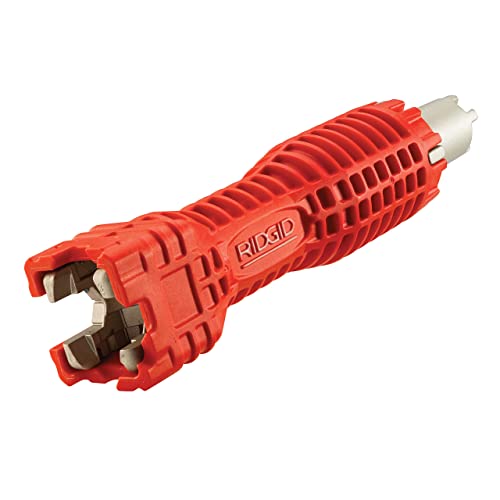


Ridgid vs Ryobi at a Glance
| Feature | Ridgid | Ryobi |
|---|---|---|
| Tool Category | Specialized mechanical plumbing hand tools | Cordless DIY power tools and accessories |
| Primary Power Source | Manual mechanical operation | 18V lithium-ion battery power |
| Core Construction Materials | High-grade steel, cast aluminum, reinforced polymer | Impact-resistant ABS plastic |
| System Compatibility | Dedicated standalone hand tools | Over 225 tools in the RYOBI 18V ONE+ System |
| Mechanical Torque or Output | 150 ft-lb rating on basin wrench | 280 lumens light output with 50-watt rating |
| Weight Range | 7.8 oz (cutter) to 16 oz (wrench) | 8.8 oz (work light) to 1.9 lb (battery kit) |
| Spare Components Included | Spare E-3469 cutter wheel | IntelliPort fast charger included in battery kit |
| Manufacturer Warranty | Lifetime warranty against material and workmanship defects | 3-year limited manufacturer warranty |
| Best For | Professional plumbers and heavy pipe installations | Homeowners, DIYers, and multi-tool workshops |
Durability and Construction Quality
Durability determines whether a tool survives accidental drops, excessive torque, and corrosive jobsite moisture or cracks under physical stress. Trade tools must endure continuous mechanical loads without bending, stripping, or warping, especially when breaking loose rusted pipe fittings or cutting through rigid metallic tubing. Hand tools and power accessories engineered with metal housings absorb heavy impacts that brittle plastics cannot withstand, directly impacting long-term reliability on demanding work sites.
The construction specifications illustrate a sharp contrast between these two manufacturers. Ridgid builds its equipment using high-grade steel and lightweight aluminum. The RIDGID 40617 Model 101 Close Quarters Tubing Cutter features a high-grade steel cutter wheel and a durable slide and wheel housing designed to slice through hard and soft copper, aluminum, brass, and plastic without flexing. Similarly, the RIDGID 57003 EZ Change Plumbing Wrench incorporates lightweight aluminum cubed and cylindrical inserts housed within a reinforced plastic body capable of supporting 150 ft-lb of mechanical torque. When evaluating milwaukee vs ridgid durability standards, Ridgid consistently relies on dense alloy castings to handle brutal jobsite environments.
Ryobi takes a different approach by focusing on lightweight ABS plastic molding tailored for domestic use. The RYOBI PCL660B ONE+ 18V Cordless LED Flash Light uses an ABS plastic cylindrical housing that keeps tool weight down to 8.8 ounces, making it highly portable. Meanwhile, the ryobi vs craftsman, Ryobi provides one of the broadest collections of residential power gear on the market. Buying into Ryobi means every bare tool you add integrates into an established charging setup.
Ridgid hand tools operate completely outside of an interconnected battery ecosystem. The 57003 faucet wrench and 40617 tubing cutter are standalone mechanical instruments that require no charging infrastructure, but they offer zero cross-compatibility with motorized equipment. While this self-contained design eliminates battery degradation, it prevents the user from building an integrated cordless workshop. Anyone asking is Ryobi worth it for home DIY will find tremendous value in Ryobi’s unified battery sharing across hundreds of compatible devices.
Edge: Ryobi wins easily due to its 18V ONE+ platform powering more than 225 cordless tools with a single interchangeable battery pack.
Plumbing and Specialized Trade Functionality
Specialized trade functionality assesses how effectively a tool executes precise, high-friction trade tasks such as under-sink repairs and pipe sizing. General-purpose tools often fail in restricted spaces where basin nuts, shut-off valves, and drain baskets sit recessed behind cabinetry and wall framing. Trade-specific geometry, dedicated socket fittings, and close-clearance cutters make the difference between a clean install and rounded metal fasteners.
When deciding between Ridgid or Ryobi for plumbing, Ridgid delivers purpose-built mechanical precision. The 57003 EZ Change wrench measures 10.5 inches with an open slot handle that slides over existing supply lines to loosen or attach nuts without disconnecting lines. Its six-sided cubed insert fits 5/8-inch, 3/4-inch, 7/8-inch, 15/16-inch, and 1-inch nuts without marring delicate chrome finishes, while the cylindrical insert features a 5/8-inch deep socket and a retainer for 3-slot and 4-slot strainer baskets. The cylindrical insert even includes a leverage hole sized for screwdrivers to crack stubborn fasteners. Paired with the 40617 tubing cutter, which measures just 3.25 by 2 by 1 inches to cut 1/4-inch to 1-1/8-inch copper, brass, and plastic in tight cavities, Ridgid proves indispensable for piping.
Ryobi does not offer dedicated plumbing hand wrenches or close-quarters copper cutters in this comparison set. Instead, Ryobi supports trade tasks through secondary utility tools like the PCL660B work light, which delivers 280 lumens and features a 130-degree pivoting head to illuminate cramped under-sink workspaces. While reliable lighting helps you locate shut-off valves, it cannot grip basin mounting nuts or trim pipe. Shoppers reading a detailed ryobi pbldd01 vs psbdd01 comparison recognize Ryobi for motorized drilling and fastening rather than specialized mechanical pipefitting.
Edge: Ridgid dominates specialized trade use with dedicated multi-nut basin sockets, supply line pass-throughs, and close-quarters copper tubing cutters.
Power Source, Runtime, and Operational Readiness
Operational readiness measures how quickly a tool can be deployed and how long it performs before requiring maintenance or recharging. In an emergency water leak or unexpected evening power outage, readiness dictates whether you can work immediately or must wait for a depleted battery pack to charge. Battery platforms introduce active motorized power and portable illumination, but they require active charging discipline.
Ryobi delivers active cordless power that automates physically exhausting jobs. The PCL660B LED light generates 280 lumens across a 500-foot beam distance and provides up to 22 hours of continuous runtime on a single charge. The PSK005 charger uses IntelliPort technology to condition battery cells, conserve energy, and bring a depleted 2.0Ah lithium-ion pack from 0 to 100 percent in under one hour. In our comprehensive Ryobi review assessments, this fast-charging turnaround ensures minimal downtime during extensive DIY painting, woodworking, or lawn maintenance projects, as seen across outdoor gear comparisons like ryobi ry404100 vs echo pb-580t.
Ridgid relies entirely on manual mechanical force. The 40617 cutter operates via a knurled feed screw knob that tightens cutting pressure manually, while the 57003 wrench uses manual lever action rated up to 150 ft-lb of torque. The significant advantage of Ridgid mechanical tools is infinite readiness: they never suffer from flat cells, cold-weather voltage sag, or charging delays. However, they provide no motorized automation or illumination. Ryobi gives users active electrical power and lighting that manual hand tools cannot deliver.
Edge: Ryobi holds the edge for active power delivery, offering cordless illumination with up to 22 hours of runtime and under-one-hour rapid charging.
Warranty Protection and Long-Term Value
Warranty policies reveal a manufacturer’s confidence in product longevity under harsh working conditions. A strong warranty protects buyers against unexpected manufacturing flaws, material fatigue, and mechanical failure over years of ownership. For professionals whose income depends on operational tools, warranty terms represent a major financial consideration.
Ridgid sets an industry standard with its comprehensive coverage. The 40617 tubing cutter is backed by the Ridgid Tool Company lifetime warranty against defects in material or workmanship for the entire life of the tool. Furthermore, the cutter includes a spare E-3469 cutter wheel stored directly in the tool housing, ensuring maximum uptime on remote jobsites. In any comprehensive Ridgid review, this lifetime protection reinforces why trade contractors trust Ridgid for mechanical equipment. Anyone evaluating whether is Ridgid worth it for daily professional plumbing will find that lifetime coverage provides peace of mind that standard warranties cannot match.
Ryobi backs its cordless gear with a 3-year limited manufacturer warranty from Techtronic Industries (TTI). Both the PCL660B LED light and the PSK005 battery and charger kit include this 3-year protection, which covers manufacturing defects but expires after 36 months of domestic use. While three years is solid for consumer cordless electronics, as discussed in our ryobi ry401110 vs kobalt 80v analysis, it falls short of Ridgid’s lifetime commitment. When comparing Ridgid warranty vs Ryobi warranty terms, Ridgid provides far superior long-term security.
Edge: Ridgid wins decisively with a lifetime warranty against defects for the life of the tool compared to Ryobi’s 3-year limited warranty.
Pros and Cons
Ridgid
Pros
- Specialized designs for plumbing and tight-space repairs
- Durable high-grade steel and aluminum construction
- Lifetime warranty against defects
- Manual operation requires no batteries or charging
Cons
- Manual operation requires physical effort
- Limited versatility outside pipe and plumbing jobs
View RIDGID 57003 EZ Change Plumbing Wrench on Amazon
Ryobi
Pros
- Interchangeable 18V battery platform powers over 225 tools
- Fast sub-one-hour battery recharge capability
- Cordless motorized convenience
- Engineered for extreme weather battery performance
Cons
- Shorter three-year limited warranty coverage
- Dependent on battery maintenance and charging cycles
- Primarily ABS plastic tool housing
View RYOBI PCL660B ONE+ 18V Cordless LED on Amazon
Who Should Buy Each One
Choose the Ridgid If

- You regularly perform under-sink plumbing repairs, faucet replacements, and basin nut installations.
- You need a dedicated close-quarters cutter that trims 1/4-inch to 1-1/8-inch copper, brass, and aluminum pipes in tight wall cavities.
- You want manual tools built from cast aluminum and high-grade steel that provide 150 ft-lb torque capacity without batteries.
- You prioritize lifetime warranty coverage against material and manufacturing defects over the life of the tool.
Choose the Ryobi If

- You want a single rechargeable 18V battery platform that powers over 225 cordless DIY tools.
- You need portable, high-output lighting with a 130-degree pivoting head and up to 22 hours of runtime.
- You prefer lithium-ion battery packs with integrated LED fuel gauges and fast charging in under one hour.
- You focus on general home maintenance, carpentry, and electrical tasks rather than heavy commercial pipefitting.
Final Verdict
For most homeowners and weekend hobbyists looking to build a versatile repair kit, Ryobi is the better overall investment. The RYOBI 18V ONE+ system delivers extraordinary value by allowing one 2.0Ah lithium-ion battery and IntelliPort fast charger to power hundreds of tools, from portable 280-lumen work lights to drills, saws, and yard equipment. Ryobi provides the cordless freedom, electronic automation, and rapid turnaround necessary to tackle diverse home improvement projects without buying separate power sources for each task.
However, when the job demands specialized pipefitting, high mechanical torque, or plumbing in restricted cabinets, Ridgid takes the win. With high-grade steel cutters, cast aluminum wrench inserts capable of handling 150 ft-lb of torque, and an unbeatable lifetime warranty against material defects, Ridgid tools are built to survive punishing jobsite abuse that would destroy standard consumer equipment. If your priority is dedicated mechanical trade strength that never relies on battery charging, choose Ridgid.
FAQ
Is Ridgid or Ryobi better for plumbing?
Ridgid is significantly better for plumbing tasks because it designs specialized mechanical tools tailored for pipefitting. The Ridgid 57003 wrench features multi-tab socket inserts, supply line pass-throughs, and 150 ft-lb torque resistance specifically for under-sink fixtures, while the 40617 cutter cuts copper and brass in cramped spaces where standard tools cannot fit.
How does the Ridgid warranty compare to the Ryobi warranty?
The Ridgid warranty covers products with a lifetime warranty against defects in material or workmanship for the entire life of the tool. In contrast, Ryobi products such as the PCL660B light and PSK005 battery kit carry a 3-year limited manufacturer warranty from Techtronic Industries.
Can Ryobi ONE+ batteries work on Ridgid power tools?
No, Ryobi 18V ONE+ batteries cannot be used interchangeably with Ridgid tools. The RYOBI ONE+ connector and battery housing are proprietary to the Ryobi 18V system and do not share mechanical or electrical connections with Ridgid equipment.
Is Ryobi worth it for home DIY projects?
Yes, Ryobi is highly practical for home DIY because its 18V ONE+ battery platform supports over 225 different tools. Homeowners can use the same 2.0Ah battery pack with fast sub-one-hour charging across work lights, drill drivers, sanders, and outdoor lawn gear.
What metals can the Ridgid 40617 tubing cutter slice through?
According to its technical specifications, the Ridgid 40617 Model 101 Close Quarters Tubing Cutter is designed to cut hard and soft copper, aluminum, brass, and plastic tubing with an outer diameter ranging from 1/4 inch to 1-1/8 inches.
Does the Ryobi 2.0Ah battery include a charge indicator?
Yes, the Ryobi 18V 2.0Ah lithium-ion battery in the PSK005 kit features an integrated LED fuel gauge directly on the battery housing, allowing users to verify charge levels before starting a project.


