The decisive factor that separates a battery lawn mower from a gas lawn mower is the balance between low-maintenance operating convenience and uninterrupted runtime. Battery-powered platforms eliminate fuel stabilization, oil changes, engine filters, and pull cords in exchange for quiet, push-button operation, but their cutting endurance is strictly governed by battery amp-hour capacity. Conversely, conventional gas mowers rely on small internal combustion engines that require routine mechanical upkeep and fresh fuel handling, but they deliver continuous cutting power and instant refueling for dense overgrowth and larger acreage.
Homeowners managing typical suburban lots up to half an acre should choose a battery lawn mower to enjoy effortless push-button starts and zero engine maintenance, while operators maintaining larger properties, steep terrain, or tough, overgrown turf should select a gas lawn mower for continuous cutting power and self-propelled endurance.
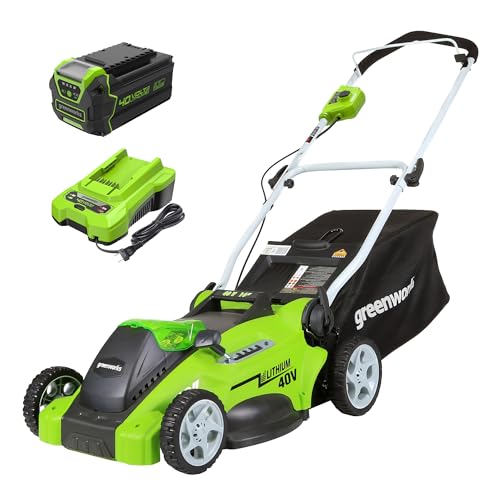

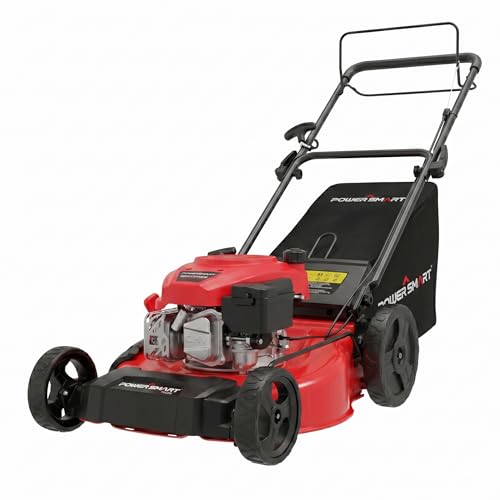

Battery Lawn Mower vs Gas Lawn Mower at a Glance
| Feature | Battery Lawn Mower | Gas Lawn Mower |
|---|---|---|
| Power Source | 40V or 60V Lithium-Ion Battery | 144cc or 170cc 4-Cycle OHV Gas Engine |
| Cutting Width | 15.67 to 20.28 inches | 18 to 21 inches |
| Starting System | Push-button electric start | Recoil pull cord with auto choke or primer |
| Deck Construction | Lightweight plastic or alloy steel | Heavy-duty alloy steel |
| Discharge Capabilities | 2-in-1 (mulch, bag) or 4-in-1 (mulch, bag, side, turbo) | Side-discharge or 3-in-1 (mulch, bag, rear discharge) |
| Height Adjustment | 5 to 7 positions (up to 3.75 inches) | 5 to 6 positions (1.5 to 3.9 inches) |
| Runtime and Coverage | 35 to 60 minutes (1/3 to 1/2 acre per charge) | Continuous operation with refueling (tank capacity not listed) |
| Drive Mechanism | Manual push operation | Manual push or self-propelled rear-wheel drive |
| Tool Weight | 37.5 to 59.5 pounds | 58.4 pounds (21-inch weight not listed) |
| Manufacturer Warranty | 3-year to 4-year limited tool and battery warranty | 2-year limited warranty (21-inch warranty not listed) |
| Best For | Suburban yards and low-maintenance convenience | Larger acreage, sloped terrain, and tough grass |
Starting Reliability and Ease of Operation
Starting an outdoor power tool sets the tone for the entire yard work session. When comparing a Greenworks 40V 16-Inch Push Lawn Mower to traditional combustion units, the operational difference is immediate. Cordless battery mowers utilize a clean, electronic switch interface: you insert a charged lithium-ion pack, engage the handle bail, and depress a push button. The electric motor delivers instant rotational torque to the cutting blade without requiring choke adjustments, fuel priming, or repeated pull-cord efforts. This push-button reliability remains constant whether the tool has been sitting in a shed for two days or six months, bypassing the carburetor gumming and fuel contamination issues that often plague small engines after seasonal storage.
In contrast, operating a gas unit such as the PowerSmart EasyCut 18-Inch Gas Lawn Mower involves a manual starting routine built around a 144cc 4-cycle OHV engine. PowerSmart equips this mower with an auto-choke mechanism and a primer structure engineered to streamline cold starts, but starting still requires a physical pull of the recoil cord. While modern overhead-valve engines start significantly smoother than older two-stroke designs, they remain vulnerable to stale gasoline, fouled spark plugs, and fluctuating ambient temperatures. Pulling a recoil cord repeatedly on a hot summer afternoon demands physical exertion that can frustrate homeowners seeking simple, turnkey tool operation. Exploring dedicated tool ecosystem comparisons like our ego vs greenworks breakdown illustrates how standardizing on battery platforms has reshaped consumer expectations around tool startup ease.
The everyday operational ease of the cordless format extends beyond starting mechanics. Battery mowers run without producing direct exhaust fumes, sparing the operator from inhaling carbon monoxide, unburned hydrocarbons, and pungent oil odors while walking behind the deck. Furthermore, electric motors run drastically quieter than internal combustion engines, emitting primarily wind noise from blade rotation. This acoustic advantage allows homeowners in tightly clustered suburban neighborhoods to mow early in the morning or later in the evening without generating noise disturbances. The gas-powered engine, while mechanically robust, produces high decibel levels and constant exhaust emissions that necessitate ear protection and outdoor ventilation.
Edge: Battery lawn mower, because instant push-button starting and zero exhaust emissions provide an effortless, user-friendly mowing experience.
Runtime and Yard Coverage Capacity
When evaluating a gas vs battery lawn mower for larger properties, cutting endurance represents the starkest mechanical contrast. A cordless platform is fundamentally tethered to battery cell capacity. For instance, the entry-level Greenworks 40V push mower incorporates a 4.0Ah battery that provides an average run life of approximately 35 minutes, covering up to one-third of an acre under moderate grass conditions. Upgrading to a heavier system like the Greenworks Pro 60V 21-Inch Push Lawn Mower steps performance up to a 5.0Ah pack capable of delivering up to 60 minutes of runtime or roughly half an acre of coverage. While rapid chargers can restore a 60V battery in 50 minutes, unexpected battery exhaustion halts work entirely unless the operator has purchased supplementary batteries.
Gas-powered mowers establish clear superiority when addressing total runtime and property size. A unit like the PowerSmart 21-Inch Self-Propelled Gas Lawn Mower, powered by a 170cc OHV engine, offers virtually continuous cutting performance. When the fuel tank runs dry, refueling takes less than two minutes at the edge of the lawn, instantly restoring full operational readiness without waiting for a charging cycle. Although the listing does not specify the exact fuel tank volume, a standard 4-stroke engine reservoir typically powers through medium to large yards without interruption. For sprawling rural properties or deep suburban lots, continuous runtime removes the logistical anxiety of calculating remaining battery percentages before completing a cut.
Determining whether a battery or gas mower for large yard maintenance suits your layout depends heavily on total acreage and the density of the turf. Thick, damp, or overgrown grass draws increased amperage from an electric motor, activating higher torque modes that deplete lithium-ion cells faster than their stated averages. While battery platforms are steadily closing the gap with dual-port configurations and higher voltage platforms, as examined in our ego lm2135sp vs kobalt 80v analysis, gas power remains the default operational choice for uninterrupted, all-day mowing sessions across expansive properties.
Edge: Gas lawn mower, because pouring liquid fuel delivers immediate, continuous runtime that eliminates multi-hour battery recharging intervals.
Maintenance Requirements and Ongoing Upkeep
The operational duties associated with battery vs gas mower maintenance highlight entirely different ownership experiences. A gas mower is an intricate mechanical assembly housing a small engine that requires structured seasonal service. The PowerSmart 144cc and 170cc engines require crankcase motor oil, periodic oil filter or screen checks, regular spark plug cleaning or replacement, and air filter maintenance to prevent particulate damage. Furthermore, gas engines are susceptible to ethanol fuel degradation; leaving untreated fuel inside the carburetor over the winter months leads to varnish accumulation, clogged jets, and expensive spring tune-ups. Owners must store dedicated gas cans, purchase fuel stabilizers, and safely dispose of drained engine oil.
Battery lawn mowers replace this mechanical upkeep routine with solid-state electric simplicity. A cordless electric vs gas mower comparison shows that battery models contain no engine oil, no spark plugs, no air filters, and no carburetors. Preparing a battery mower for winter storage involves nothing more than cleaning grass clippings from the underside of the deck, sharpening or replacing the steel cutting blade, and storing the lithium-ion battery in a climate-controlled environment between 30 and 80 percent charge. This absence of routine maintenance appeals strongly to homeowners who prefer spending their weekend time mowing rather than diagnosing small-engine mechanical failures or cleaning oil spills off the garage floor.
Warranty coverage and structural protections also reflect these divergent engineering philosophies. Greenworks protects its 40V platform with a 3-year limited tool and battery warranty, while the 60V model carries a comprehensive 4-year limited warranty across both the tool chassis and the 5.0Ah battery pack. The Greenworks 60V model also incorporates an IPX4 waterproof rating, allowing it to withstand wet grass and sudden rain showers without damaging internal electronics. By contrast, the PowerSmart EasyCut 18-inch gas model includes a 2-year limited warranty (the listing does not specify warranty length for the 21-inch model). When evaluating is a battery lawn mower worth it over several seasons, the savings in maintenance fluids, tune-up kits, and extended warranty support make a compelling case for cordless longevity.
Edge: Battery lawn mower, because the complete absence of oil, filters, spark plugs, and fuel stabilizer eliminates seasonal mechanical upkeep.
Cutting Power, Deck Design, and Grass Management
Delivering an even, manicured cut through diverse turf conditions requires a combination of blade tip speed, deck airflow, and sustained rotational torque. Historically, gas engines dominated heavy cutting applications because small displacement combustion chambers maintain consistent power under heavy grass loads. The PowerSmart 21-inch mower utilizes a robust 170cc OHV engine that produces substantial torque to slice through tall, coarse weeds and wet spring grass without bogging down. Its heavy alloy steel deck creates an aerodynamic vortex that lifts grass blades vertically before cutting, channeling clippings efficiently into its 1.4-bushel collection bag, out through the rear discharge chute, or re-circulating them underneath the deck for fine mulching.
Modern battery lawn mower review metrics reveal that advanced cordless platforms now rival mid-sized gas engines in standard mowing tasks. The Greenworks Pro 60V mower generates a 3200 RPM blade speed that matches the cutting performance of a 150cc gas engine, delivering 50 percent more torque than typical 40V entry-level mowers. It incorporates SmartCut self-adjusting dual blades that automatically ramp up motor power upon sensing thick, dense grass, preventing stalling while optimizing battery consumption. Furthermore, the 60V model offers 4-in-1 versatility, accommodating bagging, mulching, side discharge, and a specialized turbo leaf pickup mode across a 20.28-inch cutting width. However, smaller battery models like the 40V Greenworks feature a more restricted 15.67-inch cut with 2-in-1 capabilities (mulch and rear bag only), which can struggle when pushed through severely overgrown turf.
When tackling neglected overgrown vegetation or wet, heavy lawns, a gas engine still maintains an edge in sustained brute force. While battery motors can match gas blade speeds under controlled conditions, sustained high-load cutting drains battery amp-hours at an accelerated rate and can trigger thermal overload protection circuits. The PowerSmart EasyCut 18-inch mower, while offering only side discharge and no bagging functionality, powers through thick patches reliably thanks to its dedicated 144cc 4-cycle displacement. For homeowners dealing with heavy debris or utility yard maintenance, similar to the power differentials explored in our stihl fsa 57 vs husqvarna 128ld trimmer evaluation, combustion power continues to provide the highest baseline resistance to motor bogging.
Edge: Gas lawn mower, because internal combustion engines sustain high cutting torque through thick, wet, and overgrown grass without thermal throttling.
Weight, Maneuverability, and Drive Systems
Navigating a lawn mower around garden borders, fence lines, and sloped terrain requires evaluating the physical chassis, wheel dimensions, and propulsion mechanics. This gas vs electric push mower dynamic showcases significant differences in overall tool weight. The Greenworks 40V cordless mower weighs just 37.5 pounds, making it approximately 35 percent lighter than conventional steel deck machines. Its lightweight composite construction allows operators to lift, push, and pivot the machine effortlessly around tight flowerbeds and landscaping features. Even the larger Greenworks 60V model, which incorporates a heavy-duty steel deck for enhanced durability, weighs a manageable 59.5 pounds and glides over uneven turf using oversized 10-inch rear wheels and 8-inch front tires.
Gas mowers face a natural weight disadvantage due to the mass of cast-iron engine blocks, fuel reservoirs, and heavy steel stamping. The compact PowerSmart 18-inch push mower weighs 58.4 pounds despite having a smaller cutting path, utilizing 8-inch rear and 7-inch front wheels. Maneuvering a manual gas push mower up steep inclines or across multi-tiered lawns demands substantial physical labor. For an in-depth look at managing yard tool weights and balance across varying property layouts, see our analysis of handheld garden gear in the ego st1623t vs echo srm-225 review.
However, gas mowers counterbalance their heavier construction by offering mechanical drive options that alleviate physical strain. The PowerSmart 21-inch gas mower features a self-propelled rear-wheel drive system paired with large 10-inch rear wheels. Rather than relying purely on operator muscle, the 170cc engine powers the drive wheels, providing strong traction on slippery slopes and rough terrain. While both Greenworks battery models featured here are manual push-only units, the PowerSmart self-propelled drive pulls its own weight across large open stretches. Operators managing flat, obstacle-dense yards will favor the lightweight agility of cordless push mowers, whereas homeowners managing rolling hills and large acreage will benefit from a self-propelled gas transmission.
Edge: Tie. The battery mower wins on featherweight manual agility, but the gas mower balances its heavier chassis with self-propelled rear-wheel drive assistance.
Pros and Cons
Battery Lawn Mower

Pros
- Zero engine oil or spark plug maintenance
- Instant push-button electric starting
- Quiet operation with zero exhaust fumes
- Lightweight design starting at 37.5 pounds
- Interchangeable battery powers multiple yard tools
Cons
- Runtime limited to 35 to 60 minutes per charge
- Manual push operation on featured models
- Higher battery drain in dense wet grass
View Greenworks 40V 16in Push Lawn Mower on Amazon
Gas Lawn Mower

Pros
- Continuous mowing with immediate fuel refills
- Available self-propelled rear-wheel drive for slopes
- Strong 144cc to 170cc OHV cutting torque
- Heavy-duty alloy steel deck construction
Cons
- Requires engine oil, filters, and fuel stabilizer
- Manual recoil pull-cord starting effort
- Heavier weight and loud exhaust emissions
View PowerSmart 21″ Self-Propelled Gas Lawn Mower on Amazon
Who Should Buy Each One
Choose the Battery Lawn Mower If
- You manage a typical suburban property up to half an acre and value quiet, neighborhood-friendly operation.
- You want complete freedom from routine engine maintenance, avoiding motor oil, spark plugs, and fuel stabilizers.
- You prefer lightweight, agile maneuvering around garden beds, fences, and multi-level landscapes.
- You already own or plan to invest in compatible cordless outdoor power tools within the Greenworks 40V or 60V ecosystems.
Choose the Gas Lawn Mower If
- You maintain large grounds, acreage, or properties where battery recharging intervals would disrupt your workflow.
- You regularly encounter dense, overgrown, or wet grass that requires sustained internal combustion cutting torque.
- You have sloped or hilly terrain that demands the climbing assistance of a self-propelled rear-wheel drive system.
- You want the simplicity of instant refueling from a fuel can without tracking battery recharge cycles.
Final Verdict
For the majority of modern suburban homeowners, the battery lawn mower is the superior practical investment. As demonstrated by the Greenworks 40V and 60V platforms, cordless technology has matured to match the functional cutting speeds of 150cc gas engines while eliminating the single biggest drawback of lawn equipment ownership: engine maintenance. The ability to pull a mower out of storage, press a button, and cut up to half an acre without checking oil, inhaling exhaust fumes, or pulling a recoil cord transforms mowing from a mechanical chore into a simple task. For yards within the runtime parameters of a single or dual battery charge, cordless convenience outweighs any lingering advantages of small combustion engines.
Nevertheless, a gas lawn mower review confirms that internal combustion power remains indispensable for demanding environments. When managing sprawling acreage, heavy seasonal overgrowth, or steep inclines that necessitate self-propelled drive systems like that on the PowerSmart 21-inch mower, gas equipment delivers unmatched endurance. Pouring fresh fuel provides instantaneous runtime recovery, and an OHV engine will muscle through thick stalks without triggering electronic thermal safety shutoffs. If your property demands raw stamina and independent mechanical propulsion over whisper-quiet operation, the gas mower remains the ultimate workhorse for rugged landscape maintenance. Similar mechanical endurance considerations apply when choosing other groundskeeping equipment, as detailed in our stihl bga 57 vs echo pb-580t leaf blower comparison.
FAQ
How long do cordless lawn mower batteries last before needing replacement?
Modern lithium-ion batteries typically provide several years of dependable service when stored and charged correctly. Greenworks backs its 40V batteries with a 3-year warranty and its 60V packs with a 4-year warranty. To maximize lifespan, store batteries indoors in a temperature-controlled space and avoid leaving them in an uncharged state for extended periods during the winter off-season.
Can a battery lawn mower cut tall and wet grass effectively?
While basic battery mowers can bog down in heavy turf, advanced models with higher voltage and smart electronics handle tough conditions well. The Greenworks 60V mower features an IPX4 water-resistant rating, a steel deck, and SmartCut self-adjusting dual blades that automatically increase motor RPM when encountering tall or damp grass. However, severely overgrown or wet turf will drain battery runtime faster than dry, well-maintained lawns.
What regular maintenance does a gas lawn mower require each season?
A gas mower powered by a 4-cycle OHV engine requires routine maintenance including checking and changing engine oil, replacing or cleaning the paper air filter, inspecting the spark plug for carbon buildup, and sharpening the cutting blade. Operators must also treat fuel with a stabilizer to prevent ethanol separation or drain the fuel system entirely before winter storage to protect the carburetor.
Can I use the same battery for other outdoor power equipment?
Yes, battery platforms are designed as integrated ecosystems. A Greenworks 40V battery works across more than 75 different 40V tools, including string trimmers, leaf blowers, hedge trimmers, and chainsaws. Similarly, the Greenworks 60V battery pack functions interchangeably across the brand’s line of heavy-duty 60V power equipment.
Do gas lawn mowers have more cutting power than battery mowers?
Traditionally gas engines held a significant power lead, but modern high-voltage cordless mowers have largely closed the performance gap. The Greenworks 60V mower produces a 3200 RPM blade speed that matches the performance of a 150cc gas engine. However, larger gas engines, like the 170cc OHV engine on the PowerSmart 21-inch mower, still maintain higher continuous rotational torque when slicing through extremely thick, dense brush.
Is a battery lawn mower worth the switch if I currently own a working gas mower?
Switching to a cordless battery mower is worth considering if you are tired of pull cords, regular engine maintenance, storing gasoline in your garage, and loud operating noise. If your current gas mower functions well and you have a large property requiring more than an hour of continuous cutting time, keeping your gas machine remains a practical choice until you are ready to invest in a multi-battery cordless system.
Finding the right balance between battery runtime and property size ultimately determines whether switching away from gas makes sense for your yard. Reviewing tested Cordless Mower Picks makes it easier to match specific voltage platforms and cutting widths to your lawn dimensions. Keeping a spare battery on hand will further eliminate runtime limitations without the mess of fuel maintenance.


