The single operational difference that decides the choice between the Toro Recycler 21 and the Troy-Bilt TB130 comes down to deck aerodynamics: Toro engineers its system exclusively around fine-particle recirculation for manicured turf mulching, whereas Troy-Bilt uses a high-lift 3-in-1 airflow design configured to clear wet clippings, collect dense debris, and eject tall growth through side discharge.
Homeowners who maintain a strict mowing schedule and want invisible clippings that fertilize pristine turf should select the Toro Recycler 21. Property owners dealing with damp grass, uneven mowing intervals, heavy weed patches, or fallen leaves should pick the Troy-Bilt TB130.
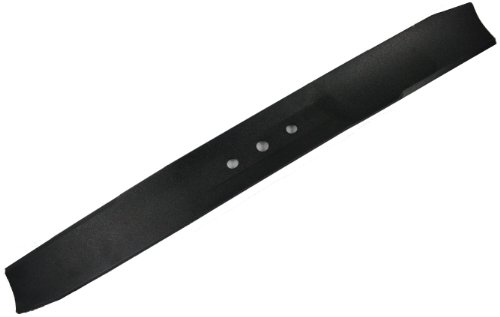

Toro Recycler 21 vs Troy-Bilt TB130 at a Glance
| Feature | Toro Recycler 21 | Troy-Bilt TB130 |
|---|---|---|
| Primary Discharge Function | Super Recycler Mulching | 3-in-1 (Mulch, Bag, Side Discharge) |
| Compatible Deck Diameter | 21 inches | 21 inches |
| Cutting Blade Length | 21.64 inches | 20 7/8 inches (531.5 mm) |
| Blade Width | 2.26 inches | 2 1/4 inches (57 mm) |
| Blade Steel Thickness | Not listed | 9/64 inches (3.4 mm) |
| Material Composition | OEM Toro Steel Alloy | Heavy-Duty 40MnB Alloy Steel |
| Blade Lift Height | Recirculating Mulch Contour | 1-1/8 inch (28 mm) High Lift |
| Mounting Hole Pattern | Round Center Hole Pattern | Bow Tie Center Hole |
| Component Weight | 1.84 pounds | 1.8 pounds |
| Best For | Clean mulching on manicured lawns | Versatile bagging, discharge, and clearing rough turf |
Cutting Deck Versatility and Discharge Modes
Lawn mower deck usability depends heavily on how efficiently the cutting chamber redirects severed grass. When evaluating the Troy-Bilt TB130 vs Toro Recycler 21, the immediate operational divergence is how the deck manages cut material. The TB130 platform centers on complete 3-in-1 versatility. It is engineered to swap effortlessly between mulching, high-capacity bagging, and lateral side discharging. When navigating tall or unruly turf where internal deck clogging poses a risk, opening the side discharge chute on the TB130 diverts clippings outward immediately, relieving motor strain and preventing deck accumulation.
By contrast, the Toro Recycler 21 operates with a dedicated recirculation chamber designed specifically to hold grass inside the cutting zone. The Super Recycler concept minimizes external discharge in favor of repeatedly processing clippings against the blade edge. While this yields immaculate results on well-tended lawns, it restricts the machine when facing knee-high overgrowth or wet spring grass that simply cannot be mulched without stalling. Readers comparing multi-mode alternatives like the craftsman m220 vs troy-bilt tb130 will notice that having three mechanical discharge avenues provides practical security when weather disrupts routine mowing schedules.
Choosing the Troy-Bilt TB130 3-in-1 capability gives you the tactical freedom to bag fallen leaves in autumn, side-discharge thick field grasses in spring, and mulch dry turf during midsummer heat. The Recycler platform assumes you will maintain regular mowing cadences where mulching remains the sole disposal route. The listing does not specify secondary discharge attachments for the Toro blade assembly, confirming its hyper-focus as an internal cutting device.
Edge: Troy-Bilt TB130 provides dedicated 3-in-1 functionality that allows homeowners to easily switch between mulching, bagging, and side discharge across varying turf conditions.
Mulching Performance and Grass Recirculation
Mulching efficiency relies on the internal geometry of the blade and cutting chamber to suspend grass clippings until they are sliced into microscopic particles. In any detailed Toro Recycler 21 review, the primary praise centers on this exact process. The genuine Toro 108-3762-03 blade measures 21.64 inches in length and 2.26 inches in width, spanning nearly the entire interior diameter of the 21-inch cutting deck. This tighter clearance produces intense rotational airflow that traps cut grass beneath the deck dome, repeatedly introducing the grass to the cutting edge until clippings are small enough to settle invisibly near the root zone.
When deciding between the Toro Recycler 21 or Troy-Bilt TB130 for mulching, the physical properties of the blade define your lawn finish. The TB130 uses a Grasscool 942-0741A mulching blade measuring 20 7/8 inches long and 2 1/4 inches wide. While this blade chops grass effectively using its sharp profile, its 1-1/8-inch high-lift curved trailing edge is shaped to push air upward toward a collection chute rather than keeping clippings suspended in a tight downward vortex. Comparing these platforms against other mulching setups, such as in the toro super recycler vs troy-bilt tb130 matchup, illustrates that specialized mulching chambers produce far less surface clumping on manicured sod.
The Toro Recycler 21 cut quality remains the benchmark for residential turf aesthetics. Because the blade cuts clippings into finer fragments, the organic matter filters straight to the soil surface to decompose quickly, acting as a natural nitrogen source without suffocating living grass. The TB130 leaves slightly coarser clippings that can sit on top of dense turf varieties if cut during heavy growth cycles.
Edge: Toro Recycler 21 delivers superior mulching execution, reducing clippings into micro-particles that settle cleanly into the turf canopy without clumping.
Airflow Dynamics and Bagging Efficiency
Bagging requires an entirely different aerodynamic approach than mulching. A mower must generate immense volumetric airflow beneath the deck to pull upright limp grass blades, sever them cleanly, and launch the dense organic debris upward into a rear collection bag. Here, the Troy-Bilt TB130 high lift blade demonstrates clear physical superiority. Featuring an aggressive 1-1/8-inch (28 mm) lift wing along its trailing edge, the 942-0741A blade functions like a centrifugal fan, generating substantial vacuum that pulls clippings, leaf matter, and small twigs directly off the soil.
This powerful vacuum helps homeowners asking is Troy-Bilt TB130 worth it when tackling damp or dewy grass. The listing explicitly confirms that this high-lift blade prevents chute clogging in wet conditions and helps clean weedy lawns by lifting and removing stubborn weed seed heads before they scatter. In comparison, Toro Recycler 21 bagging performance is intentionally subdued. Because the Toro blade uses a flatter, recirculating profile to keep air rotating horizontally inside the chamber, it creates less vertical lift to push damp, heavy clippings into a rear bag, increasing the risk of collection neck blockages.
For yard maintenance tasks that involve clearing thick autumn oak leaves or cleaning thatch from lawn beds, strong airflow is essential. As shown in evaluations like the honda hrn216vka vs troy-bilt tb130 breakdown, mowers with specialized high-lift trailing wings load rear collection bags much tighter, reducing the number of stops required to empty loose, uncompacted clippings. The TB130 excels at keeping the deck clear and filling collection bags to maximum density.
Edge: Troy-Bilt TB130 wins decisively in bagging performance due to its 1-1/8-inch high-lift aerodynamic wings that generate powerful vacuum suction.
Blade Metallurgy and Heavy Debris Handling
The durability of a cutting deck system depends on the metallurgy of its rotating components. The Troy-Bilt TB130 blade is manufactured from heavy-duty 40MnB steel, a boron-manganese alloy engineered for exceptional tensile strength, impact toughness, and wear resistance. With a measured thickness of 9/64 inches (3.4 mm) and a bare weight of 1.8 pounds, this blade is built to withstand hidden yard hazards like small tree roots, pine cones, and gravel without warping or suffering deep edge fractures.
The listing for the TB130 blade also highlights that its cutting edges are painted from the factory to prevent surface rust during storage and handling, a protective layer that wears off naturally during first use. In a practical Troy-Bilt TB130 review, this rugged steel construction ensures that the blade maintains its balance even when mowing untamed, debris-strewn ground. In contrast, the Toro Recycler 21 blade listing specifies OEM part numbers 108-3762-03 and 133-8183-03 with an overall weight of 1.84 pounds, but does not specify the precise steel alloy grade or deck plate thickness.
When running a mower across varied terrain, encountering hard debris is inevitable. The structural properties of boron-alloyed steel provide the TB130 with high resilience against edge rolling. Similar resilience patterns appear when comparing alternative platforms like the honda hrn216vka vs toro recycler 21, where commercial-grade cutting edges preserve blade balance across multiple seasons. Toro builds a reliable factory blade, but the explicitly documented 40MnB steel specification gives Troy-Bilt users verified durability in rough mowing environments.
Edge: Troy-Bilt TB130 takes the edge due to verified 40MnB boron-manganese alloy construction that resists impact deformation in rough conditions.
Mounting Pattern and Deck Fitment
A cutting blade must match the mower spindle geometry perfectly to avoid hazardous shaft vibrations. The Toro Recycler 21 blade replacement profile requires a precise OEM fitment, specifically matching Toro walk-behind models such as 20384, 21381, and 22298. Toro uses a traditional round center hole pattern flanked by dual alignment locator holes. Its 21.64-inch tip-to-tip span is tailored specifically to the internal circumference of Toro Super Recycler cast aluminum and steel decks, leaving minimum clearance along the outer deck lip.
The Troy-Bilt TB130 blade uses an entirely distinct bow tie center hole shape. This bow tie interface locks directly onto the splined spindle shafts shared across MTD, Troy-Bilt, Craftsman, and Cub Cadet walk-behind platforms produced from 1995 to the present. The blade measures 20 7/8 inches (531.5 mm) in length, allowing safe clearance within stamped 21-inch MTD decks. Because the center mount shapes are completely incompatible, a Toro blade cannot physically bolt onto a TB130 spindle, nor can an MTD bow tie blade be mounted to a Toro spindle.
When shopping for replacement cutting components, matching the exact spindle shape is mandatory. As discussed in guides like the toro recycler 21 vs craftsman m220 comparison, using an incorrect center mount can cause severe spindle damage or blade detachment. Both the Toro round mount and the Troy-Bilt bow tie mount provide positive, slip-free drive engagement when paired with their designated brand platforms, ensuring zero blade wobble during operation.
Edge: Tie, as both manufacturers utilize proprietary, secure center mounting shapes engineered specifically to eliminate slip and vibration on their respective shafts.
Maintenance, Sharpening, and Replacement Lifespan
Maintaining cutting edges is critical for lawn health because dull blades tear grass blades rather than slicing them, causing brown, frayed tips that invite lawn disease. The Toro Recycler 21 blade utilizes a balanced, streamlined cutting edge optimized for easy home maintenance. Because the blade profile lacks excessive vertical curvature, sharpening the cutting bevel with a standard hand file or bench grinder is straightforward, allowing owners to maintain razor-sharp performance across years of residential mowing.
The Troy-Bilt TB130 blade features a more complex curved profile due to its 1-1/8-inch high-lift rear sail. While the factory edge arrives coated in protective paint, the listing notes that for regular manicured lawns, owners should sharpen the edge before intensive use to establish an optimal bevel. Sharpening a high-lift blade requires following the contour of both the cutting edge and the upward lift wing, demanding greater precision during maintenance to prevent uneven weight distribution that can cause spindle vibration.
In terms of component lifespan, the Toro Recycler system benefits from operating in clean, manicured grass environments where abrasive dirt and gravel are rare. However, the TB130 blade has the advantage of 40MnB steel, which retains its edge longer when mowing dry, sandy soils or overgrown weed patches. Both blades offer straightforward bolt-on replacement, but the flat, balanced geometry of the Toro blade makes routine garage sharpening faster for the typical homeowner.
Edge: Toro Recycler 21 provides a simpler blade geometry that is easier to sharpen and balance with standard homeowner tools.
Pros and Cons
Toro Recycler 21

Pros
- Super Recycler fine mulching chamber
- Extended 21.64-inch cutting blade length
- OEM factory balance prevents deck vibration
- Superior cut quality on manicured turf
Cons
- Lacks aggressive high-lift bagging suction
- Prone to clogging in wet or dewy conditions
- Listing does not specify steel alloy grade
View Toro Recycler 21 on Amazon
Troy-Bilt TB130

Pros
- Versatile 3-in-1 mulching, bagging, and side discharge
- High-lift 1-1/8-inch blade clears wet grass
- Heavy-duty 40MnB boron-manganese steel
- Bow tie center mount fits multiple MTD platforms
Cons
- Mulched clippings are coarser than Toro output
- Slightly shorter 20-7/8-inch blade span
- Requires sharpening through factory protective paint
View Troy-Bilt TB130 on Amazon
Who Should Buy Each One
Choose the Toro Recycler 21 If
- You want pristine, manicured turf with virtually invisible mulched clippings that feed the soil naturally.
- You cut your lawn on a consistent weekly schedule and rarely deal with severely overgrown or soaking wet grass.
- You own a Toro walk-behind mower such as models 20384, 21381, or 22298 that uses the round-hole OEM blade pattern.
- You prefer a simple, flat blade profile that can be easily sharpened and balanced on a home bench grinder.
Choose the Troy-Bilt TB130 If
- You need the versatility of 3-in-1 capability to bag heavy debris, side-discharge tall growth, or mulch standard turf.
- You frequently mow damp lawns, morning dew, or weed-dense areas that cause traditional mulching decks to clog.
- Your property features uneven ground, twigs, and hidden yard debris requiring the impact resistance of 40MnB alloy steel.
- You operate an MTD or Troy-Bilt mower platform built with a standard bow tie spindle drive mechanism.
Final Verdict
For standard suburban properties with established turfgrass and regular mowing routines, the Toro Recycler 21 is the superior cutting platform. Its 21.64-inch blade geometry and dedicated Super Recycler airflow chamber chop clippings into tiny fragments that disappear directly into the lawn canopy. This clean recirculation eliminates the need to bag clippings, avoids surface clumping, and provides continuous natural fertilization for a lush, manicured yard appearance.
However, the Troy-Bilt TB130 emerges as the clear winner when dealing with unpredictable weather, overgrown grass, or mixed yard cleanup. Its heavy-duty 40MnB steel blade, aggressive 1-1/8-inch high-lift aerodynamic wings, and true 3-in-1 discharge versatility allow it to power through wet grass, collect autumn leaves, and clear weed patches without stalling or clogging the deck. When raw suction and multi-mode versatility take precedence over fine mulching, the TB130 is the more capable tool.
FAQ
Can I mount the Toro Recycler 21 blade onto a Troy-Bilt TB130 deck?
No, the two blades are completely incompatible due to different center mount geometries. The Toro Recycler 21 blade uses a round center hole designed for Toro walk-behind shafts, while the Troy-Bilt TB130 requires a bow tie center hole pattern matching MTD-engineered spindle drives.
Does the Troy-Bilt TB130 blade come sharpened from the factory?
The Troy-Bilt TB130 blade comes with a factory edge covered by a protective layer of paint that prevents corrosion during transit and storage. While it can be installed immediately, the listing recommends giving the cutting edge a quick sharpening touch-up for the cleanest cut on standard turf.
Why does the Toro Recycler 21 have a longer blade than the TB130?
The Toro blade measures 21.64 inches, engineered to fit tightly against the inner walls of Toro 21-inch decks to maximize air velocity and keep clippings recirculating. The TB130 uses a 20 7/8-inch blade to leave safe clearance within stamped 21-inch MTD deck housings while allowing unobstructed airflow for bagging and side discharging.
How does the Troy-Bilt TB130 high-lift blade handle wet grass?
The TB130 blade incorporates 1-1/8-inch high-lift wings along its rear trailing edges. These curved metal tabs act like fan blades, creating strong upward suction that pulls wet, heavy grass off the ground and forces it through the discharge chute before moisture can cause deck clogging.
What does the part number supersession mean for the Toro Recycler 21 blade?
The Toro product listing notes that OEM part number 108-3762-03 supersedes to 133-8183-03. This means Toro updated the official factory part number for the Super Recycler blade, but both numbers designate the exact same genuine replacement blade engineered for Toro walk-behind mowers.
Which platform is better for clearing fallen leaves in the autumn?
The Troy-Bilt TB130 is significantly better for autumn leaf cleanup. Its high-lift blade design produces the vacuum lift necessary to pull leaves from the turf and pack them tightly into a rear bag, whereas the Toro Recycler is designed primarily to shred leaves into the turf rather than collecting them.


