The choice between raw dog food and dry kibble centers on a fundamental difference in processing: raw feeding utilizes unheated, freeze-dried organ and muscle meats that preserve delicate enzymes and amino acids, while kibble uses high-heat extrusion to form shelf-stable, fiber-balanced biscuits designed for quick serving.
Choose raw dog food if your priority is feeding an ancestral, whole-prey diet with maximum palatability for sensitive or finicky eaters. Choose kibble dog food if you want an effortless, all-in-one routine backed by balanced dietary fiber and easy pantry storage.


raw dog food vs kibble dog food at a Glance
| Feature | raw dog food | kibble dog food |
|---|---|---|
| Primary Processing Method | Gentle freeze-drying without high-heat baking | High-heat dry extrusion |
| Meat Inclusion Style | 95% meat, organs, and bone, or single-ingredient organ meat | Real meat as first ingredient combined with complex starches |
| Moisture and Prep Options | Served dry or rehydrated with warm water | Ready to pour straight from the bag |
| Fiber Sources | Zero plant fillers or small amounts of organic produce | Fiber-rich sweet potato, carrots, and functional superfoods |
| Digestive Additions | Natural meat enzymes and specialized added probiotics | Patented live probiotics and gut-friendly prebiotic fiber |
| Storage Format | Resealable tubs or bags stored at room temperature | Multi-pound dry bags stored at room temperature |
| Life Stage Suitability | All life stages (puppy and adult maintenance) | All life stages (puppy, adult, and senior) |
| Best For | Picky eaters, food sensitivities, and high-protein density | Consistent stool quality, quick prep, and daily convenience |
Processing Method and Nutrient Retention
How a dog food recipe is manufactured dictates how many naturally occurring micronutrients survive from the farm to the bowl. In traditional dry kibble manufacturing, ingredients undergo extrusion-a process involving heat, steam, and mechanical pressure that binds meat meals and starches into uniform, crunchy nuggets. While extrusion creates a dependable, shelf-stable product, prolonged exposure to heat can degrade delicate vitamins, naturally occurring digestive enzymes, and essential fatty acids. To compensate, kibble formulas incorporate balanced vitamin-mineral premixes to meet nutritional standards.
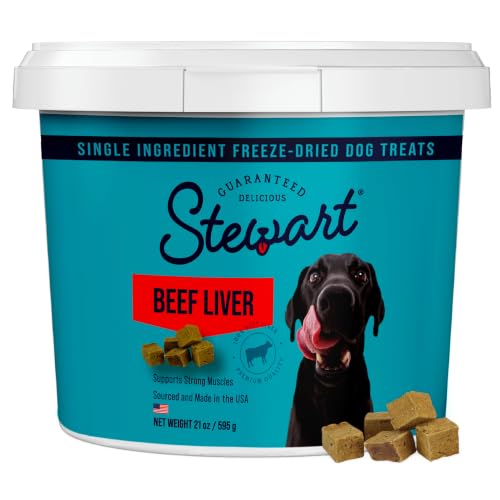
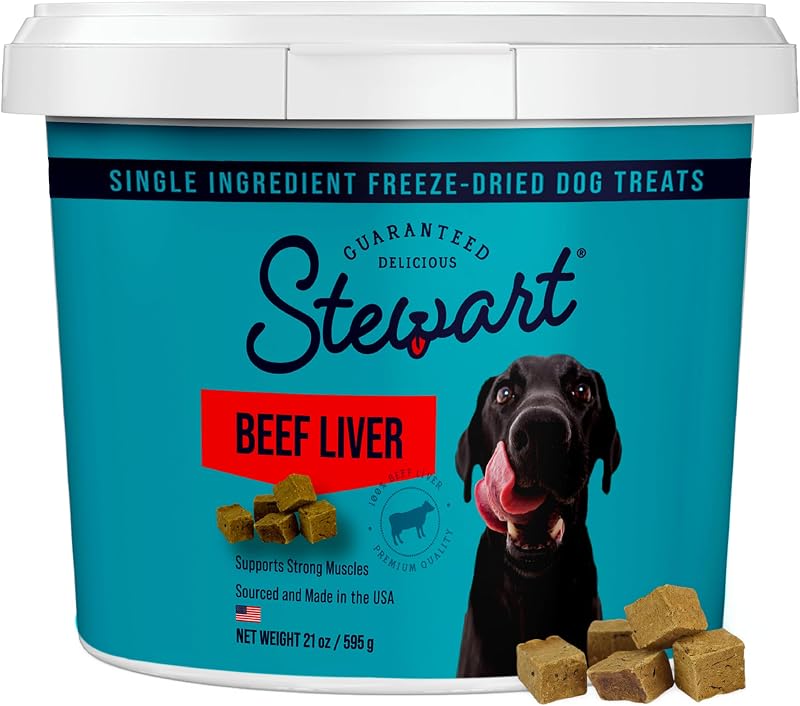
Freeze-dried raw feeding bypasses intense cooking heat entirely. Examples like Stella & Chewy’s Freeze-Dried Raw Dinner Patties utilize a cold freeze-drying technique that gently extracts water from 95% grass-fed beef, organs, and bone while keeping cellular structures and native nutrients intact. Similarly, Stewart Freeze Dried Dog Treats rely exclusively on single-ingredient USDA-certified beef liver that is freeze-dried in small batches to lock in pure animal protein and natural aroma. When evaluating raw vs kibble nutrient retention, freeze-drying leaves muscle proteins, organic vitamins, and animal fats in an unadulterated state that mirrors a wild canine diet.
The operational difference between freeze dried raw vs dry kibble lies in how those nutrients are delivered to the dog. With raw feeding, your dog absorbs nutrients primarily from raw muscle, marrow, and organ meat rather than synthetic fortifications. Dry kibble like Jinx Grain Free Dry Dog Food counters this by including clean Atlantic salmon as the first ingredient alongside functional superfoods and patented live probiotics, ensuring dependable nutrient levels in every measured cup without requiring specialized gentle preservation methods.
Edge: raw dog food delivers superior nutrient retention by avoiding high-heat cooking and preserving the native enzymes and amino acids of fresh meat.
Digestibility and Ingredient Purity
Digestibility determines how much of the food a dog eats is converted into usable energy rather than passed as waste. Dogs possess short digestive tracts and highly acidic gastric environments engineered to break down animal tissue efficiently. When a food relies heavily on animal muscle and nutrient-rich organs, the digestive system expends minimal effort extracting essential amino acids. In an in-depth raw dog food review, the primary advantage pet owners report is smaller, firmer waste resulting from high raw dog food digestibility.
Stella & Chewy’s demonstrates this biological alignment by utilizing a whole-prey formulation featuring 95% beef, organ, and bone paired with organic produce and probiotics, completely free of grains, gluten, corn, wheat, and artificial preservatives. For dogs dealing with multiple sensitivities, Stewart takes ingredient purity even further with a 100% single-ingredient beef liver treat and topper that eliminates all common allergens, grains, and fillers. Tracking your dog’s daily vitality and physical condition on clean diets is straightforward, much like active owners monitor exercise trends with a whistle vs fi collar setup.
Dry kibble requires binding agents, typically starchy carbohydrates or legumes, to hold the biscuit shape during extrusion. Jinx avoids traditional corn, soy, and wheat by using sweet potatoes and carrots to bind its Atlantic salmon recipe. While sweet potatoes deliver clean energy and live probiotics support gastrointestinal flora, the presence of complex plant matter means the digestive tract must work harder to process carbohydrates than it does with pure organ meat. Pet owners researching kibble vs raw dog food frequently find that kibble produces higher stool volume due to unabsorbed plant matter.
Edge: raw dog food offers higher biological digestibility by prioritizing whole-prey meats and eliminating the starch binders needed to form dry kibble.
Dietary Fiber and Digestive Consistency
While raw meat delivers exceptional protein density, it naturally lacks the structured dietary fiber essential for regulating gastrointestinal transit time. In the wild, canines consume trace fibrous matter from the gut contents of prey, fur, and scavenged plants, but modern domestic dogs often depend on dietary fiber to promote consistent bowel movements. A sudden transition to a fiber-deficient diet can result in irregular digestion or soft stools, particularly in dogs accustomed to commercial pet foods.
Kibble formulations intentionally incorporate balanced insoluble and soluble fiber profiles. In a comprehensive kibble dog food review, this high-fiber architecture stands out as a core strength. The Jinx Atlantic salmon recipe harnesses sweet potatoes, carrots, and flaxseed to supply dietary fiber that regulates stool firmness, bulks the colon, and provides nourishment for the patented live probiotics included in the recipe. These kibble dog food benefits allow pet parents to avoid the loose stools sometimes experienced during abrupt raw food transitions.
Freeze-dried raw foods feature minimal plant fiber. The Stewart beef liver formula contains zero percent fiber because it is composed entirely of pure animal organ meat. Stella & Chewy’s includes small quantities of organic fruits and vegetables alongside probiotics to support the gut, but its 95% meat ratio means bulk fiber remains low. For dogs that rely on substantial insoluble fiber to naturally express anal glands and maintain regular digestive timing, pure raw diets require careful monitoring or supplemental fiber sources.
Edge: kibble dog food provides a superior, balanced dietary fiber matrix that promotes predictable bowel movements and firm stool structure.
Palatability and Feeding Selective Dogs
Mealtime enthusiasm is a frequent hurdle for pet owners managing finicky or low-appetite dogs. Dogs experience food primarily through scent, using millions of olfactory receptors to inspect their meal before taking a bite. Extruded dry kibble relies on external fat coatings and natural flavorings sprayed onto the biscuits after baking to make the dry starch and protein appealing.
Raw food provides an intense natural aroma and meaty flavor profile that cooked kibbles struggle to duplicate. Stella & Chewy’s dinner patties are engineered specifically for appetite stimulation, utilizing grass-fed beef and nutrient-dense organs to entice finicky eaters that turn their noses up at traditional meals. Similarly, Stewart single-ingredient beef liver is favored by professional obedience trainers because dogs view the potent, unadulterated liver scent as a high-value reward. When owners ask is raw dog food worth it for stubborn eaters, the answer is usually visible in how fast an empty bowl appears.
Jinx provides respectable palatability by placing real Atlantic salmon as the primary ingredient and pairing it with rich flaxseed oils. However, dry kibbles inherently carry a lower moisture level and a more muted scent profile than freeze-dried meat. While preparing textured meals for family members might involve evaluating appliances like a ninja bn701 vs ss351 blender, turning freeze-dried patties into a warm, savory broth requires nothing more than adding a splash of water to rehydrate the beef morsels into an irresistible stew. When choosing raw or kibble for picky eaters, raw food consistently demonstrates higher mealtime appeal.
Edge: raw dog food wins decisively on palatability due to the natural aroma of real organ meat and the option to rehydrate into a rich broth.
Feeding Convenience, Preparation, and Storage
Daily workflow is where kibble establishes its strongest advantage over any raw feeding format. Managing a multi-pet home, rushing to work in the morning, or leaving a dog with a pet sitter demands a routine that takes seconds to execute. Dry kibble requires no mixing, no thawing, no rehydration, and no immediate bowl sanitization beyond normal washing schedules.
A bag of Jinx Atlantic Salmon can sit in your pantry for months without losing structural integrity. You simply scoop the dry nuggets into a bowl, interactive feeder, or puzzle toy. For puppy parents managing crate training routines using setups like a midwest icrate vs diggs revol, dry kibble is uniquely practical: you can scatter biscuits inside the crate or inside durable rubber toys to encourage teething without worrying about raw meat residue spoiling on crate flooring or fabric bedding.
Freeze-dried raw formats are far more convenient than frozen raw chubs that require days of refrigerator thawing, but they still demand extra effort compared to dry kibble. Stella & Chewy’s dinner patties can be fed dry, but the manufacturer recommends rehydrating them with warm water to provide adequate hydration, requiring crumbling, stirring, and waiting several minutes before serving. Unconsumed rehydrated food must be discarded after a short period to prevent spoilage. Stewart liver tubs store neatly at room temperature, but freeze-dried pieces naturally shed crumbly liver powder that requires careful handling to avoid mess on kitchen countertops. For owners monitoring outdoor adventures with a gps collar vs airtag for dogs, carrying dry kibble in a trail pouch is markedly cleaner than handling crumbly raw meat patties.
Edge: kibble dog food wins for daily convenience, offering instant pour-and-serve feeding, zero prep time, and mess-free handling.
Life Stage Versatility and Growth Support
Providing the right balance of calcium, phosphorus, protein, and fatty acids is critical when raising young dogs or supporting aging seniors. Puppies in particular need strict calcium-to-phosphorus ratios to ensure controlled skeletal growth without triggering developmental bone conditions. Both raw foods and kibbles offer formulations suited for all life stages, but they manage the delivery of these nutrients through different nutritional approaches.
When selecting raw or kibble for puppies, safety and balance are paramount. Stella & Chewy’s beef dinner patties are formulated for all life stages, combining 95% beef, organ, and finely ground bone with essential probiotics and omega fatty acids to support cognitive development, muscle growth, and joint health. The inclusion of real bone provides a natural source of bioavailable calcium and phosphorus. Stewart beef liver, while safe for all life stages as a high-protein treat or meal topper to support muscle development, is a supplemental single-ingredient food rather than a standalone complete diet.
Jinx handles life stage versatility by engineering an all-in-one dry kibble that covers puppies, adults, and seniors within a single balanced recipe. By using Atlantic salmon for muscle growth, sweet potato for digestive energy, and flaxseed-derived omega-3 and omega-6 fatty acids for skin and coat care, Jinx removes the guesswork from feeding growing dogs. Kibble guarantees an identical nutrient ratio in every single bite, eliminating the risk that a puppy might selectively pick out meat pieces and leave critical vitamin fortifications behind.
Edge: Tie. Both raw complete patties like Stella & Chewy’s and complete dry kibbles like Jinx provide verified all-life-stage nutrition, giving owners safe paths for puppy and adult care.
Pros and Cons
Raw Dog Food
Pros
- Unheated freeze-drying locks in natural nutrients
- 95% whole-prey meat, organs, and bone
- Exceptional aroma enticing picky eaters
- Free of grains, gluten, and artificial fillers
Cons
- Requires water rehydration for full moisture
- Low in structured plant fiber
View Stewart Freeze Dried Dog Treats 100% on Amazon
Kibble Dog Food

Pros
- Pour-and-serve convenience with zero prep time
- Fiber-rich sweet potatoes support firm stools
- Patented live probiotics in every serving
- Mess-free for puzzle toys and crate feeding
Cons
- Extrusion heat degrades natural raw enzymes
- Requires starch binders to form biscuits
View Jinx Grain Free Dry Dog Food on Amazon
Who Should Buy Each One
Choose raw dog food If
- You own a finicky eater that routinely refuses dry kibble and requires intense, natural organ meat aromas to stimulate appetite.
- Your dog suffers from food intolerances or sensitive digestion and needs limited-ingredient formulas like single-ingredient beef liver or grain-free whole-prey recipes.
- You want to maximize natural nutrient retention and feed minimally processed protein, organs, and bone without high-heat baking.
- You want versatile food forms that work equally well as rehydrated complete meals, dry meal toppers, or high-value training rewards.
Choose kibble dog food If
- You need a hassle-free, pour-and-serve feeding routine that requires zero rehydration, measuring wait times, or messy handling.
- Your dog requires consistent, fiber-rich ingredients like sweet potatoes and carrots to maintain firm stools and optimal digestive regularity.
- You want a shelf-stable food that works smoothly inside interactive puzzle toys, treat-dispensing games, and puppy crates without spoiling.
- You prefer a complete, all-in-one recipe featuring real salmon, live probiotics, and functional superfoods in an easy-to-store bag.
Final Verdict
For the vast majority of dog owners, kibble dog food remains the most sensible everyday foundation. Formulations like Jinx Atlantic Salmon demonstrate that modern dry kibble can deliver high-quality animal protein as the first ingredient alongside live probiotics and functional superfoods, all while eliminating corn, wheat, and soy. Kibble provides structured dietary fiber that supports regular stool quality, stores effortlessly in any pantry, and eliminates the preparation and cleanup required by raw diets.
However, raw dog food is undeniably worth the extra handling if your priority is biological nutrient density, ingredient simplicity, or feeding a selective dog. Products like Stella & Chewy’s Freeze-Dried Raw Dinner Patties and Stewart 100% Beef Liver treats offer unheated, whole-prey nutrition that heat-treated dry foods cannot match. If your pet turns down standard meals, struggles with digestive sensitivities, or thrives on raw meat, freeze-dried raw feeding delivers unmatched quality straight to the bowl.
FAQ
Can freeze-dried raw dog food be mixed with dry kibble?
Yes. Many pet owners use freeze-dried raw foods like Stella & Chewy’s patties or Stewart beef liver as high-protein meal toppers over a base of standard kibble. Crumbling raw morsels over dry kibble introduces natural aroma and raw enzymes without requiring a complete transition away from the convenience and fiber of dry food.
Do you have to rehydrate freeze-dried raw dog food before feeding?
Freeze-dried raw food can be served completely dry or rehydrated with warm water. Rehydrating is recommended for complete meals because dogs on raw diets benefit from additional moisture to support kidney function and digestion, whereas serving the pieces dry is ideal when using them as training treats or crunchy bowl toppers.
Is raw dog food safe for puppies?
Complete and balanced raw formulas, such as Stella & Chewy’s Freeze-Dried Dinner Patties, are explicitly formulated for all life stages, including growing puppies. These complete diets include ground bone and organic supplements to deliver the strict calcium-to-phosphorus ratios required for skeletal growth. However, single-ingredient raw treats like Stewart beef liver should only be used as supplementary toppers, not complete puppy diets.
Why does kibble produce larger stools than raw dog food?
Dry kibble includes complex carbohydrates, dietary starches, and plant fibers such as sweet potatoes and carrots that are not fully absorbed by a dog’s digestive tract. These unabsorbed fibers bulk up waste, resulting in larger, firmer stools. In contrast, raw diets contain high percentages of bioavailable meat and organs, leaving less unabsorbed material to be passed as waste.
How long does freeze-dried raw food stay fresh after opening?
Because freeze-drying extracts moisture without cooking, unopened containers have an extended shelf life at room temperature. Once opened, resealable bags and tubs like Stewart’s 21-ounce container stay fresh for several months as long as they are sealed tightly and kept in a cool, dry environment away from moisture and direct sunlight.
Does dry kibble lose its nutritional value during manufacturing?
The high heat and pressure used during kibble extrusion can degrade heat-sensitive vitamins and live enzymes present in raw ingredients. Quality manufacturers counteract this loss by adding balanced vitamin-mineral premixes and heat-stable or post-extrusion patented probiotics to guarantee that the finished kibble meets complete nutritional requirements.


