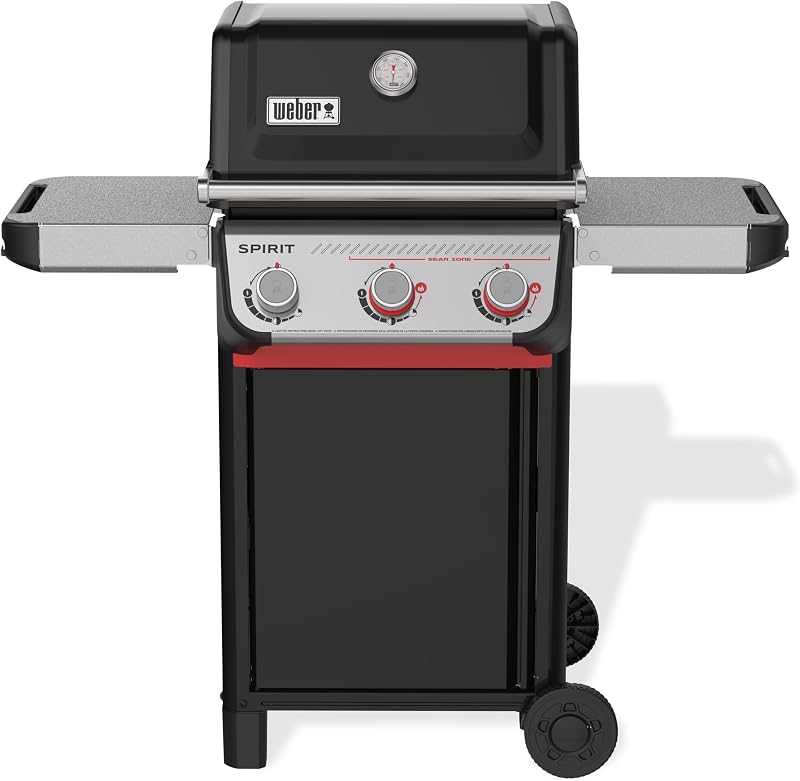
The choice between the Camp Chef SmokePro DLX and the Z GRILLS 700D6 centers on remote digital automation versus raw cooking volume and thermal retention. Camp Chef pairs a modern WiFi PID controller with a proprietary drop-out ash cleaning knob, making the operational cycle fast and clean from an iPhone or Android device. In contrast, Z GRILLS equips the 700D6 with an expansive 697-square-inch cooking grate and dual-wall bottom insulation that stabilizes internal temperatures when grilling in windy or cold weather.
Choose the Camp Chef DLX if you want remote temperature tracking through the Camp Chef Connect App alongside a wide 160°F to 500°F heating span and zero-mess firepot cleanouts. Choose the Z GRILLS 700D6 if you routinely cook for large groups and need the extra real estate of a 30-burger capacity backed by dual meat probes and an insulated barrel.


Camp Chef SmokePro DLX vs Z GRILLS 700D6 at a Glance
| Feature | Camp Chef SmokePro DLX | Z GRILLS 700D6 |
|---|---|---|
| Controller Architecture | Gen 3 WiFi PID Controller | Z-Ultra PID 3.0 Controller |
| Wireless App Monitoring | Camp Chef Connect App (WiFi) | Not listed |
| Operating Temperature Range | 160°F to 500°F (25,000 BTU) | 180°F to 450°F |
| Total Grilling Area | Not listed | 697 sq. in. |
| Smoke Adjustment Settings | Smoke Number (1 to 10) | Feed Button Smoke Boost |
| Thermal Insulation | Not listed | Dual-wall insulated bottom |
| Burner Ash Management | Ash Kickin’ Cleanout knob system | Not listed |
| Hopper Cleanout System | Not listed | Twist-open rear hopper door |
| Included Temperature Probes | Not listed | 2 meat probes included |
| Total Unit Weight | Not listed | 132 pounds |
| Best For | Connected smoking and fast cleanup | Large-batch cooking and thermal stability |
Temperature Control and Wireless Connectivity
Temperature consistency serves as the core performance metric for any pellet grill, dictating whether a twelve-hour pork shoulder develops a mahogany bark or dries out from fluctuating heat waves. The Camp Chef SmokePro DLX runs on the manufacturer’s Gen 3 WiFi controller, utilizing an algorithmic Proportional-Integral-Derivative (PID) setup. This system constantly recalculates auger feeds and fan speed variables to lock the interior cooking chamber within single-digit variances of your selected target. Because it integrates native WiFi hardware, the SmokePro DLX syncs directly with the Camp Chef Connect App. This wireless link lets pitmasters check pit warmth, receive cook notifications, and shift target temperatures from the living room couch or while running errands away from home. Pitmasters who have evaluated the camp chef woodwind 24 vs smokepro dlx will recognize this Gen 3 interface as a core technology upgrade that changes the day-to-day rhythm of long barbecue sessions.
The Z GRILLS 700D6 responds with its upgraded Z-Ultra PID 3.0 controller, which automatically meters fuel delivery and combustion airflow across an operating band of 180°F to 450°F. Monitoring on the 700D6 happens directly at the grill using an oversized, high-contrast LCD screen. Z GRILLS includes two wired food temperature probes that plug directly into the controller’s front faceplate, presenting simultaneous readouts of chamber heat and internal meat doneness without lifting the primary lid. What the 700D6 lacks, however, is any wireless connectivity. There is no companion mobile application, no Bluetooth handoff, and no WiFi interface. Grilling parameters must be dialed in, assessed, and adjusted via the physical dial and pushbuttons on the pellet hopper face.
This division separates hands-off, remote convenience from localized physical control. The Camp Chef app provides unmatched freedom during all-day brisket smokes, eliminating the necessity of walking out to the patio to verify pit temps. The Z GRILLS 700D6 counterbalances this with the out-of-the-box convenience of dual plug-in meat probes displayed clearly on its screen, avoiding the pairing headaches or network dropouts that occasionally interrupt app ecosystems. However, the sheer versatility of adjusting grill temperatures and reviewing smoke parameters from a smartphone gives Camp Chef a clear operational advantage.
Edge: Camp Chef SmokePro DLX because its Gen 3 WiFi controller and mobile app enable full remote monitoring and temperature management from anywhere.
Cooking Area and Chamber Capacity
Grill grate capacity dictates whether a smoker functions solely for immediate family weeknight dinners or handles large neighborhood gatherings and holiday spreads. The Z GRILLS 700D6 provides 697 square inches of total cooking real estate, giving it substantial volume for high-capacity barbecue. According to manufacturer specifications, this generous surface accommodates up to 30 burger patties simultaneously, six full racks of pork ribs laid flat, or five whole chickens positioned across the main grates. Outdoor cooks examining the camp chef woodwind 24 vs z grills 700d6 will appreciate that this bronze-lidded barrel handles sprawling, simultaneous multi-meat cooks without crowding food surfaces or forcing you to stagger serving times.
The manufacturer listing for the Camp Chef SmokePro DLX (model PG24C) does not specify its precise square-inch cooking capacity. While the frame accommodates typical family barbecue tasks like a pair of whole pork butts or several racks of baby backs, the absence of listed dimensions leaves buyers guessing on exact rack space. Grate headroom and multi-tier secondary shelving details are omitted in the official technical specifications. If your smoking style depends on strict square-inch measurements to fit large aluminum roasting pans or multiple whole packer briskets end-to-end, this lack of verified listing data introduces practical uncertainty.
For cooks planning regular catering, weekend tailgates, or large family reunions, cooking space is an uncompromising metric that cannot be mitigated by software features. The Z GRILLS 700D6 delivers documented capacity designed specifically to eliminate cooking bottlenecks, whereas the SmokePro DLX requires shoppers to compromise on verified grate dimensions. When firing up a smoker for major events, physical space takes priority over digital menus.
Edge: Z GRILLS 700D6 because its verified 697-square-inch cooking surface easily holds up to six racks of ribs or 30 burgers for large-scale cooks.
Heat Retention and Barrel Construction
Wood pellet grills depend heavily on structural metal gauge and thermal retention to maintain cooking consistency while managing pellet consumption. The Z GRILLS 700D6 incorporates an upgraded dual-wall insulated bottom section within its barrel architecture. This reinforced lower barrier locks internal heat directly around the burn pot and lower air pathways, shielding combustion zones from external wind chill and freezing ambient air. By minimizing radiant thermal loss through the bottom steel, the 700D6 optimizes pellet efficiency, burning fewer pounds of compressed hardwood per hour during extended low-and-slow cooks. The complete unit weighs in at a sturdy 132 pounds, constructed with heavy alloy steel panels and finished with an eye-catching bronze exterior lid.
The Camp Chef SmokePro DLX relies on a multi-material build composition outlined as 70% stainless steel, 25% steel, 4% electronics, and 1% rubber across both its exterior and interior components. While the stainless steel components provide natural defense against rust, pitting, and rain exposure, the listing does not mention dual-wall insulation or thermal barriers along the cook chamber base. In standard single-wall steel smokers, brisk autumn winds and winter temperatures force the combustion auger to work significantly harder, cycling more fuel through the firebox to replace escaped BTUs. Shoppers comparing the camp chef smokepro dlx vs recteq rt-700 often note that heavy chamber insulation fundamentally changes winter fuel economy and heat recovery times.
The structural advantage here goes directly to the insulated barrier on the 700D6. Pellet smokers naturally burn through fuel faster when ambient temperatures dive below 50°F. The dual-wall construction of the 700D6 prevents premature chamber heat loss, keeping food warm longer after shutting the grill down and shielding the internal convective airflow from gusty drafts. Camp Chef leverages resilient stainless steel, but without specialized insulated walls, it burns through pellets faster in harsh outdoor climates.
Edge: Z GRILLS 700D6 because its dual-wall insulated bottom drastically improves chamber heat retention and cuts down on winter pellet usage.
Ash Disposal and Pellet Maintenance
Post-cook cleanup is often the most neglected consideration when shopping for a pellet grill, yet it dictates how frequently you actually use the equipment. Hardwood pellets inevitably leave behind a fine wood ash that accumulates inside the central burn cup. In conventional pellet cookers, clearing this accumulation requires removing greasy main grates, lifting out the steel grease drainage drip tray, and detaching heat diffusers just to access the firepot with a dedicated shop vacuum. The Camp Chef SmokePro DLX completely sidesteps this messy chore with its patented Ash Kickin’ Cleanout system. With the simple pull of an external mechanical knob mounted beneath the hopper base, the bottom plate of the burn cup slides open, dumping residual ash directly into a removable exterior collection cup for clean, thirty-second disposal.
The Z GRILLS 700D6 provides no specialized ash cleanout trap in its listing, meaning routine firebox maintenance requires manual disassembly of the internal rack components and grease trays to vacuum out the burn basin. However, the 700D6 focuses its maintenance conveniences on fuel switching via a twist-open rear hopper door. This cleanout port allows users to quickly dump unburnt pellets out of the main bin into a bucket, making it painless to swap from sweet applewood to bold hickory pellets or drain the hopper before prolonged wet storage to prevent pellet swelling. The SmokePro DLX listing does not mention an integrated hopper cleanout gate.
When weighing ash removal against hopper draining, the chore you perform on every single cook cycle takes priority. Firepot ash builds up after every ten to twenty hours of smoking; failing to empty it causes auger ignition failures, erratic temp swings, and flameout errors. The patented Camp Chef ash cleanout knob transforms an unpleasant maintenance chore into a brief flick of the wrist. Readers researching the pit boss pro series 1150 vs camp chef smokepro dlx will find that this ash disposal design remains one of the single most user-friendly innovations in the modern pellet grill category.
Edge: Camp Chef SmokePro DLX because its patented Ash Kickin’ Cleanout empties the firebox without requiring internal disassembly or vacuuming.
Temperature Versatility and Smoke Profile Management
Pellet grills achieve true versatility when they handle delicate low-temperature charcuterie drying as effectively as high-heat baking and direct searing. The Camp Chef SmokePro DLX offers a broad cooking range from 160°F up to 500°F, backed by a powerful 25,000 BTU burner output. The lower 160°F threshold proves invaluable for smoking beef jerky, curing sausages, or dehydrating fish without rendering internal fats prematurely. At the opposite end, reaching 500°F gives cooks the radiant heat necessary to crisp chicken skin, bake wood-fired pizzas, or reverse-sear thick ribeyes. Furthermore, Camp Chef incorporates its proprietary Smoke Number system, letting you adjust smoke concentration directly from levels 1 through 10. This variable cycle allows users to alternate between ultra-precise temperature holding (low smoke numbers) and heavy smoldering wood output (high smoke numbers) to match personal taste preferences.
The Z GRILLS 700D6 operates across a slightly narrower spectrum of 180°F to 450°F, marketing an 8-in-1 versatility spectrum that accommodates smoking, searing, baking, braising, roasting, and outdoor barbecue. With a fully loaded hopper, Z GRILLS states the 700D6 delivers up to 28 hours of uninterrupted runtime on low-and-slow settings. For smoke output and temperature dips, the 700D6 features a manual Feed button. Pressing this trigger pushes extra fuel into the combustion chamber to speed up recovery times after opening the lid or to deliver a quick burst of intense wood smoke across the cooking grates. What it lacks is fine-tuned smoke density steps equivalent to Camp Chef’s dedicated 10-level scale.
Between the two, the SmokePro DLX extends performance boundaries on both ends of the thermometer. The 20-degree lower minimum setting of 160°F unlocks low-temperature smoking techniques that the 180°F minimum on the 700D6 simply cannot match. Meanwhile, the 500°F top-end cap on the Camp Chef delivers superior searing heat compared to the 450°F ceiling of the Z GRILLS. Combined with the surgical smoke density adjustments of the Smoke Number algorithm, the SmokePro DLX gives pitmasters significantly deeper control over their culinary profiles. Those exploring options in the pit boss austin xl vs camp chef smokepro dlx comparison will find that Camp Chef’s low-end temperature span remains a major selling point for specialized smoking.
Edge: Camp Chef SmokePro DLX because its 160°F to 500°F heat span and 10-level Smoke Number selector offer broader cooking versatility and smoke control.
Pros and Cons
Camp Chef SmokePro DLX
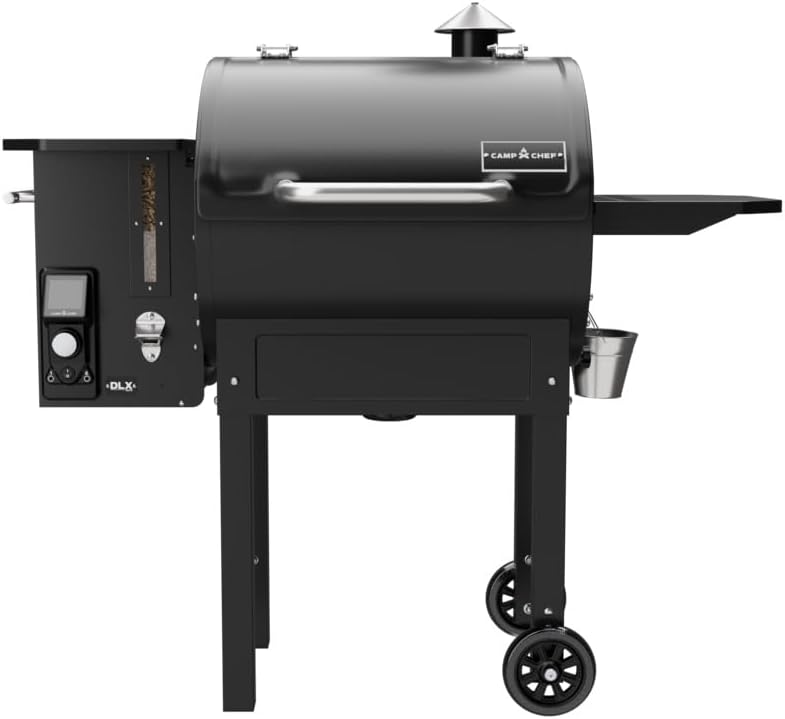
Pros
- Gen 3 WiFi controller with mobile app
- Patented pull-knob firebox ash cleanout
- Wide 160°F to 500°F temperature range
- Adjustable 1-to-10 Smoke Number settings
- 70% stainless steel durable construction
Cons
- Chamber cooking area not listed
- Listing does not specify meat probes
View Camp Chef SmokePro DLX on Amazon
Z GRILLS 700D6

Pros
- Large 697 square inch grilling area
- Dual-wall insulated bottom for heat retention
- Two included plug-in meat probes
- Rear hopper cleanout door for pellets
- Up to 28 hours continuous cook runtime
Cons
- No WiFi or smartphone app connectivity
- Lower maximum temperature capped at 450°F
- Lacks quick ash drop firebox cleanout
Who Should Buy Each One
Choose the Camp Chef SmokePro DLX If:
- You want complete smartphone control to monitor temperatures and adjust grill settings through the Camp Chef Connect App.
- You despise cleaning greasy internal firepots and want the push-pull simplicity of the patented Ash Kickin’ Cleanout system.
- You prepare low-temperature specialties like jerky or cured fish that demand a 160°F smoking floor alongside a 500°F upper heat ceiling.
- You want granular authority over smoke exposure via the adjustable 1 to 10 Smoke Number system.
Choose the Z GRILLS 700D6 If:
- You regularly cater to large groups and need a verified 697-square-inch cooking grate that holds 30 burgers or six rib racks.
- You grill year-round in cold, windy environments and require dual-wall insulated bottom construction to cut pellet consumption.
- You want plug-and-play monitoring right out of the box using two included wired meat probes and a large digital LCD screen.
- You frequently alternate hardwood flavors and need a quick-turn hopper cleanout door to swap unburnt wood pellets.
Final Verdict
For the vast majority of backyard barbecue enthusiasts, the Camp Chef SmokePro DLX emerges as the superior everyday pellet smoker. Its Gen 3 WiFi PID platform provides the modern wireless convenience modern pitmasters demand, letting you tweak temperatures and smoke profiles straight from your mobile phone. Paired with a generous 160°F to 500°F operational bandwidth, 25,000 BTUs of power, and a revolutionary ash dump cup that eliminates the need for vacuuming out the firebox after every couple of cooks, the SmokePro DLX removes the traditional headaches of pellet smoking while delivering nuanced flavor precision.
The Z GRILLS 700D6 captures the win if your cooking priorities revolve around crowd size, cold-weather efficiency, and budget-friendly heavy metal construction. Its expansive 697-square-inch cooking platform handles multi-meat party menus that would overwhelm mid-sized chambers, while its dual-wall insulated bottom prevents winter heat loss and stabilizes fuel burn rates during sub-freezing smoke sessions. If you prefer monitoring your cooks through front-panel displays with dual included meat probes rather than fiddling with smartphone applications, the 700D6 delivers dependable, massive-scale smoking muscle.
FAQ
Does the Camp Chef SmokePro DLX include meat probes in the box?
The provided listing details for the SmokePro DLX (model PG24C) do not specify whether meat probes are packaged in the box, although the Gen 3 WiFi controller supports temperature monitoring through the Camp Chef Connect App. In contrast, the Z GRILLS 700D6 explicitly confirms that two food temperature probes are included in the package.
Can the Z GRILLS 700D6 connect to a home WiFi network?
No, the Z GRILLS 700D6 relies on a standalone Z-Ultra PID 3.0 controller without wireless connectivity, Bluetooth pairing, or mobile application compatibility. All temperature selections and meat probe observations must be managed directly on the grill’s physical LCD display panel.
How does the dual-wall insulation on the Z GRILLS 700D6 help in cold weather?
The dual-wall insulated bottom on the 700D6 creates a thermal barrier that traps combustion heat inside the lower barrel. This prevents cold ambient air and wind from chilling the firepot area, which stabilizes cooking temperatures, speeds up heat recovery after opening the lid, and reduces overall wood pellet fuel consumption.
How does the Camp Chef DLX ash cleanout system operate?
The patented Ash Kickin’ Cleanout system uses an exterior lever beneath the smoker body. Pulling this knob slides open the bottom plate of the internal firepot, allowing burned pellet ash to drop directly into a detachable cup mounted underneath the grill without requiring you to remove grates, heat diffusers, or grease drip plates.
Which smoker offers higher cooking temperatures for searing?
The Camp Chef SmokePro DLX achieves a higher maximum temperature, operating up to 500°F with a 25,000 BTU output. The Z GRILLS 700D6 reaches a maximum temperature of 450°F, making the SmokePro DLX better suited for crisping poultry skin and high-heat roasting.
Can you swap pellet flavors easily on the Z GRILLS 700D6?
Yes, the Z GRILLS 700D6 includes an easy hopper cleanout design featuring a twist-open door on the rear of the pellet hopper. Opening this portal discharges unburnt wood pellets directly into a bucket, simplifying the process of emptying the bin before moisture exposure or changing wood species.