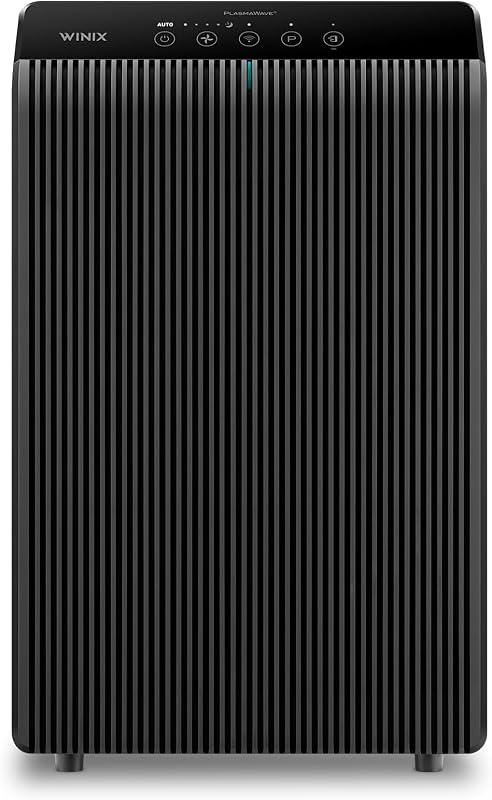
The single difference that decides the choice between mechanical HEPA filtration and an electronic ionizer air purifier is how airborne contaminants are handled: HEPA physically traps 99.97% of particulates inside dense, disposable fiber media, whereas an ionizer emits electrical charges into the room to force particles out of suspension and onto surfaces or washable collection plates.
Choose HEPA if you need certified allergen and pet dander removal with zero ozone emissions for bedrooms or family living spaces. Choose an ionizer air purifier if you want ultra-low energy consumption and zero ongoing filter replacement costs for persistent household odors.


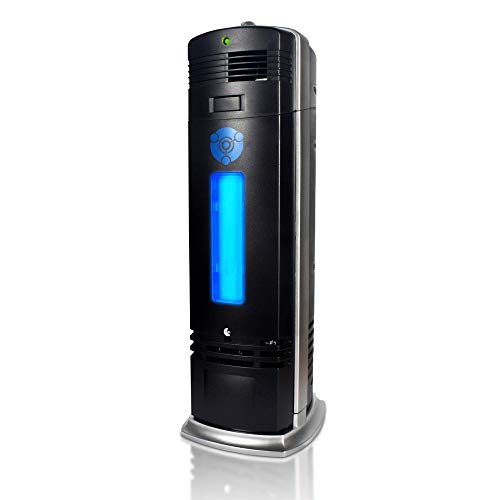

HEPA vs Ionizer Air Purifier at a Glance
| Attribute | HEPA | Ionizer Air Purifier |
|---|---|---|
| Primary Cleaning Mechanism | Mechanical pleated fiber filtration | Electrostatic charge and ionic discharge |
| Particle Capture Efficiency | 99.97% of particles down to 0.1 to 0.3 microns | Particle retention down to 0.01 micron on collection plates |
| Byproduct and Ozone Emission | Zero ozone generation | Trace ozone (< 0.05 ppm) to high-output industrial ozone |
| Maintenance Requirements | Disposable filter replacement every 6 to 8 months | Permanent filter wipes clean; carbon filter replaced periodically |
| Power Consumption | 56 watts on compact motorized units | 7.5 watts on compact electrostatic models |
| Clean Air Delivery Rate (CADR) | AHAM-verified CADR up to 143 to 167 CFM | Not listed / unrated by standard AHAM CADR protocols |
| Room Coverage Range | 222 sq ft at 4.8 air changes/hour up to 1,073 sq ft | 500 sq ft up to 2,500 sq ft depending on technology |
| Best For | Allergies, asthma, pet dander, and pure mechanical capture | Low-wattage deodorizing and filter-free operation |
Filtration Mechanism and Particle Capture
The core distinction between an electrostatic vs HEPA air filter lies in whether particles are mechanically blocked or electronically manipulated. A High-Efficiency Particulate Air (HEPA) purifier relies on a thick, randomly arranged fiberglass or polymer web. Units like the Levoit Core 300-P utilize a 3-in-1 filtration structure tested to achieve a 99.97% efficiency rate for microscopic airborne particulates between 0.1 and 0.3 microns. Air is forcefully driven through this dense matrix by a motor, ensuring that dust, pet dander allergens, and pollen cannot slip past the pleated barrier.
An ionizer air purifier functions without pushing air through dense physical sheets. Instead, devices such as the OION Technologies B-1000 produce a negative ion output that attaches negative charges to passing airborne particles. These newly charged particles are either drawn onto oppositely charged metal collection plates inside the unit or become heavy enough to drop out of the air onto your floor, furniture, and walls. The B-1000 features an electrostatic filter capable of retaining particles down to 0.01 micron, smaller than the threshold of standard mechanical media.
The operational trade-off centers on where the trapped debris ultimately settles. HEPA purifiers physically retain microscopic irritants inside an enclosed cartridge that you discard. Pure ionizers that rely strictly on ionization without collection plates simply transfer the airborne particulate load onto flat surfaces in your home. If these settled particles are disturbed by foot traffic or draft currents before being dusted or vacuumed, they can easily become airborne again.
Edge: HEPA wins because it physically captures and isolates 99.97% of fine airborne particulates inside a sealed media cartridge rather than allowing them to settle across room surfaces.
Ozone Safety and Respiratory Health
When comparing an ionizer vs HEPA air purifier for home use, respiratory safety is paramount. Mechanical HEPA filtration produces zero chemical emissions, secondary gases, or ozone byproducts. Because HEPA operates entirely through mechanical sieving, impaction, and diffusion, it does not alter the molecular structure of the surrounding air, making it safe for continuous operation in nurseries, bedrooms, and medical recovery spaces.
In contrast, air ionizer ozone safety is an important factor to review before running an electronic purifier in living quarters. Corona discharge and electrical ionization naturally produce ozone (O3) molecules as oxygen in the air is charged. The OION B-1000 holds California Air Resources Board (CARB) certification (EO #G-18-071) and an EPA Establishment registration (#87267-CHN-001), maintaining ozone emissions below 0.05 ppm for occupied spaces. However, dedicated heavy-duty models like the BASVACSH 840S generate up to 45,000 mg/h of ozone, which is an industrial deodorizing gas designed strictly for unoccupied rooms or vehicles.
For individuals researching HEPA or ionizer for allergies and chronic asthma, even low trace levels of ozone can cause lung irritation, throat dryness, or bronchial inflammation. The complete absence of ozone in HEPA purifiers guarantees safe continuous operation without the need to monitor atmospheric parts-per-million levels or manage room vacancy schedules.
Edge: HEPA wins decisively on health safety because mechanical filtration generates zero ozone byproducts, making it completely non-irritating for sensitive lungs.
Maintenance Requirements and Upkeep Costs
Routine maintenance schedules represent one of the clearest contrasts between these two air cleaning approaches. A standard HEPA air purifier review consistently emphasizes the ongoing requirement of disposable cartridges. For example, Levoit recommends a HEPA filter replacement frequency of every 6 to 8 months for the Core 300-P to prevent airflow restriction and maintain AHAM-certified capture efficiency. Similarly, the Guardian Technologies GermGuardian AC4825E requires replacement HEPA filter B cartridges (FLT4825) along with periodic UV-C bulb (LB4000) swaps to retain peak performance.
On the other hand, an ionic air purifier review highlights the financial appeal of permanent collection media. The OION B-1000 features a permanent electrostatic filter that simply wipes clean with a damp cloth without requiring complete replacement. While it does house an internal carbon filter that lasts 6 to 12 months for absorbing smoke and pet scents, the primary particulate collection blades do not need to be repurchased, reducing recurring consumable upkeep over the appliance’s lifespan.
Deciding if an ionic air purifier is worth it depends on your tolerance for hands-on maintenance versus recurring replacement purchases. Washing or wiping electrostatic collection plates requires frequent manual effort, as grime and sticky tar coat the metal fins quickly. HEPA purifiers demand zero manual cleaning of internal media; you simply unwrap and insert a fresh, sanitary filter cartridge twice a year.
Edge: Ionizer air purifiers take this category because permanent, washable collection plates eliminate the regular recurring expense of purchasing disposable filter cartridges.
Allergen and Pet Dander Removal
Choosing between HEPA or ionizer for pet dander and seasonal pollen comes down to total extraction versus surface settling. Pet dander consists of microscopic protein flakes shed by cats, dogs, and small animals, often measuring between 0.5 and 10 microns. The GermGuardian AC4825E pairs a True HEPA layer with an activated carbon pre-filter designed specifically to capture pet hair, larger dander clusters, and floating dust before they can circulate into the breathing zone.
The Levoit Core 300-P matches this allergen control by providing independent laboratory testing verifying 99.97% capture of pollen, dust, and animal dander allergens between 0.1 and 0.3 microns. By drawing air continuously into the intake vents, the HEPA media holds biological allergens locked tightly within dense fibers, completely isolating them from your living environment.
Ionizers approach dander by charging the floating microscopic flakes so they clump with other particulates and fall out of your direct breathing level. While this clears the visible air volume, it leaves allergenic proteins resting on your carpeting, bedding, and baseboards. Walking past or sitting down can kick those allergen clusters back into suspension. For homes with pets, mechanical HEPA capture removes dander permanently, whereas ionizers leave pet owners responsible for frequent vacuuming.
Edge: HEPA is clearly superior for allergy relief because it permanently extracts pet dander and pollen from the room rather than depositing them onto surfaces.
Smoke and Odor Elimination Performance
Evaluating HEPA or ionizer for smoke and harsh odor elimination reveals different technological strengths. Smoke is composed of two distinct hazards: solid particulate matter (ash, soot, fine carbon) and gaseous volatile organic compounds (VOCs). A HEPA filter is exceptionally effective at trapping the dangerous solid particulates. The Core 300-P carries an AHAM VERIFIDE Clean Air Delivery Rate (CADR) of 143 CFM specifically for smoke, demonstrating rapid clearing of visible smoke haze.
However, pure mechanical HEPA media cannot capture gas molecules or neutralize strong odors on its own. For that reason, HEPA units rely on supplemental activated carbon stages. The GermGuardian AC4825E incorporates an activated carbon pre-filter to tackle lingering scents, but its primary strength remains particulate capture rather than gaseous breakdown.
Electronic air cleaners, meanwhile, target molecular scent compounds differently. The OION B-1000 uses negative ion output, carbon filtration, and UVGI/UV-C technology to absorb smoke odors in occupied rooms. For extreme, deeply embedded odors, the BASVACSH 840S ozone generator outputs 45,000 mg/h of ozone to break down organic odor molecules in vacant spaces up to 2,500 square feet. HEPA cleans smoke particulates from the air faster, while ionization and ozone excel at neutralizing stubborn odor molecules.
Edge: Tie, as HEPA cleans dangerous smoke particles out of the air significantly faster, while electronic purifiers and ozone generators excel at breaking down molecular odors.
Airflow Volume, CADR, and Room Coverage
Air exchange rates determine how quickly an air cleaner can refresh a room’s atmosphere. HEPA purifiers employ motorized blower fans to force large volumes of air through dense filter media. The Levoit Core 300-P utilizes a 56-watt high-torque motor to deliver 143 CFM for smoke, 153 CFM for dust, and 167 CFM for pollen. This fan system refreshes the air in a 222-square-foot room 4.8 times per hour, or circulates the air in a 1,073-square-foot space once per hour.
Similarly, the GermGuardian AC4825E tower design provides three fan speeds capable of circulating air in a 153-square-foot room every 12.5 minutes (4.8 air changes per hour) or once per hour in medium to large rooms up to 743 square feet. These standardized numbers give shoppers clear, independently tested benchmarks for room size compatibility.
By contrast, ionic air purifiers often trade high-volume airflow for ultra-quiet operation. The OION B-1000 operates at an ultra-low 7.5 watts with a whisper-quiet purification fan suited for up to 500 square feet. It does not carry an AHAM VERIFIDE CADR rating because its air intake relies on gentle convection and low-flow fan assistance. While the BASVACSH 840S covers up to 2,500 square feet, it disperses ozone gas across open space rather than filtering air volume through a high-velocity intake fan.
Edge: HEPA wins with verified CADR metrics and high-volume motorized fans that consistently circulate and clean entire rooms multiple times per hour.
Pros and Cons
HEPA

Pros
- Traps 99.97% of fine particles
- Zero ozone emission or respiratory irritants
- AHAM-verified CADR up to 167 CFM
- Permanently isolates allergens in disposable media
Cons
- Requires filter replacement every 6-8 months
- Higher power consumption at 56 watts
View Levoit Air Purifier Home Pets on Amazon
Ionizer Air Purifier

Pros
- Permanent collection filter wipes clean
- Ultra-low 7.5W electrical power draw
- Retains particles down to 0.01 micron
- Whisper-quiet fan operation
Cons
- Produces trace ozone byproducts
- Drops uncollected particles onto room surfaces
- Lacks verified high-volume AHAM CADR ratings
View B-1000 Permanent Filter Ionic Air Purifier on Amazon
Who Should Buy Each One
Choose HEPA If
- You suffer from seasonal pollen allergies, dust mite reactions, or asthma and require certified 99.97% particulate capture down to 0.1 to 0.3 microns.
- You have shedding dogs or cats and need to pull pet dander and floating animal hair permanently out of the room air.
- You want zero ozone emissions to ensure continuous, safe air cleaning in bedrooms, nurseries, or enclosed home offices.
- You prefer verifiable room coverage backed by standardized AHAM Clean Air Delivery Rate (CADR) ratings.
Choose an Ionizer Air Purifier If
- You want to eliminate ongoing filter cartridge replacement costs by wiping down a permanent electrostatic collection plate.
- You want ultra-low electrical energy consumption, drawing as little as 7.5 watts during continuous daily use.
- You need to target stubborn smoke or organic odors using negative ion discharge, carbon stages, or UVGI technology.
- You need an industrial ozone generator for shock odor remediation in unoccupied basements, cabins, or automobiles.
Final Verdict
For most households seeking cleaner indoor air, a HEPA air purifier is the clearly superior choice. Units like the Levoit Core 300-P and Guardian Technologies GermGuardian AC4825E deliver verified 99.97% mechanical capture of pollen, dust, pet dander, and smoke particles down to 0.1 microns. By pulling air through sealed multi-stage filters with powerful motorized fans, HEPA purifiers cycle rooms several times an hour while producing zero ozone, guaranteeing safe and dependable protection for people with allergies or asthma.
An ionizer air purifier serves a narrower, specialized role. Models like the OION Technologies B-1000 offer an attractive alternative if you want to avoid ongoing filter replacement expenses and run an ultra-low 7.5-watt appliance with a permanent wipe-clean collection plate. Additionally, high-output ozone units like the BASVACSH 840S remain valuable for unoccupied shock odor treatment. However, when it comes to daily family living, continuous allergen removal, and respiratory safety, HEPA filtration remains the gold standard.
FAQ
Does an ionizer remove pet dander as effectively as a HEPA filter?
No, an ionizer does not remove pet dander as effectively as a mechanical HEPA purifier. While an ionizer charges dander particles so they cling to internal plates or drop out of the air, many particles land on rugs, furniture, and baseboards where they can be kicked back into circulation. A HEPA filter pulls the dander into dense pleated media and traps it permanently inside the unit.
How often do HEPA filters need replacement compared to ionic collection plates?
HEPA purifiers like the Levoit Core 300-P require replacement filter cartridges every 6 to 8 months to maintain airflow and filtration performance. In contrast, ionic purifiers like the OION B-1000 feature permanent electrostatic plates that simply wipe clean without replacement, though secondary internal carbon filters still need swapping every 6 to 12 months for odor control.
Are air ionizers safe to run continuously around children and pets?
Consumer ionic air purifiers that meet CARB standards produce ozone levels below 0.05 ppm, making them certified for occupied residential spaces. However, because even trace ozone can cause mild airway irritation in individuals with asthma or reactive airways, a purely mechanical HEPA purifier is the safer option for children’s bedrooms and nurseries.
Can an electrostatic air filter capture smoke particles?
Yes, electrostatic filters can capture fine smoke particles, with units like the OION B-1000 listing particle retention down to 0.01 micron. However, HEPA purifiers clear the dense particulate haze of wildfire or cigarette smoke much faster due to powerful fan motors and high Clean Air Delivery Rates, such as the 143 CFM smoke CADR on the Levoit Core 300-P.
Does a HEPA air purifier produce any ozone?
No, a mechanical HEPA air purifier produces zero ozone. It cleans indoor air by forcing air through dense physical fiber media using an electric fan motor. Because it does not rely on electrical corona discharge or ionization to charge airborne particles, no ozone molecules are generated during operation.
Is an ionic air purifier worth it if I want to avoid buying replacement filters?
An ionic air purifier is worth considering if eliminating recurring filter costs is your primary purchasing goal. Permanent collection plates wipe clean with a cloth, avoiding semi-annual filter purchases. However, you will need to clean the metal plates manually on a regular basis, and you compromise on the rapid particle extraction provided by high-CADR HEPA purifiers.