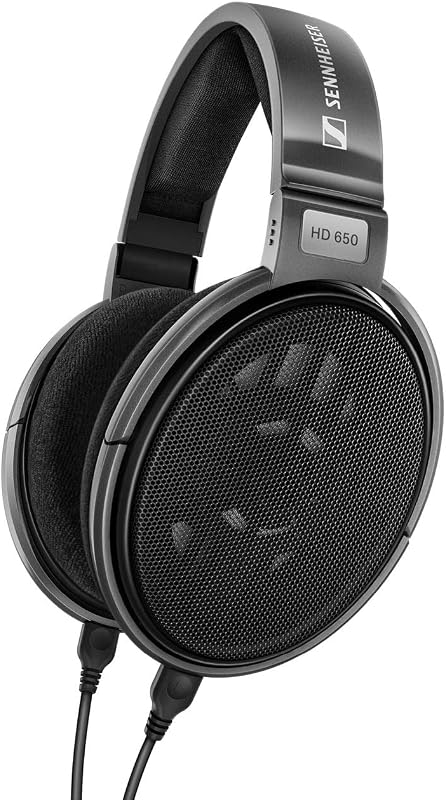
The defining difference between open back vs closed back headphones comes down to acoustic enclosure architecture: open back headphones feature vented outer ear-cups that allow air and sound waves to pass freely outward, creating a broad and natural soundstage, whereas closed back headphones feature solid, sealed ear-cups that trap audio inside while physically blocking out external environmental noise.
Choose open back headphones if you do critical listening, audio mixing, or gaming alone in a quiet room and desire an expansive, out-of-head spatial presentation. Choose closed back headphones if you track vocals, record instruments, or listen in shared workspaces where sound leakage and background distractions cannot be tolerated.


Open Back vs Closed Back Headphones at a Glance
| Acoustic Attribute | Open Back Headphones | Closed Back Headphones |
|---|---|---|
| Acoustic Architecture | Open vented mesh and perforated ear-shells | Airtight, sealed circumaural ear-shells |
| Acoustic Sound Isolation | None (ambient sound enters earcups freely) | Passive sound isolation blocks ambient noise |
| Sound Leakage | High audio leakage into surrounding room | Contained audio with minimal bleed |
| Soundstage Presentation | Expansive, holographic, three-dimensional | Direct, intimate, focused in-head presentation |
| Driver Dimensions (Representative Data) | 50 mm neodymium transducers | 40 mm to 50 mm dynamic drivers |
| Ear Cushion Materials | Breathable velour over memory foam | Padded circumaural leatherette or soft foam |
| Primary Studio Application | Audio mixing, mastering, spatial monitoring | Vocal tracking, instrument recording, live monitoring |
| Thermal Dissipation | High airflow prevents heat and moisture buildup | Sealed earcups retain body heat over time |
| Best For | Solo listening and mixing in quiet spaces | Tracking, recording, commuting, and shared spaces |
Soundstage and Spatial Imaging
Soundstage refers to the perceived width, depth, and three-dimensional placement of instruments across a virtual stereo field. In an open back headphones review, spatial presentation is almost always the centerpiece feature. Because open-back ear-shells have perforated grilles or acoustic mesh, sound waves generated by the driver radiate freely into the surrounding room rather than bouncing off an internal plastic wall. This lack of enclosure reflection prevents acoustic resonances from muddying mid-range frequencies, resulting in a presentation that feels like listening to desktop monitors rather than wearing headphones. The open back vs closed back soundstage distinction is immediately apparent in orchestral pieces, live concert recordings, and ambient soundscapes where spatial breadth creates realism.
Representative open models take deliberate advantage of this open acoustic architecture. The Philips Fidelio X2HR incorporates double-layered ear-shells with pre-tilted speaker plates and 50 mm high-definition neodymium drivers with a Layered Motion Control diaphragm, directing sound naturally along the angle of the human ear canal. Similarly, the Sennheiser HD 599 uses proprietary transducer technology with lightweight aluminum voice coils to yield exceptional dynamics, low distortion, and natural spatial reproduction. In contrasting comparisons like the sennheiser hd 660s2 vs akg k371 matchup, the open acoustic architecture consistently allows instruments to spread far to the left and right without hitting an artificial acoustic boundary.
By contrast, closed back headphones confine sound waves inside a sealed acoustic chamber. While high-performance drivers such as the 50 mm units on the FIFINE HD8 produce stable mids and accurate treble across a wide 20Hz to 20kHz frequency range, the hard barrier of the ear-shell reflects acoustic energy back toward the ear. This enclosure causes the soundstage to feel significantly more intimate and centered inside the skull. When deciding between open back or closed back for gaming, players who want directional cues, distant footstep locating, and an expansive environmental feel gravitate toward open backs, whereas closed backs provide a focused, intense near-field experience.
Edge: Open back headphones win decisively on soundstage width, spatial separation, and three-dimensional imaging realism.
Acoustic Isolation and Sound Leakage
Acoustic isolation and sound leakage represent the fundamental trade-off of headphone design. Closed back headphones sound isolation functions via physical passive attenuation: the solid ear-cup material and tight circumaural cushion create an airtight perimeter against the head. This seal prevents high-frequency environmental sounds, computer fan whirs, traffic rumble, and office chatter from reaching your eardrums. Simultaneously, the sealed barrier traps acoustic energy within the headphone cup, preventing whatever you are listening to from leaking out into the room. For anyone asking is closed back headphones worth it for daily utility, the answer lies in this dual-direction isolation.
The Audio-Technica ATH-M20x exemplifies this isolation priority with a circumaural design that contours around the ears specifically to seal out noise in loud environments with minimal bleed. The FIFINE HD8 also highlights circumaural closed-back passive noise cancellation engineered to block high-frequency ambient noise signals, establishing an isolated listening zone. In studio environments or office desks examined in comparisons like the audio-technica ath-m50x vs sennheiser hd 660s2 analysis, sound isolation prevents your audio from interfering with colleagues or recording equipment.
Open back headphones operate in reverse. Both the Fidelio X2HR and the Sennheiser HD 599 state under their technical specifications that noise control is entirely absent. Open back headphones sound leakage is substantial: anyone sitting near you can clearly hear your music, dialogue, or game audio at standard listening volumes. At the same time, every ambient sound in your household-refrigerator hums, keyboard clicks, hallway conversations-passes straight through the mesh grilles and reaches your ears. In environments that are not whisper-quiet, background interference destroys low-level musical details.
Edge: Closed back headphones dominate acoustic isolation and sound containment, making them the only viable choice for shared spaces.
Studio Mixing vs Tracking Utility
Studio production requires different acoustic tools at different stages of the recording pipeline. When evaluating open back or closed back for mixing versus open back or closed back for tracking, engineers assign these headphones to separate tasks based on how their physical housings interact with microphones and human hearing. Mixing demands clinical transparency, honest tonal balance, and accurate stereo positioning so adjustments translate accurately across commercial speakers. Tracking, on the other hand, demands absolute sound containment to protect clean vocal and instrument takes from metronome or backing track bleed.
For tracking sessions, closed back headphones are non-negotiable. If a vocalist or acoustic guitarist wears open-back headphones while tracking a take, the click track and instrumental accompaniment will leak through the vented earcups directly into sensitive condenser microphones. The Audio-Technica ATH-M20x is designed explicitly for studio tracking and mixing, offering durable circumaural pads that seal tightly against the skull to stop audio bleed. The FIFINE HD8 further supports studio tracking workflows with two 9.8-foot detachable DJ-style coiled cables featuring 3.5 mm and 6.35 mm connectors that interface directly with audio interfaces, hardware mixers, and studio preamps without needing aftermarket adapters.
For mixing and mastering, open back headphones provide distinct acoustic advantages. Because open ear-shells do not trap air pressure, dynamic drivers move without fighting back-pressure inside an enclosed chamber. This freedom prevents internal standing waves and cup resonances from artificially boosting the upper bass or masking lower-mid frequencies. In a closed back vs open back headphones workflow evaluation like our philips shp9500 vs akg k371 breakdown, mixing engineers rely on open-back transparency to balance vocal reverbs, adjust panning, and spot EQ conflicts without the phase anomalies introduced by internal reflections.
Edge: Tie. Open back headphones are superior for critical stereo mixing, while closed back headphones are mandatory for studio tracking.
Low-Frequency Response and Acoustic Punch
The acoustic physics of a headphone enclosure fundamentally shape bass reproduction. In closed back headphones, the sealed volume of air trapped between the driver diaphragm, ear cushion, and user skull acts as an acoustic chamber. When a dynamic driver pushes forward, it pressurizes this sealed air pocket, transferring low-frequency acoustic energy directly against the ear drum. This acoustic seal delivers tangible sub-bass extension, impactful low-end punch, and visceral weight that bass-heavy genres demand.
A closed back headphones review often highlights this low-end tuning. The Audio-Technica ATH-M20x uses 40 mm drivers with rare earth magnets and copper-clad aluminum wire voice coils tuned specifically for enhanced low-frequency performance down to 20,000 hertz. The FIFINE HD8 employs large 50 mm drivers to reproduce dynamic bass across a full 20Hz to 20kHz frequency response range. In heavy electronic music, hip-hop, and action-movie sound design, this sealed pressure generates a sense of physical slam that open designs struggle to replicate.
Open back headphones reproduce bass with a different acoustic character. Without a sealed chamber to build air pressure, low frequencies disperse naturally through the rear grilles. This characteristic often causes an open design to exhibit a roll-off in the lowest sub-bass octaves compared to sealed enclosures. However, open headphones compensate by delivering textured, uncolored, and distortion-free mid-bass. The Philips Fidelio X2HR utilizes high-definition 50 mm neodymium drivers with LMC diaphragms that retain clean bass lines without lingering resonance, while the Sennheiser HD 599 relies on aluminum voice coils to yield fast transient response. As discussed in the sennheiser hd 660s2 vs beyerdynamic dt 770 pro comparison, open bass emphasizes instrumental separation and tone over acoustic impact.
Edge: Closed back headphones take the lead for raw sub-bass extension, low-end slam, and pressurized acoustic punch.
Wearing Comfort and Heat Dissipation During Long Sessions
Headphone comfort depends on physical weight distribution, clamping force, and thermal regulation around the ears. Closed back headphones require continuous clamping pressure to maintain the airtight perimeter needed for sound isolation. Because the earcups are fully enclosed, body heat generated by the skin cannot escape, leading to heat buildup and perspiration during extended listening or editing marathons. The ATH-M20x uses smooth, contoured circumaural earcups designed to hold a tight seal, while the FIFINE HD8 weighs 265 grams with an adjustable headband and soft padded cushions to mitigate fatigue during long voiceover or creation sessions.
Open back headphones excel at thermal dissipation. The vented design allows air to circulate continuously across the driver cavity and the user ears, keeping the temperature neutral even during multi-hour listening sessions. Furthermore, open headphones do not need an airtight acoustic seal to function properly, allowing manufacturers to use plush, breathable velour materials instead of heat-trapping leatherette.
Both featured open-back models prioritize breathability and ergonomic suspension. The Philips Fidelio X2HR features replaceable deluxe memory foam ear-pads with breathable velour finishing, paired with a self-adjustable hammock headband utilizing 3D mesh and genuine leather. The Sennheiser HD 599 features large ear cups fitted with luxurious velour-covered ear pads and a padded headband designed to exert minimal pressure on the ears. In long-session comparisons such as the akg k371 vs hifiman sundara overview, open architectures with velour padding consistently offer cooler, more sustainable comfort for marathon desk use.
Edge: Open back headphones win for thermal breathability, softer clamping requirements, and long-session comfort.
Pros and Cons
Open Back Headphones

Pros
- Expansive and natural soundstage
- Breathable velour pads prevent heat
- No internal acoustic cup reflections
- Precise spatial imaging for gaming
- Comfortable self-adjusting headband options
Cons
- Zero passive ambient noise isolation
- High sound leakage into surroundings
- Gentler sub-bass acoustic roll-off
View Philips Fidelio X2HR Over Ear on Amazon
Closed Back Headphones

Pros
- Effective passive noise isolation
- Minimal audio bleed for microphone tracking
- Impactful low-frequency punch and bass
- Versatile for shared workspaces and travel
- Durable circumaural seal contours around ears
Cons
- Narrower in-head soundstage
- Ear heat buildup during long sessions
View Audio-Technica ATH-M20x Professional Studio Monitor Headphones on Amazon
Who Should Buy Each One
Choose the Open Back Headphones If
- You listen exclusively in quiet, private rooms like a dedicated home office, studio, or private bedroom.
- You want a wide, natural soundstage for immersive gaming, classical symphonies, and live concert recordings.
- You mix, master, or edit audio tracks and need uncolored acoustic decay without internal cup reflections.
- You suffer from ear heat and sweat during long computer sessions and prefer breathable velour earpads.
Choose the Closed Back Headphones If
- You record vocals, podcasts, or instruments with a microphone that would pick up headphone audio bleed.
- You listen in shared spaces, busy offices, dorm rooms, or public transit where isolation is essential.
- You require punchy sub-bass pressure, deep low-end impact, and tight dynamic rumble for modern genres.
- You want an all-around utility headphone that keeps your audio private without disturbing others nearby.
Final Verdict
For solo listeners who spend their time in a quiet home environment, open back headphones deliver a superior spatial and musical experience. The unconstrained acoustic architecture eliminates internal reflections, creating a wide, holographic soundstage that closely replicates the physical realism of studio monitor speakers. Combined with breathable velour cushions and effortless heat dissipation, open models like the Philips Fidelio X2HR and Sennheiser HD 599 provide an airy, fatigue-free presentation that closed headphones cannot duplicate in quiet rooms.
However, closed back headphones remain the indispensable choice for real-world practicality, recording studios, and shared environments. When ambient noise threatens to drown out subtle musical nuances, or when headphone audio leakage would ruin a live vocal take or irritate a coworker, an airtight sealed design is essential. Workhorses like the Audio-Technica ATH-M20x and FIFINE HD8 prove that closed-back acoustic isolation, low-frequency impact, and versatile connectivity are vital for tracking, everyday productivity, and private listening.
FAQ
What causes open back headphones sound leakage?
Open back headphones leak sound because their outer ear-shells are constructed with open grilles, wire mesh, or perforated vents instead of solid barriers. When the internal dynamic driver moves to generate sound waves, it pushes acoustic energy both inward toward your ear and outward into the surrounding room. Without an airtight enclosure to trap that sound, your audio radiates into the surrounding space.
Can you use open back headphones in an office or public space?
Using open back headphones in an office or public environment is generally not recommended. Because the earcups have open acoustic venting, your music or meeting audio will be easily heard by coworkers sitting nearby. Furthermore, external office chatter and typing sounds will pass straight through your earcups, forcing you to raise the volume to unsafe levels to hear your audio clearly.
Are open back or closed back for gaming better?
Open back headphones are widely considered superior for competitive and immersive gaming if you play in a quiet room, because their expansive soundstage provides precise directional cues for footsteps and environmental effects. However, if you game in a noisy living room or use a sensitive desktop microphone that picks up background noise, closed back headphones are better because they block room noise and stop game audio from bleeding into your voice chat.
Why do audio engineers choose closed back headphones for tracking?
Audio engineers mandate closed back headphones during studio tracking because the sealed circumaural earcups prevent headphone sound from bleeding into live microphones. If a vocalist or instrumentalist wears open back headphones while tracking, the click track or accompaniment music will leak into the recording microphone, creating unwanted bleed that permanently ruins the audio track.
Is closed back headphones worth it if I only listen to music at home?
Closed back headphones are worth choosing for home listening if your living space is noisy or shared with family members, roommates, or children. While open back headphones offer a wider soundstage, their complete lack of noise isolation means that air conditioners, televisions, and conversations in the next room will interfere with your listening experience, making closed models the more practical solution.
Do open back headphones require special amplification?
Not necessarily. Power requirements depend on a headphone impedance rating and sensitivity rather than whether its earcups are open or closed. For example, the open-back Philips Fidelio X2HR has an impedance of 30 ohms and the Sennheiser HD 599 has an impedance of 50 ohms, meaning both can be easily driven by standard computers, audio interfaces, and mobile devices without requiring a dedicated external headphone amplifier.