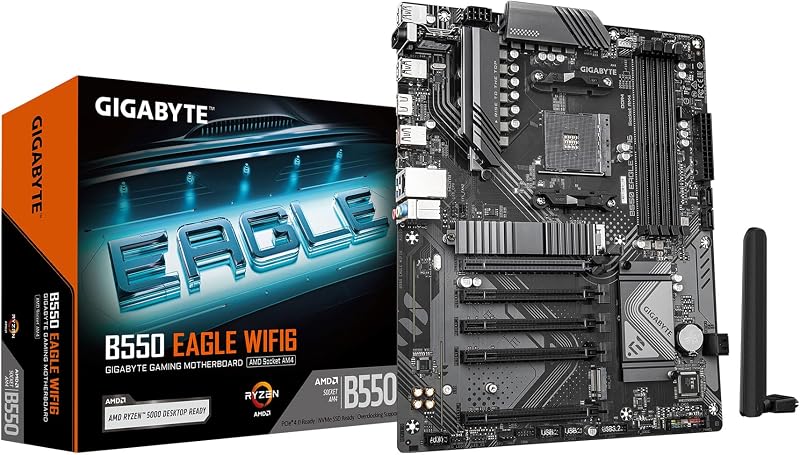
The core distinction deciding between automated algorithmic tuning as discussed in guides like Wang Fam on PBO and a traditional manual overclock is dynamic responsiveness versus static execution. Precision Boost Overdrive (PBO) leverages factory telemetry to adjust operational frequencies and core voltages on a millisecond basis according to thermal headroom and current limits, whereas a manual overclock fixes the processor multiplier and core voltage to a static value across every thread regardless of load severity.
Gamers, everyday desktop users, and mixed-workload creators should choose PBO to preserve peak single-threaded boost clocks and effortless daily stability. Dedicated multi-threaded workstation users and competitive benchmarkers seeking consistent all-core frequencies under sustained heavy compute should choose a manual overclock.

PBO vs Manual Overclock at a Glance
| Attribute | PBO | Manual Overclock |
|---|---|---|
| Tuning Mechanism | Dynamic telemetry-driven algorithmic scaling | Static multiplier and fixed voltage override |
| Single-Threaded Boost Clocks | Maintains maximum factory single-core boost | Limited by lowest common denominator all-core clock |
| Voltage Regulation | Opportunistic dynamic VID based on factory safety algorithms | Fixed static Vcore managed via manual load-line calibration |
| Thermal and Current Guardrails | Maintains PPT, TDC, and EDC tracking protections | Bypasses standard algorithmic guardrails entirely |
| Workload Adaptation | Instant per-millisecond clock adjustments per core | Identical frequency applied to all workloads |
| Configuration Complexity | Low effort via motherboard BIOS toggles | High effort requiring extensive iterative stress testing |
| Idle Power Management | Allows cores to sleep and drop voltage dynamically | Constant voltage and frequency unless C-states remain stable |
| Best For | Gaming, general desktop computing, and mixed productivity | Heavy continuous 3D rendering and competitive benchmarking |
Single-Core Boost Clocks and Gaming Responsiveness
Modern desktop operating systems and video games execute instructions through a blend of light background processes and heavily loaded primary render threads. In daily computing, software rarely burdens all available processor cores simultaneously at maximum capacity. Instead, execution relies on rapid single-thread burst speeds to deliver low frame latency, snappy application launches, and smooth desktop responsiveness. When evaluating precision boost overdrive vs manual oc, this operational behavior forms the foundation of modern processor performance.
PBO excels in these environments because it honors the native boosting parameters engineered into modern central processing units. By lifting motherboard power limits-specifically Package Power Tracking (PPT), Thermal Design Current (TDC), and Electrical Design Current (EDC)-PBO provides the algorithmic headroom necessary for the processor to sustain its highest advertised single-core and dual-core frequencies. When a game concentrates its workload onto one or two cores, PBO pushes those active cores to their absolute ceiling, often reaching hundreds of megahertz beyond what a static all-core overclock can sustain.
Conversely, a traditional manual overclock forces every core to run at the exact same frequency. Because the weakest core on the silicon die dictates the maximum stable frequency for the entire package, you must tune the static multiplier down to a value that all cores can endure simultaneously without crashing. As a result, locking an all-core static frequency sacrifices the factory single-core boost speeds that modern game engines demand. When examining an automatic vs manual litter box comparison, the convenience of automated adaptation consistently outperforms rigid routines, and automated CPU boosting reflects this same operational advantage in mixed-load desktop scenarios.
Edge: PBO provides higher burst frequencies on primary gaming threads while adapting instantly to varying workloads.
Multi-Threaded Rendering Throughput and Heavy Compute
Heavy compute workloads present an entirely different set of operational demands than gaming or general desktop software. Software suites designed for 3D modeling, offline ray tracing, complex video encoding, and scientific simulations utilize every available CPU thread continuously at maximum saturation. When evaluating pbo or manual overclock for rendering, the primary objective shifts away from bursty single-core peaks toward sustaining relentless, immovable clock speeds across all physical cores under continuous high-wattage current.
Under a strict PBO configuration, when an intense multi-threaded AVX load saturates all cores, the processor algorithmic controller detects rapid thermal buildup and elevated electrical draw. To prevent the chip from exceeding thermal throttling thresholds or designated current boundaries, the boosting algorithm automatically steps down operational clock frequencies. This dynamic throttling mechanism preserves silicon health and maintains thermal balance, but it also means that all-core clock rates can fluctuate during lengthy render queues as ambient room temperatures rise or cooling liquid warms up.
A manual all-core overclock eliminates this algorithmic variance. By locking a specific core multiplier and overriding voltage thresholds, the processor executes heavy multi-threaded instructions at an unyielding, fixed frequency from the first frame of a render to the last. For creative professionals working on rigid production deadlines, a stable manual overclock review reveals that fixed frequencies can shave valuable minutes off extended render sequences by preventing opportunistic clock dips. The trade-off between set-and-forget automation and sustained manual calibration echoes the distinctions found in our kamado vs pellet grill analysis, where manual airflow control delivers steady thermal output at the expense of automated convenience.
Edge: Manual Overclock delivers uncompromising, flat-line all-core throughput across heavy continuous render tasks.
Voltage Regulation, Thermal Efficiency, and Power Draw
Voltage delivery directly determines silicon longevity, heat dissipation, and total power consumption. A fundamental consideration in any manual overclock vs pbo assessment is how electrical current is regulated when alternating between low-load idle states and high-load stress states. Processors are sensitive electronic components where sustained high voltage under heavy current can cause electromigration, irreversible silicon degradation, and premature hardware failure.
PBO operates entirely within the microprocessor’s internal telemetry framework, known on modern architectures as Factory Integrated Technology (FIT). FIT monitors temperature, voltage, and current millions of times per second. When the processor is cold and executing light tasks, the algorithm safely injects high voltage for brief single-threaded bursts. When heavy current passes through the silicon during complex multi-core tasks, PBO dynamically drops the voltage to safe thresholds to shield the physical silicon paths from damage. This adaptive behavior keeps idle power consumption low and ensures that thermal output remains strictly proportional to the actual work performed.
In contrast, configuring a manual overclock requires setting a static core voltage (Vcore) combined with an aggressive Load-Line Calibration (LLC) profile to combat transient voltage droop under load. If you dial in a fixed voltage to maintain stability during heavy rendering, that static voltage is continuously supplied to the processor even when browsing the web or typing a document. Over time, exposing the processor to constant elevated voltage creates higher thermal baselines and unnecessary power draw. Balancing algorithmic safety parameters against hands-on voltage fine-tuning resembles the machine-driven versus manual trade-offs explored in our de’longhi dedica vs magnifica comparison, where streamlined automation minimizes user error.
Edge: PBO protects silicon health by dynamically managing voltage under active factory current limits.
Curve Optimizer Flexibility and Granular Tuning Control
Tuning enthusiasts often assume that automated systems eliminate user control, but modern firmware architectures have expanded PBO capabilities through features like Curve Optimizer. When analyzing pbo curve optimizer vs manual overclock configurations, the modern implementation of PBO bridges the gap between hands-off automation and enthusiast-level micro-tuning, allowing users to modify the internal voltage-frequency curve rather than merely accepting stock boundaries.
Curve Optimizer enables the user to apply a positive or negative voltage offset across individual processor cores or the entire die. By applying a negative offset, you instruct the internal boosting algorithm to request less voltage for any given target frequency. Because less voltage results in reduced heat generation, the processor automatically detects extra thermal and electrical headroom, prompting the PBO algorithm to boost to higher frequencies for longer durations. This granular undervolting capability extracts enhanced multi-core throughput while actively increasing peak single-core clock speeds, delivering the benefits of manual tuning without forfeiting dynamic safety controls.
A manual all-core overclock lacks this per-curve intelligence. Tuning a static clock is a blunt instrument: you pick one multiplier and one voltage setting to govern all workload scenarios across every individual core. If one core suffers from poor silicon quality, the entire processor must be restricted to the stable ceiling of that single underperforming core. Navigating granular BIOS settings instead of relying on default power profiles presents a dynamic similar to our breville barista pro vs de’longhi magnifica guide, weighing meticulous custom adjustments against smart built-in optimization.
Edge: PBO combines safe automated ceiling adjustments with granular per-core Curve Optimizer undervolting.
System Stability, Idle Power, and Daily Reliability
Achieving absolute system stability separates a successful performance tune from a frustrating computing experience. When addressing cpu stability pbo vs manual oc, users must evaluate not only peak stress-test reliability but also everyday computing stability, including sudden load transitions, wake-from-sleep states, and light background operations that often trigger unexpected blue-screen errors.
PBO offers near-flawless stability out of the box because it does not attempt to force static operational states. By leaving the factory telemetry intact, PBO allows the operating system to dynamically park idle cores, reduce voltages down below normal operating thresholds when idling, and quickly ramp power when demanding tasks arise. Even when tweaking PBO limits, the processor retains its built-in safety mechanisms, meaning unstable settings generally result in transient throttling rather than catastrophic operating system crashes or corrupted boot records.
Achieving verified stability with a manual overclock requires dozens of hours devoted to synthetic stress tests, error checking, and thermal monitoring. An overclock that passes an intense AVX stress test can still crash during a light task like web browsing due to transient voltage spikes or insufficient idle voltage. Furthermore, as thermal paste dries and ambient temperatures change throughout the seasons, an overclock that was stable in winter may become unstable in summer. Evaluating whether manual clock stability justifies constant testing mirrors the enthusiast calibration seen in our delonghi-magnifica-vs-gaggia-classic-pro breakdown, highlighting how hands-on maintenance appeals strictly to dedicated hobbyists. When asking is manual overclock worth it for daily use, the extensive testing requirement proves difficult to justify for non-competitive environments.
Edge: PBO ensures rock-solid operating system stability across transient and idle states without endless stress testing.
Pros and Cons
PBO

Pros
- Preserves maximum single-core boost frequencies
- Dynamic voltage scaling protects silicon health
- Low idle power consumption and heat
- Minimal setup time with zero stability validation
Cons
- Slightly lower sustained all-core rendering clocks
- Clock speeds fluctuate with thermal headroom
View Wang Fam on PBO on Amazon
Manual Overclock
Pros
- Consistent all-core frequencies during heavy compute
- Eliminates algorithmic clock fluctuating
- Maximum potential score in static benchmarks
Cons
- Sacrifices peak single-threaded boost performance
- Requires tedious stability and voltage testing
- Higher risk of silicon degradation over time
Who Should Buy Each One
Choose PBO If
- You prioritize peak frame rates and smooth frame pacing in modern video games.
- You want high-performance tuning with zero risk of catastrophic instability or corrupted data.
- You want your processor to draw minimal power and generate low heat while browsing or idling.
- You prefer leveraging granular per-core undervolting through Curve Optimizer rather than setting static voltages.
Choose Manual Overclock If
- Your primary workflow consists of continuous, all-core rendering or high-density video exports.
- You compete in hardware benchmarking leagues where static clock consistency yields higher multi-core scores.
- You operate dedicated custom liquid-cooling loops capable of managing sustained high wattage without throttling.
- You run older processor architectures where factory algorithmic boosting features are less refined.
Final Verdict
For the vast majority of PC gamers, digital creators, and general hardware enthusiasts, PBO is the superior tuning methodology. Modern silicon architecture is fundamentally designed around dynamic telemetry, opportunistic voltage scaling, and microsecond frequency adjustments. PBO works in harmony with these architectural features, granting the processor additional thermal and power headroom to sustain maximum single-core boost frequencies while dynamically optimizing all-core performance. Through features like Curve Optimizer, users can extract impressive performance gains, lower system temperatures, and maintain reliable daily operation without ever compromising the safety protections engineered into the CPU.
A manual overclock remains a specialized tool for competitive benchmarkers and dedicated rendering workstations. If your primary objective is locking all cores to an unyielding frequency to eliminate clock fluctuations during hours of uninterrupted multi-threaded compute, manual configuration provides the exact, flat-line execution you require. However, for anyone outside of dedicated compute environments, sacrificing high single-threaded boost clocks and spending hours validating static voltage stability is rarely worth the trade-off. For daily gaming, mixed productivity, and dependable stability, PBO remains the clear choice.
FAQ
Does enabling PBO void my CPU warranty?
Enabling Precision Boost Overdrive technically operates outside of official AMD reference specifications, and motherboards typically display a warning acknowledging that running the feature can void standard warranty terms. However, because PBO relies on internal processor telemetry and retains factory protection limits against catastrophic over-voltage, the practical risk to the physical silicon remains minimal compared to traditional manual voltage overrides.
Is manual overclock worth it on modern processors?
For the typical gamer or mixed-workload desktop user, manual overclocking is generally not worth the effort on modern processors. Modern microprocessors already boost aggressively near their architectural limits out of the box. Setting a manual static overclock usually forces you to lower your maximum single-core boost frequencies, resulting in reduced performance in gaming and light desktop workloads.
What is the main difference between PBO and an all-core overclock?
The primary difference in a pbo vs all core overclock comparison is dynamic adaptability versus static locking. PBO dynamically scales frequencies and voltages up and down based on workload demand, temperatures, and power consumption, preserving single-core boost. An all-core manual overclock locks every core to a single static frequency and fixed voltage regardless of whether the system is idling or executing heavy tasks.
Which approach is better for PC gaming?
When deciding between pbo or manual overclock for gaming, PBO is distinctly better. Modern video games rely heavily on high single-core and lightly threaded burst speeds on primary render threads. PBO allows active gaming cores to boost to maximum factory ceilings, whereas a manual overclock restricts all cores to a lower common frequency ceiling to maintain multi-core stability.
Can a manual overclock degrade silicon faster than PBO?
Yes, an aggressive manual overclock carries a higher risk of silicon degradation. When you set a high static Vcore, the processor receives constant electrical voltage even during light tasks. PBO, by contrast, relies on factory telemetry to dynamically lower voltage during heavy current draw, protecting the microscopic silicon traces from electromigration and excessive thermal stress.
Does PBO increase power consumption and system heat?
Enabling PBO increases power consumption and heat output only when the processor is placed under moderate to heavy multi-threaded loads. Because PBO raises the PPT, TDC, and EDC limits, the chip consumes more wattage to sustain higher clock rates. However, during idle and light desktop usage, the processor continues to drop voltage and enter low-power sleep states normally.