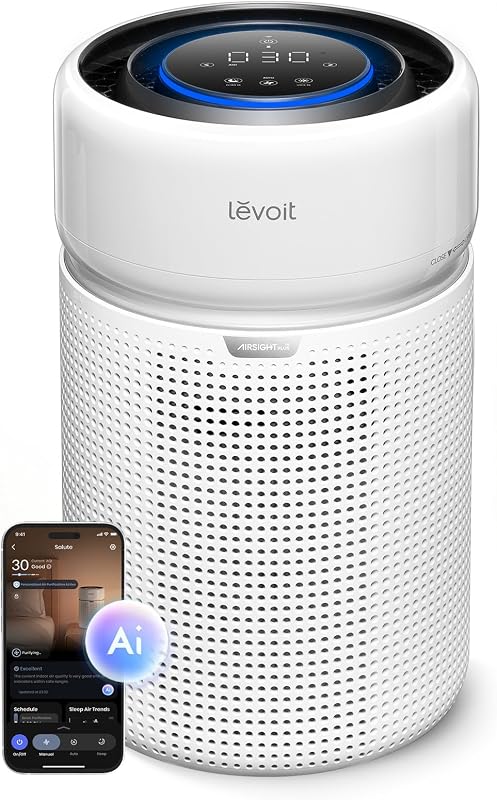
Choosing between an autonomous robotic cleaner and a manual upright broom comes down to a fundamental trade-off: scheduled, hands-free floor maintenance versus immediate, multi-surface cleaning versatility. A robotic platform navigates floors independently to eliminate dust daily, whereas a handheld or stick cleaner gives you direct physical control to target stairs, upholstery, tight corners, and sudden dry spills.
Homeowners who want to automate routine floor sweeping and mopping across open floor plans should invest in a robot vacuum, while those needing a lightweight, adaptable tool for multi-level homes, staircases, and elevated surfaces should select a stick vacuum.


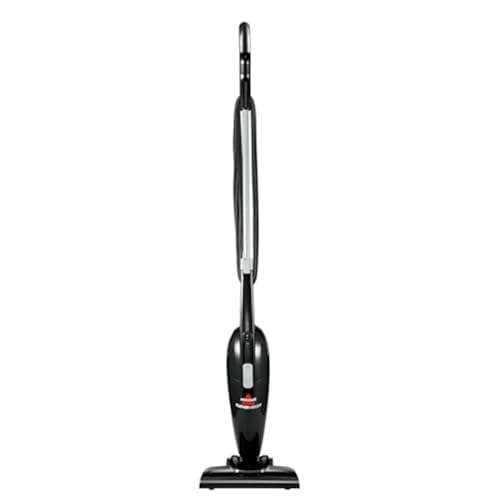
Robot Vacuum vs Stick Vacuum at a Glance
| Feature | Robot Vacuum | Stick Vacuum |
|---|---|---|
| Form Factor | Disc-shaped autonomous floor robot | Ultra-lightweight 3-in-1 convertible stick |
| Power Source | Rechargeable Lithium-Ion battery | Corded electric (120V) |
| Runtime / Reach | 100 to 140 minutes per charge | 15 to 18-foot power cord |
| Dust Capacity | Up to 3-liter bag in self-empty dock | 0.6 to 0.67-liter onboard dust cup |
| Suction Power | 15,000 Pa or 70X power-lifting suction | 1.4A to 2A motor (240W to 2033W) |
| Navigation & Steering | LiDAR sensor mapping and obstacle avoidance | Manual handle control and swivel steering |
| Operating Noise | 54.89 dB quiet operation | 67 dB to 84 dB |
| Mopping System | HydroJet roller or SmartScrub vibrating pad | Not listed (dry vacuuming only) |
| Stairs & Above-Floor | Restricted to flat floors by cliff sensors | Converts to handheld and dedicated stair vacuum |
| Best For | Automated daily hard floor and carpet care | Quick spot pickups, stairs, and furniture cleaning |
Autonomy and Daily Cleaning Automation
The primary appeal of autonomous cleaning lies in reclaiming personal time. Modern robotic cleaners operate around pre-programmed schedules, initiating and completing full-floor sweep cycles while you are at work, running errands, or asleep. Navigation systems like ClearView LiDAR map household layouts in minutes, enabling systematic row-by-row cleaning patterns rather than random bumping. For example, the iRobot Roomba 105 Combo utilizes advanced sensor arrays that actively detect and avoid carpets during wet mopping runs while steering reliably around everyday room obstacles. Advanced platforms like the eufy C28 expand on this by detecting obstacles as small as 3x3x3 centimeters, ensuring toys, pet bowls, and stray shoes do not interrupt the cleaning cycle.
By comparison, a stick vacuum is an active, labor-intensive appliance. Whether you are running a routine pass across the living room rug or picking up spilled baking flour in the kitchen, the machine requires continuous manual guidance. Models such as the Eureka Blaze feature smooth swivel steering to improve physical maneuverability around chair legs and entertainment centers, but you must still push, pull, and guide the nozzle across every square foot of flooring. For shoppers evaluating a broader lidar vs camera navigation robot vacuum comparison, the benefit of automated floor mapping is that you trade physical pushing for occasional software scheduling.
This autonomy difference directly alters how clean your floors stay throughout the week. A robotic vacuum maintains an unbroken baseline of daily cleanliness by picking up lint, dander, and fine dust before it can accumulate. A stick vacuum requires motivation and manual effort, meaning cleaning sessions happen reactively after messes become visually distracting.
Edge: Robot Vacuum autonomously follows daily schedules and navigates obstacles without requiring physical manual labor.
Stairs, Above-Floor Cleaning, and Versatility
Where robotic floor cleaners fall short is three-dimensional versatility. Because autonomous units rely on wheels and flat-surface navigation, their operational environment is strictly limited to single horizontal planes. In fact, safety sensors like the cliff detection built into the Roomba 105 Combo deliberately stop the robot from crossing edges to prevent it from falling down staircases. A robot vacuum cannot clean sofa cushions, drapes, vehicle upholstery, mattress surfaces, or carpeted steps.
Convertible stick vacuums excel precisely where robotic cleaners cannot operate. The Bissell 2033M Featherweight weighs under 4 pounds and features a specialized 3-in-1 modular chassis. By detaching the metal extension wand, the unit transforms into an agile handheld vacuum for countertops or a dedicated stair vacuum utilizing its targeted floor nozzle. Similarly, the Eureka Blaze incorporates an onboard crevice tool that snaps directly into the motor housing, allowing you to reach between couch cushions, clear cobwebs from ceiling corners, and vacuum narrow baseboard crevices that standard robot side-brushes miss.
When reviewing the trade-offs of a cordless vs corded vacuum architecture alongside modular designs, having continuous power paired with a lightweight 4-pound frame allows you to carry the vacuum up and down flights of stairs without fatigue. When it comes to cleaning a multi-level home or handling above-floor chores, a manual stick vacuum is indispensable.
Edge: Stick Vacuum easily converts into a handheld unit to vacuum carpeted stairs, car interiors, furniture, and baseboards.
Suction Power, Deep Cleaning, and Pet Hair Management
Managing pet hair and deeply embedded carpet debris requires concentrated airflow and anti-tangling brush roll mechanics. In robotic designs, manufacturers pack heavy suction and specialized brush geometry into low-profile housings. The eufy C28 generates an impressive 15,000 Pa of turbo suction, automatically boosting airflow when its sensors detect carpeting to extract embedded kibble, dander, and grit. It also incorporates a DuoSpiral brush system tested to handle hair up to 30 centimeters in length without wrapping around the roller, directly solving the brush-clogging issues common in busy multi-pet households. Similarly, the Roomba 105 Combo features a 4-stage cleaning mechanism boasting 70X power-lifting suction paired with an edge-sweeping brush and multi-surface roller.
Stick vacuums approach suction through high-wattage electric motors and streamlined, direct airpaths. The Eureka Blaze runs on a 2-amp, 240-watt motor equipped with a specialized capture nozzle designed to draw in larger debris rather than snowplowing it across hard surfaces. The Bissell Featherweight employs a 1.4-amp motor to lift surface grit from area rugs and hard flooring. However, these compact stick vacuums often rely on straight-suction nozzles without motorized, high-speed rotating brush beaters. While they effectively pull up surface-level dog hair and light crumbs from hard surfaces, they do not agitate medium-pile carpet fibers as aggressively as robotic rollers or full-sized uprights.
For pet owners deciding between a robotic cleaner or a stick model, hair handling is the key differentiator. While a stick vacuum lets you lift hair directly from pet beds and chair cushions, a high-end robot cleaner actively combs long strands from your floor every single afternoon without hair choking the roller. If you have tracked models across a shark ion r85 vs iq robot matchup, you know how crucial automated roller maintenance is for keeping suction channels clear.
Edge: Robot Vacuum provides motorized roller agitation, tangle-free brush designs, and automatic carpet suction boosting.
Maintenance Frequency and Dirt Disposal Systems
The daily user experience of any vacuum cleaner depends heavily on how often you must empty debris and wash out filtration media. Traditional stick vacuums use compact, bagless dust canisters integrated directly onto the handheld handle to keep the overall weight low. The Eureka Blaze houses a 0.6-liter dust cup, while the Bissell Featherweight offers a 0.67-liter capacity. Both feature transparent bins that allow you to monitor dirt levels, but because the capacities are modest, a single pass through a dusty living room or shedding pet area quickly fills the chamber. Emptying requires unlatching the cup over a household trash bin, which can release a plume of fine particulate back into the air.
Modern robot vacuums minimize contact with dust through comprehensive docking stations. The Roomba 105 Combo docks into an AutoEmpty base that pulls debris into a sealed collection bag capable of holding up to 75 days of household dirt while capturing 99% of allergens down to 0.7 microns. The eufy C28 pushes self-sufficiency even further with its multi-functional Omni Station: it empties the robot into a 3-liter bag for 75 days of hands-free operation, automatically washes the HydroJet mopping roller, applies 50°C hot air drying to prevent mildew, and collects dirty wastewater into a separate tank. Those weighing a self-emptying vs standard robot vacuum configuration will appreciate how self-cleaning docks eliminate nearly 95% of routine floor maintenance.
While the stick vacuum requires zero dock maintenance, it forces you to empty dirt cups manually every one to two cleaning sessions. The automated docking bases of premium robot vacuums turn debris management into a quarterly task rather than a daily chore.
Edge: Robot Vacuum features multi-week automated dirt disposal and self-washing docking stations that trap fine allergens.
Mopping Capability and Wet Mess Handling
Floor maintenance often involves sticky spills, muddy footprints, and dried kitchen splatters that dry suction cannot remove. Standard stick vacuums like the Eureka Blaze and Bissell Featherweight are strictly dry appliances; their motors and paper-foam filters are designed exclusively to pull up loose grit, lint, and dry particles. Vacuuming liquids or wet kitchen residue with these units can ruin the motor and clog the internal foam filtration assembly.
Conversely, many contemporary robot vacuums serve double duty as dedicated wet mops. The eufy C28 features a 28-centimeter HydroJet roller system that spins at 270 RPM while being continuously fed fresh water through 24 individual ports. An integrated scraper removes dirty water into an isolated internal tank nine times per second, ensuring the mop never smears grime across your hard floors. Furthermore, when transitioning from wood to short wool carpets, the robot automatically lifts its wet roller 10.8 millimeters to keep rug fibers dry. The Roomba 105 Combo utilizes a micro-pump to keep its microfiber pad evenly saturated, offering SmartScrub settings for 2X deeper scrubbing along with automatic carpet avoidance sensors.
For homes with extensive hardwood, laminate, or tile flooring, the inclusion of an active mopping system fundamentally separates robot vacuums from budget stick vacuums. The ability to scrub dried paw prints and beverage spills alongside standard vacuuming gives robotic systems a decisive advantage in overall hard floor maintenance.
Edge: Robot Vacuum offers active, motorized wet mopping with carpet-avoidance sensors and self-cleaning roller systems.
Maneuverability, Noise, and Apartment Living
Physical footprint, navigation clearance, and operational noise dictate how seamlessly a vacuum integrates into smaller apartments and tight living quarters. Stick vacuums are uniquely suited for crowded spaces. Weighing under 4 pounds with narrow cleaning paths-9.44 inches on the Eureka Blaze-these slim electric brooms slide effortlessly between barstools, behind tight desk setups, and into narrow laundry room gaps. When cleaning is complete, their slender upright profile hangs easily in a closet or tucks behind a bedroom door without dominating floor space.
Robot vacuums require dedicated floor real estate for their charging docks, with clear approach zones on either side so the LiDAR sensors can locate home base. In a micro-apartment packed with floor clutter, dining chairs, and loose cables, a robot can struggle to navigate cleanly without getting trapped. However, robot vacuums operate at a fraction of the noise generated by corded stick motors. The eufy C28 runs at an ultra-quiet 54.89 dB, allowing you to run it while participating in video conference calls or sleeping. In contrast, the Eureka Blaze operates at 84 dB, while the Bissell Featherweight registers at 67 dB, creating noticeable household noise close to ear level.
For shoppers exploring versatile floor cleaners like the options seen in a dyson vs tineco brand comparison, physical clearance and storage footprint remain primary considerations. If you have a small apartment packed with furniture, the instant deployment and easy storage of an under-4-pound stick vacuum often outshines the complex docking requirements of a robot.
Edge: Stick Vacuum requires no dedicated floor docking space and maneuvers effortlessly through tight, furniture-dense layouts.
Pros and Cons
Robot Vacuum

Pros
- Up to 75 days hands-free dock maintenance
- Autonomous LiDAR navigation and obstacle avoidance
- Integrated wet mopping with automatic pad lifting
- Quiet operation under 55 dB
Cons
- Cannot clean stairs furniture or car interiors
- Requires dedicated floor space for docking stations
View eufy C28 Robot Vacuum Cleaner on Amazon
Stick Vacuum

Pros
- 3-in-1 handheld conversion for stairs and furniture
- Ultra-lightweight builds weighing under 4 pounds
- Continuous corded power without battery degradation
- Immediate spot pickup without mapping cycles
Cons
- Requires manual physical pushing and guidance
- Small dust cups needing frequent emptying
View Eureka Blaze Stick Vacuum Cleaner Powerful on Amazon
Who Should Buy Each One
Choose the Robot Vacuum If
- You want daily floor maintenance automated on a set schedule so your floors are clean before you arrive home from work.
- You live in a single-level home or an open-concept layout with expansive hard floors, tile, and low-pile rugs.
- You own shedding pets and require continuous floor sweeping alongside motorized brush rollers that resist long hair tangles.
- You prefer minimal interaction with household dust, utilizing multi-week self-emptying docks that trap fine debris automatically.
Choose the Stick Vacuum If
- You need an agile, under-4-pound tool to clean carpeted staircases, vehicle seats, couches, and overhead corners.
- You live in a compact apartment or multi-story townhouse where carrying a heavy machine between levels is impractical.
- You want immediate spot-cleaning capability to sweep up kitchen spills or dry messes instantly without configuring smartphone maps.
- You prefer a simple, corded machine that provides continuous power without battery runtime limits or software updates.
Final Verdict
For the vast majority of busy households, the modern robot vacuum delivers a transformative upgrade in domestic cleanliness. By taking over the daily grind of floor sweeping and wet mopping, units equipped with LiDAR mapping, automatic carpet-lifting, and self-emptying docking stations eliminate dust buildup before it becomes visible. The ability to run silently in the background at under 55 dB while trapping allergens inside sealed 75-day dock bags makes the robot vacuum the superior tool for automated whole-home maintenance.
However, an autonomous robot cannot clean your carpeted stairs, car upholstery, sofa cushions, or sudden localized kitchen spills. A lightweight 3-in-1 stick vacuum remains an essential, highly practical tool for multi-level homes, tight apartments, and above-floor cleaning tasks. While a robot vacuum wins for hands-free floor maintenance, keeping a compact stick vacuum in the closet ensures you can tackle any stair, furniture, or quick-pickup emergency in seconds.
FAQ
Can a robot vacuum completely replace a stick vacuum?
A robot vacuum cannot completely replace a stick vacuum because robotic cleaners are physically restricted to flat horizontal floors. They cannot climb stairs, clean car interiors, or convert into handheld units to vacuum sofa cushions, mattresses, and window sills. Many homes achieve the best results by pairing an autonomous robot for daily floor sweeping with a lightweight stick vacuum for targeted above-floor cleaning.
Which is better for stairs, a robot vacuum or stick vacuum?
A stick vacuum is vastly superior for stairs. Robot vacuums feature cliff-detection sensors that actively prevent them from driving over edges, meaning they cannot clean individual steps. A convertible 3-in-1 stick vacuum weighs under 4 pounds and quickly switches to a handheld mode with a dedicated stair nozzle, allowing you to clean risers and treads quickly and safely.
Is a robot vacuum worth it for homes with shedding pets?
A robot vacuum is exceptionally beneficial for pet owners because it runs on automated daily schedules to pick up hair, dander, and dried litter before it spreads throughout the home. Advanced models feature anti-tangling rollers that handle hair strands up to 30 centimeters without wrapping around the brush, paired with high-suction motors that automatically boost airflow over rugs.
Is a stick vacuum worth it if I already own a robot cleaner?
Yes, a stick vacuum is worth owning alongside a robot cleaner. While your robot handles regular daily floor runs, a lightweight stick vacuum allows you to address sudden dry spills instantly without waiting for a robot to undock and navigate. It also provides the handheld reach necessary to clean baseboards, upholstery, car seats, and stairs that robotic units cannot reach.
How does suction power compare between robot vacuums and stick vacuums?
Modern robot vacuums generate impressive static suction, reaching up to 15,000 Pa with motorized multi-surface rollers and automatic carpet boost features. Stick vacuums utilize direct-airflow corded electric motors drawing between 1.4 and 2 amps. While corded stick vacuums excel at pulling larger dry debris through wide capture nozzles, robotic vacuums provide deeper fiber agitation on carpets thanks to their high-speed motorized brush rolls.
Which option works best for a small apartment?
For a very small apartment or dorm room, a lightweight stick vacuum is often more practical. Stick vacuums weigh under 4 pounds, steer easily around dense furniture arrangements, and can be stored flat or hung in a closet. Robot vacuums require permanent floor space for their charging docks and can struggle to navigate tight rooms packed with chairs and floor clutter.