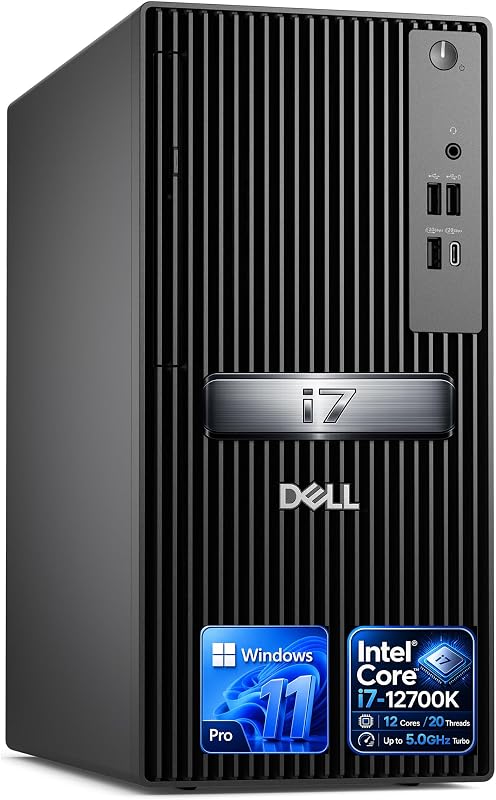
The single technical difference that decides this comparison is cache architecture: the Ryzen 7 5800X3D integrates AMD 3D V-Cache technology to furnish an enormous 100 MB cache pool designed to maximize gaming frame rates, whereas the Ryzen 5 5600X uses a standard 35 MB cache configuration matched with a lower thermal profile.
Choose the AMD Ryzen 5 5600X if you want an efficient 65-watt processor with an included cooling fan for mainstream desktop workloads. Choose the AMD Ryzen 7 5800X3D if your goal is getting maximum gaming performance out of an existing Socket AM4 motherboard using dedicated 8-core processing power.


AMD Ryzen 5 5600X vs AMD Ryzen 7 5800X3D at a Glance
| Attribute | AMD Ryzen 5 5600X | AMD Ryzen 7 5800X3D |
|---|---|---|
| Processor Series | Ryzen 5 | Ryzen 7 |
| Cores / Threads | 6 Cores / 12 Threads | 8 Cores / 16 Threads |
| Max Boost Clock | 4.6 GHz | 4.5 GHz |
| Cache Memory | 35 MB (4 MB secondary cache) | 100 MB (with 3D V-Cache) |
| Thermal Power (Wattage) | 65 Watts | 105 Watts |
| Bundled Thermal Solution | AMD Wraith Stealth cooler | Cooler not included |
| Overclocking Status | Unlocked | The listing does not specify |
| Memory Support | DDR4 / DDR-3200 | DDR4-3200 |
| PCIe Compatibility | PCIe 4.0 on X570 and B550 | PCIe 4.0 on X570 and B550 |
| Platform Socket | Socket AM4 | Socket AM4 |
| Supported Operating Systems | Linux, Windows | Windows |
| Best For | Low-draw builds and mainstream desktop use | Demanding high-refresh gaming on Socket AM4 |
Cache Architecture and Gaming Capabilities
The operational divide between these two desktop processors begins at the memory hierarchy. In modern desktop hardware, cache memory acts as an ultra-fast buffer between the execution cores and system memory. When deciding between the Ryzen 5 5600X or Ryzen 7 5800X3D for gaming, cache capacity directly affects how often the computing cores must wait for data from DDR4 RAM. The 5600X incorporates 35 MB of total cache, which includes 4 MB of secondary cache, providing ample throughput to sustain 100+ FPS in mainstream desktop games.
The 5800X3D radically changes this equation with the debut of AMD 3D V-Cache technology, delivering a massive 100 MB total cache configuration that includes 96 MB of L3 cache. Stacking physical cache vertically onto the compute die allows the execution units instant access to vastly larger data sets. In real-world computing, this 5600X vs 5800X3D cache difference means physics engines, complex game simulations, and high-frequency asset calls can remain resident directly on the chip instead of requesting data across the system bus.
For high-refresh competitive displays where minimum frame times dictate smooth visuals, the Ryzen 7 5800X3D gaming performance pulls ahead dramatically in heavily CPU-bound scenarios. While the 5600X maintains solid output across standard titles, the sheer density of stacked cache on the 5800X3D insulates gaming sessions against sudden frame drops caused by streaming memory assets.
Edge: AMD Ryzen 7 5800X3D. Its 100 MB cache configuration featuring 3D stacking delivers almost triple the total buffer space of the standard desktop design.
Core Count and Multithreaded Processing
Core configuration determines how effectively a desktop chip manages simultaneous background tasks, heavy application workloads, and modern compute-heavy game engines. When examining the Ryzen 7 5800X3D vs AMD Ryzen 5 5600X, the physical core count presents a noticeable structural separation. The 5600X operates with 6 physical cores and 12 processing threads, positioning it as an agile mainstream processor capable of managing modern multitasking, streaming, and productivity software without latency spikes.
The 5800X3D steps forward with 8 physical cores and 16 processing threads, increasing parallel processing headroom by 33 percent. While modern gaming engines have historically prioritized single-core instruction throughput, modern titles and mixed-use desktop tasks increasingly assign background simulation, asset loading, and runtime drivers across eight discrete cores. Those evaluating other models in our amd ryzen 5 5600x vs ryzen 7 5800x comparison will notice a similar processing tier shift when stepping up to eight cores.
For users who intend to run productivity software, background encoding software, and modern multi-threaded production software, having 16 concurrent threads provides greater stability under load. The 5600X remains fully capable for everyday production, but heavy multi-threaded tasks will finish faster on the 8-core design simply due to raw execution resources.
Edge: AMD Ryzen 7 5800X3D. An 8-core and 16-thread physical design provides wider compute capacity for multi-threaded workloads than a 6-core chip.
Power Consumption, Thermal Overhead, and Cooling Solutions
Thermal specifications and operational power draw define what accessories, enclosures, and cooling solutions are required to run each component reliably. The Ryzen 5 5600X power consumption is officially rated at a conservative 65 watts, making it an exceptionally gentle chip for system thermals and power delivery. AMD bundles the quiet, capable AMD Wraith Stealth cooler in the box, meaning the 5600X arrives ready to install and operate without requiring an external thermal purchase.
By contrast, the 5800X3D is rated at 105 watts. Because stacking physical 3D cache directly over the silicon die introduces unique thermal density challenges, the listing explicitly notes that a cooler is not included and a high-performance cooler is recommended. To maintain optimal operating conditions, users must supply an aftermarket liquid cooler or heavy-duty air heatsink. Those researching simpler setups in our amd ryzen 5 5600 vs 5600x breakdown will appreciate the complete, all-in-one packaging convenience that the 65W class brings.
The operational cost of thermal management strongly favors the 5600X for builders prioritizing simplicity. Compact small-form-factor cases and entry-level power supplies handle a 65W processor without thermal throttling, while the 105W envelope of the 5800X3D demands adequate case ventilation and robust aftermarket hardware to prevent temperature thresholds from limiting clock frequencies.
Edge: AMD Ryzen 5 5600X. A 65-watt power specification paired with an included Wraith Stealth cooler eliminates additional cooling requirements and keeps case thermals minimal.
Boost Frequency and Tuning Capabilities
Processor frequency dictates the speed at which individual compute units execute instructions, directly shaping single-threaded responsiveness and general desktop agility. In any comprehensive AMD Ryzen 5 5600X review, single-core speed stands out: the 5600X reaches a 4.6 GHz Max Boost clock. Furthermore, the 5600X specification confirms it is completely unlocked for overclocking, allowing builders with compatible motherboards to tune voltages, clock multipliers, and memory sub-timings to maximize speed.
The 5800X3D operates at a slightly reduced 4.5 GHz Max Boost clock. Stacking the additional silicon layers required for 3D V-Cache limits maximum thermal and voltage tolerances, which restricts top boost frequencies. When analyzing 5800X3D vs 5600X benchmark evaluations across single-threaded production tasks that do not benefit from huge cache allocations, this 100 MHz clock deficit and standard tuning constraints can place the 5800X3D slightly behind conventional silicon. More details on how standard silicon clocks compare can be found in our amd ryzen 7 5800x vs 5800x3d guide.
For power users who enjoy dialing in custom overclocks and optimizing core-by-core behavior, the 5600X provides broader experimental freedom. The listing does not specify overclocking support for the 5800X3D, reflecting its pre-configured, cache-focused architecture. Those prioritizing higher raw clock speeds out of the box will find the 5600X technically ahead on maximum boost frequency.
Edge: AMD Ryzen 5 5600X. It delivers a higher 4.6 GHz boost clock and features unlocked multiplier controls for user-directed overclocking.
Socket AM4 Longevity and Upgrade Trajectory
Both processors share the established Socket AM4 architecture, supporting DDR4-3200 system memory and enabling PCIe 4.0 connectivity when installed on AMD X570 and B550 motherboards. However, the exact role each processor plays in a long-term hardware plan differs significantly. Anyone planning a Ryzen 5 5600X vs 5800X3D AM4 upgrade must weigh whether they are building a practical everyday setup or squeezing the ultimate gaming longevity out of an aging motherboard platform.
The 5600X serves as a foundational mainstream platform chip. It provides an efficient pathway to DDR4 desktop performance, supporting both Linux and Windows operating environments. The 5800X3D, on the other hand, was engineered specifically to stand as the definitive peak gaming processor for the Socket AM4 socket. When determining is Ryzen 7 5800X3D worth it, the answer depends entirely on your existing components: dropping this chip into an existing B550 or X570 motherboard revitalizes a machine with flagship-tier gaming output without requiring a new motherboard or DDR5 memory kit. Similar upgrade dilemmas are explored in our amd ryzen 7 5700x vs 5800x3d analysis.
For builders seeking maximum lifespan out of their existing AM4 hardware, the 5800X3D is the superior terminal endpoint. While a detailed Ryzen 7 5800X3D review highlights its single-purpose focus on gaming frame rates, that specialization extends the viability of a Socket AM4 desktop for years. When users contemplate whether to invest in modern workstation parts like those in our amd ryzen 7 5800x3d vs ryzen 9 5900x comparison, the 5800X3D remains unmatched in pure gaming longevity on this platform.
Edge: AMD Ryzen 7 5800X3D. It serves as the ultimate drop-in gaming endpoint for existing Socket AM4 motherboards, prolonging system relevance.
Pros and Cons
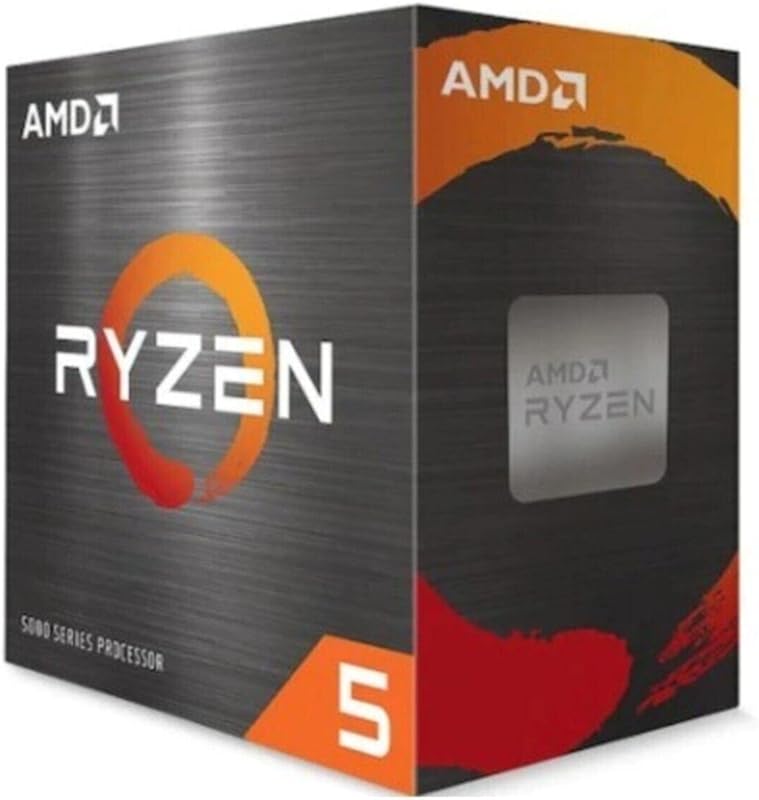
AMD Ryzen 5 5600X
Pros
- Efficient 65-watt thermal profile
- Includes AMD Wraith Stealth cooler
- Higher 4.6 GHz max boost clock
- Unlocked for overclocking
- Supports both Linux and Windows
Cons
- Limited to 6 cores and 12 threads
- Standard 35 MB cache without 3D stacking
View AMD Ryzen 5 5600X on Amazon
AMD Ryzen 7 5800X3D

Pros
- Massive 100 MB cache configuration
- Advanced AMD 3D V-Cache stacking
- 8 physical cores and 16 threads
- Peak gaming performance on AM4
- PCIe 4.0 support on B550 and X570
Cons
- Requires separate high-performance cooler
- Higher 105-watt power draw
- Slightly lower 4.5 GHz boost clock
View AMD Ryzen 7 5800X3D on Amazon
Who Should Buy Each One
Choose the AMD Ryzen 5 5600X If
- You want a ready-to-run package with the AMD Wraith Stealth cooler included in the box.
- You are building a compact or energy-efficient desktop that benefits from a modest 65W thermal design.
- You want an unlocked processor that hits a 4.6 GHz maximum boost clock for single-threaded tasks.
- You need broad out-of-the-box OS compatibility spanning both Linux and Windows installations.
Choose the AMD Ryzen 7 5800X3D If
- You want maximum gaming frame rates powered by 100 MB of cache with 3D stacking technology.
- You already own a Socket AM4 motherboard (such as B550 or X570) and want the fastest gaming CPU available for the socket.
- You play simulation, strategy, or high-refresh competitive games that are heavily limited by CPU cache.
- You have an existing high-performance aftermarket thermal solution capable of cooling a 105W processor.
Final Verdict
For most desktop builders seeking a balanced, low-maintenance daily setup, the AMD Ryzen 5 5600X remains the most practical selection. Operating at a modest 65-watt profile with an included Wraith Stealth cooler, 6 cores, 12 threads, and a 4.6 GHz maximum boost clock, it covers mainstream gaming, general productivity, and everyday computing with minimal power requirements and zero need for aftermarket cooling purchases.
However, if your primary goal is achieving peak gaming frame rates on the Socket AM4 platform, the AMD Ryzen 7 5800X3D is the clear winner. Its groundbreaking 100 MB cache configuration featuring 3D V-Cache and expanded 8-core, 16-thread architecture eliminate memory bottlenecks in demanding games, making it the ultimate drop-in gaming upgrade for users with a capable cooler and a B550 or X570 motherboard.
FAQ
Can I use the Wraith Stealth cooler with the Ryzen 7 5800X3D?
No, the listing does not include a cooler with the Ryzen 7 5800X3D and explicitly recommends a high-performance thermal solution to handle its 105-watt power specification. The Wraith Stealth cooler bundled with the Ryzen 5 5600X is designed for 65-watt thermal envelopes.
Do both processors support PCIe 4.0 graphics and storage?
Yes, both processors are built for the advanced Socket AM4 platform and can support PCIe 4.0 lanes when paired with compatible X570 and B550 motherboards.
What memory speeds do the 5600X and 5800X3D officially support?
Both models officially support DDR4 system memory at speeds up to DDR4-3200 (listed as DDR-3200 for the 5600X).
Is the Ryzen 7 5800X3D unlocked for overclocking?
The product listing notes that the Ryzen 5 5600X is unlocked for overclocking, but it does not specify overclocking support for the Ryzen 7 5800X3D.
What is the physical size difference between these two processors?
There is no physical size difference between the two chips; both measure 1.57 inches long by 1.57 inches wide and fit into the standard Socket AM4 socket.
Which operating systems are listed for these processors?
The listing specifies Windows and Linux support for the Ryzen 5 5600X, while the Ryzen 7 5800X3D listing specifies Windows platform compatibility.