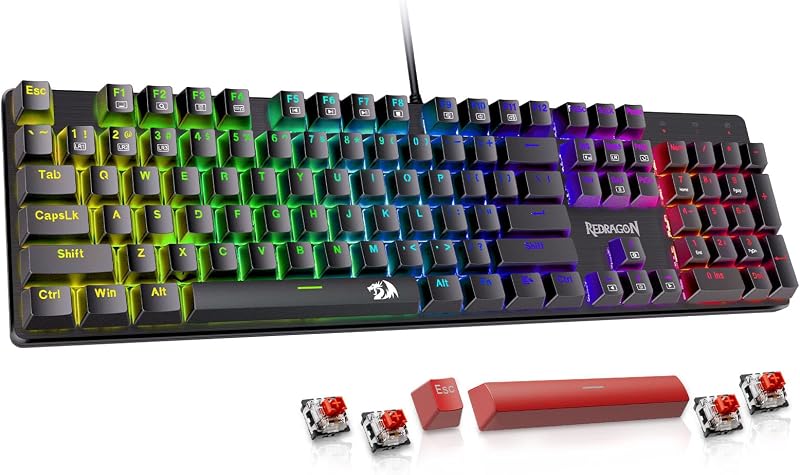
Choosing between the Nuphy Air75 V2 and the 8BitDo Retro Mechanical comes down to a fundamental clash of design philosophies: ultra-compact low-profile engineering built for modern cross-platform mobility versus a full-height, nostalgic desktop chassis equipped with oversized physical macro controllers. While one slims down mechanical switch travel to slip neatly into a laptop bag alongside multi-system setups, the other leans heavily into classic gaming aesthetics, tactile standard switches, and standalone hardware shortcuts.
Pick the Nuphy Air75 V2 if you need a lightweight, low-profile typing tool with deep open-source firmware customization for working seamlessly across Mac, Windows, and mobile devices on the go. Pick the 8BitDo Retro Mechanical if you want a retro-themed desktop workstation anchor with hot-swappable mechanical switches, n-key rollover, and instant physical macro execution without opening configuration software.

Nuphy Air75 V2 vs 8BitDo Retro Mechanical at a Glance
| Feature | Nuphy Air75 V2 | 8BitDo Retro Mechanical |
|---|---|---|
| Form Factor and Profile | Low-profile 75% compact | Standard-height tenkeyless (87 keys) |
| Chassis Construction | Aluminum frame with translucent bottom shell | Top mount plastic enclosure |
| Mechanical Switches | Gateron Cowberry Switch | Kailh Box Switch V2 White |
| Hot-Swappable Sockets | Not listed | Yes (Hot-swappable PCB) |
| Keycap Material | PBT keycaps | Dye-sublimation PBT keycaps |
| Programmability | QMK/VIA open-source firmware remapping | Dual Super Buttons (hardware mapping without software) |
| Battery and Endurance | 4000mAh (35-57 hours backlit, up to 220 hours off) | Rechargeable battery (runtime not listed) |
| Wireless Connectivity | Bluetooth 5.1, 2.4GHz, USB-C (up to 4 devices) | Bluetooth, USB-C (2.4G listed in title) |
| Operating System Support | Mac, Windows, Linux, Android, iOS | Windows 10 (1903)+, Android 9.0+ |
| Best For | Mobile productivity and multi-device workflows | Desktop retro enthusiasts and macro-heavy setups |
Form Factor, Portability, and Desk Presence
The physical footprint of a keyboard dictates how you interact with your workspace and whether the device can realistically leave your desk. The Nuphy Air75 V2 low profile architecture is purpose-built for low-clearance typing and transport. Built with a slim aluminum top frame paired with a translucent bottom shell, it reduces vertical elevation so wrists remain at a neutral angle without requiring an external wrist rest. The compact 75% layout drops the traditional navigation cluster while preserving dedicated arrow keys and a streamlined function row, making it effortless to stow alongside a tablet or laptop. Readers comparing slim desktop profiles often look at how compact layouts balance against traditional designs, such as in our lofree flow vs 8bitdo retro mechanical breakdown.
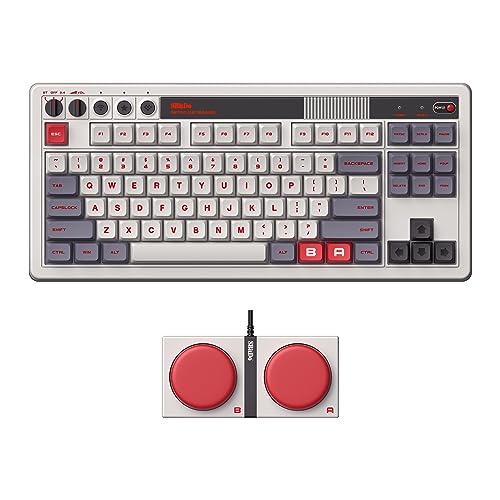
In contrast, the 8BitDo Retro Mechanical embraces an unapologetically vintage desktop profile. Featuring an 87-key tenkeyless footprint built into a top-mount plastic enclosure, it occupies significant vertical and horizontal space. Its styling draws directly from classic gaming hardware, complete with an N Edition color scheme, elevated key steps, and an independent control panel at the top left. While the 8BitDo delivers substantial presence on a stationary desk, its standard switch heights and external dimensions mean it is not engineered to slide casually into an everyday commuter pack. When deciding between the Nuphy Air75 V2 or 8BitDo Retro Mechanical for travel, the difference in physical bulk becomes the deciding factor.
If your daily routine involves moving between a home office, a corporate hot desk, and coffee shops, the Air75 V2 integrates seamlessly into mobile carry bags. The 8BitDo model, while sturdy on a desktop mat, commands a dedicated workstation footprint where its retro aesthetic and elevated typing angle can remain stationary.
Edge: Nuphy Air75 V2. Its low-profile aluminum chassis provides superior portability and ergonomic desk clearance without needing extra desk space or wrist supports.
Switches, Typing Feel, and Keycaps
Typing feel determines everyday comfort during long writing sessions or intense coding sprints. When weighing the Nuphy Air75 V2 or 8BitDo Retro Mechanical for typing, switch travel and actuation mechanics create two distinct experiences. The Air75 V2 comes equipped with low-profile Gateron Cowberry switches. These switches feature a shorter overall travel distance than traditional desktop switches, resulting in rapid bottom-out behavior and quick actuation that caters to typists accustomed to modern chiclet or laptop keyboards. NuPhy pairs these switches with durable PBT keycaps designed to resist finger oils and maintain surface texture over extensive use, although the keycap legends themselves are non-backlit.
On the other side of the matchup, the 8BitDo Retro Mechanical switches take a classic, high-travel mechanical approach using Kailh Box Switch V2 White units. These clicky switches offer pronounced tactile feedback and an audible snap with every keypress, creating a deliberate, retro typing rhythm. The underlying PCB is fully hot-swappable, allowing users to pull switches and plug in alternatives without touching a soldering iron-a customization option similar to alternatives analyzed in our akko 5075b plus vs 8bitdo retro mechanical comparison. The 8BitDo keycaps are manufactured from dye-sublimated PBT plastic, ensuring that the vintage fonts and legends remain crisp without fading under prolonged wear.
Your preference between low-travel linear speed and full-depth tactile feedback will dictate which board suits your fingers. The Air75 V2 minimizes finger lift and fatigue over marathon typing bouts, whereas the 8BitDo provides the deep mechanical keystroke, top-mount plate acoustic feedback, and switch-swapping flexibility that traditional keyboard hobbyists value.
Edge: Tie. Typists wanting rapid low-profile actuation will prefer NuPhy, while tactile enthusiasts who value hot-swap switch customization will favor 8BitDo.
Programmability, Customization, and Macro Controls
Input flexibility defines how well a keyboard adapts to specialized productivity shortcuts, gaming commands, and layout reconfigurations. The Air75 V2 relies on open-source QMK and VIA firmware integration. Through web-based or desktop VIA consoles, users can remap every key across multiple functional layers, create intricate timed macros, and fine-tune RGB backlighting behavior. Because remapping is stored at the firmware level inside the keyboard’s memory, customized shortcuts remain active regardless of whether the board is plugged into Windows, macOS, or Linux. For power users who frequently examine custom mechanical boards like the ones featured in our gmmk pro vs nuphy air75 v2 guide, onboard VIA flexibility represents the gold standard of input customization.
The 8BitDo Retro Mechanical approaches remapping from a physical, immediate standpoint. Its primary productivity feature is the inclusion of Dual Super Buttons-two massive, programmable external desktop keys that plug into the keyboard housing. These 8BitDo Retro Mechanical super buttons allow users to map complex macros or keystrokes instantly on the hardware level without launching background software. Additionally, the keyboard incorporates an independent control panel with dedicated knobs and vintage status indicators, offering physical tactile engagement rather than buried digital menus. Those wondering is 8BitDo Retro Mechanical worth it often find these physical macro buttons transform everyday task switching and gaming inputs.
While the 8BitDo mechanical board makes macro activation tangible and fun with its oversized hardware buttons, it lacks the multi-layer depth and cross-platform open-source remapping of QMK/VIA. The Air75 V2 offers virtually limitless virtual layers, making it a more capable instrument for complex development environments and customized shortcut layers.
Edge: Nuphy Air75 V2. QMK and VIA compatibility provides deep multi-layer mapping and open-source reconfigurability that surpasses hardware-only macro buttons.
Connectivity, Platform Compatibility, and Multi-Device Workflow
Modern workflows routinely span multiple operating systems, requiring peripherals that switch between hardware platforms without friction. In any 8BitDo Retro Mechanical vs Nuphy Air75 V2 comparison, system compatibility reveals a stark functional divide. The Nuphy Air75 V2 is engineered for complete cross-platform flexibility, officially supporting macOS, Windows, Linux, Android, and iOS. It features Bluetooth 5.1, 2.4GHz wireless via a dedicated receiver, and USB-C wired connections. The Air75 V2 allows users to pair up to four computer devices simultaneously and toggle between them instantly, enabling a seamless transition from an office PC to a personal MacBook or an iPad.
The 8BitDo Retro Mechanical focuses its wireless connectivity on Bluetooth and wired USB-C, with 2.4G wireless referenced in its listing title. However, its official platform compatibility is specifically tailored for Windows 10 (version 1903 or above) and Android 9.0 or above, with gaming consoles listed as compatible devices. It lacks dedicated macOS layout switching and does not advertise simultaneous multi-host pairing across different non-Windows operating systems. Buyers looking at desktop wireless boards often weigh these platform limitations against versatile options seen in our epomaker th80 v2 vs 8bitdo retro mechanical coverage.
If you juggle an Apple laptop for creative work alongside a Windows machine or an Android tablet, the Air75 V2 provides native layout toggles and multi-device memory. The 8BitDo keyboard operates comfortably within a dedicated PC gaming or Android setup, but it does not offer the broad operating system fluency necessary for diverse multi-device environments.
Edge: Nuphy Air75 V2. Simultaneous four-device pairing and native support for macOS, Windows, Linux, iOS, and Android provide unmatched multi-system versatility.
Battery Endurance and Lighting Features
Wireless peripherals must balance functional power consumption against recharging frequency to avoid interruptions during critical work sessions. The Nuphy Air75 V2 battery life is backed by a substantial 4000mAh internal rechargeable battery. According to official listing specifications, the Air75 V2 achieves between 35 and 57 hours of continuous operation with keyboard backlighting fully engaged. When backlighting is turned off, the keyboard delivers up to 220 hours of continuous wireless usage. The Air75 V2 also features extensive lighting hardware, including over 21 RGB color effects adjustable via hotkeys or console, along with two distinct RGB light bars mounted on the sides of the chassis.
The 8BitDo Retro Mechanical uses an internal rechargeable battery powered via USB-C, but its product listing does not specify exact milliamp-hour capacity or rated runtime figures. In terms of illumination, the 8BitDo deliberately omits dynamic per-key RGB backlighting in keeping with its retro theme. Instead, it incorporates a classic vintage power status LED indicator situated on its dedicated control console. Those who track battery efficiency and lighting features across custom boards-such as those explored in our ducky one 3 vs nuphy air75 v2 evaluation-will recognize that transparent runtime metrics are critical for evaluating travel readiness.
Because the listing does not specify battery capacities or runtime estimates for the 8BitDo, the Nuphy board takes a decisive lead with its verified 4000mAh capacity and 220-hour non-backlit endurance. Users who want vibrant RGB aesthetics and clear battery metrics will find NuPhy’s design far more transparent.
Edge: Nuphy Air75 V2. A documented 4000mAh battery providing up to 220 hours of runtime and customizable RGB light bars outclasses unlisted endurance specifications.
Pros and Cons
Nuphy Air75 V2

Pros
- Slim aluminum low-profile chassis
- Open-source QMK and VIA firmware remapping
- 4000mAh battery with up to 220 hours runtime
- Connects with up to four devices simultaneously
- Broad support across Mac, Windows, Linux, and mobile
Cons
- Keycaps do not support shine-through illumination
- Lacks water resistance certification
8BitDo Retro Mechanical

Pros
- Tactile Dual Super Buttons for instant macros
- Hot-swappable Kailh Box Switch V2 sockets
- Durable dye-sublimated PBT keycaps
- Classic vintage gaming console aesthetic
Cons
- Bulky full-height plastic desktop enclosure
- Official compatibility limited to Windows and Android
- Battery capacity and runtime not specified
View 8BitDo Retro Mechanical on Amazon
Who Should Buy Each One
Choose the Nuphy Air75 V2 If
- You need a lightweight, low-profile mechanical keyboard that fits comfortably inside a laptop sleeve for daily mobile travel.
- You work across multiple operating systems, including macOS, Windows, Linux, Android, and iOS, and need instant four-device switching.
- You rely on extensive shortcut customization, layer remapping, and open-source configuration through QMK and VIA firmware.
- You prefer customizable RGB lighting effects, side accent light bars, and documented battery endurance up to 220 hours.
Choose the 8BitDo Retro Mechanical If
- You want a dedicated desktop centerpiece featuring a vintage console-inspired aesthetic, classic status LEDs, and an independent control dial.
- You love the tactile click and auditory feedback of standard-height Kailh Box Switch V2 mechanical switches.
- You want hot-swappable switch sockets to easily replace mechanical switches without soldering.
- You benefit from physical, oversized Dual Super Buttons for executing instant macro commands without opening desktop configuration software.
Final Verdict
For the vast majority of modern computer users, this Nuphy Air75 V2 review highlights the clear winner: the Nuphy Air75 V2. Its slim low-profile geometry eliminates wrist strain, while its multi-device Bluetooth and 2.4GHz connectivity makes moving between laptops, desktops, and mobile devices effortless. Backed by full QMK/VIA programmability, an aluminum top frame, a translucent bottom case, and a massive 4000mAh battery providing up to 220 hours of untethered runtime, the Air75 V2 delivers complete modern productivity in a portable form factor.
However, this 8BitDo Retro Mechanical review demonstrates that the 8BitDo board holds a uniquely compelling niche for retro enthusiasts and stationary PC setups. If your keyboard never leaves your desk and you prioritize clicky Kailh Box switches, hot-swappable switch flexibility, and the visceral fun of slamming giant, physical Dual Super Buttons, the 8BitDo Retro Mechanical delivers unmatched nostalgic personality and practical hardware-level macro execution.
FAQ
Is the Nuphy Air75 V2 or 8BitDo Retro Mechanical better for travel?
The Nuphy Air75 V2 is significantly better suited for travel. Its low-profile chassis, slim aluminum frame, and compact 75% footprint slide easily into laptop bags and backpacks. In contrast, the 8BitDo Retro Mechanical features a bulky, full-height tenkeyless plastic enclosure with standard-profile switches, making it better suited as a stationary desktop fixture.
Can you hot-swap switches on both keyboards?
The 8BitDo Retro Mechanical specifically features a hot-swappable PCB, allowing users to swap its Kailh Box Switch V2 White switches for other compatible standard mechanical switches without soldering. For the Nuphy Air75 V2, the listing does not specify hot-swap socket capabilities, focusing instead on its factory-installed low-profile Gateron Cowberry switches.
How do you program macros on the 8BitDo Retro Mechanical?
The 8BitDo Retro Mechanical includes Dual Super Buttons that plug directly into the keyboard housing. You can map any keystroke or macro combination to these large physical buttons immediately on the hardware level, completely bypassing the need for companion software or driver installations.
Does the Nuphy Air75 V2 work natively with Apple Mac computers?
Yes. The Air75 V2 features built-in multi-OS compatibility supporting macOS alongside Windows, Linux, Android, and iOS. Its open-source QMK/VIA firmware allows users to map specific Mac modifier keys and layout layers directly into the onboard memory.
What is the battery capacity of the Nuphy Air75 V2 compared to the 8BitDo?
The Nuphy Air75 V2 features a 4000mAh battery that delivers between 35 and 57 hours of continuous use with RGB lighting fully engaged, or up to 220 hours when lighting is turned off. The 8BitDo Retro Mechanical listing confirms a rechargeable battery power source, but the listing does not specify its exact milliamp-hour capacity or estimated runtime hours.
Do both keyboards have RGB backlighting?
No. The Nuphy Air75 V2 features full RGB backlighting with over 21 built-in lighting effects and two side-mounted accent light bars, customizable via key combinations or software. The 8BitDo Retro Mechanical omits RGB backlighting to preserve its vintage design aesthetic, relying instead on a classic LED power status indicator.