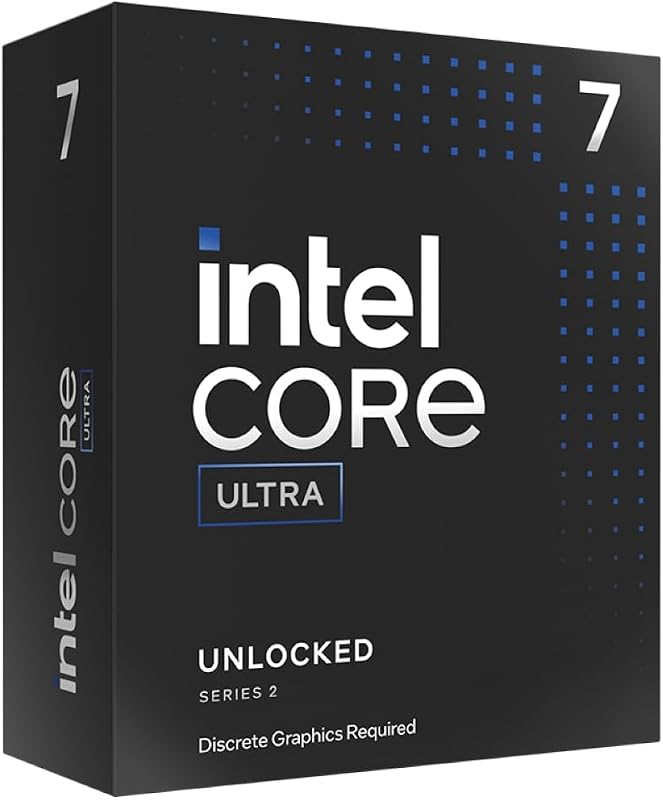
The core distinction separating the Alienware X16 R2 from the Samsung Galaxy Book4 Pro comes down to a fundamental choice between raw discrete graphical muscle and extreme ultraportable mobility. While both laptops share an identical 16-core Intel Core Ultra 7 processor 155H engine, Alienware routes that compute power into a heavy-duty dedicated NVIDIA GeForce RTX 4070 GPU designed to crush modern gaming frame rates, whereas Samsung pairs it with integrated graphics inside a featherlight chassis built around an ultra-crisp 3K Dynamic AMOLED 2X touchscreen.
Buyers looking for an authentic desktop replacement capable of running demanding titles at high refresh rates should purchase the Alienware X16 R2, while frequent travelers, commuters, and mobile professionals needing all-day carrying comfort and pristine media editing should choose the Samsung Galaxy Book4 Pro.


Alienware X16 R2 vs Samsung Galaxy Book4 Pro at a Glance
| Feature | Alienware X16 R2 | Samsung Galaxy Book4 Pro |
|---|---|---|
| Processor | Intel Core Ultra 7 155H (16 cores, 4.8GHz, 24MB cache) | Intel Core Ultra 7 155H (16 cores) |
| Graphics Hardware | NVIDIA GeForce RTX 4070 (8GB GDDR6) | Integrated Intel ARC Graphics |
| Display Panel | 16-inch QHD+ (240Hz, 3ms, ComfortView Plus) | 14-inch 3K Dynamic AMOLED 2X Touchscreen (2880 x 1800) |
| System Memory | 16GB LPDDR5X | Not listed |
| Storage Drive | 1TB SSD | 512GB SSD |
| Weight | 6.0 lbs | 2.7 lbs |
| Chassis Thickness | Not listed | 0.46 inches (11.6mm) |
| Audio Hardware | 2x 2W Tweeters, 4x 3W Woofers | Not listed |
| Integrated Security | FHD RGB+IR Camera | Knox Security, Secured Core PC |
| Best For | High-end gaming and desktop replacement | Ultraportable productivity and multimedia travel |
Graphics and Gaming Performance
Graphical output defines the performance divide between these two machines. The Alienware X16 R2 features an NVIDIA GeForce RTX 4070 discrete graphics processing unit equipped with 8GB of GDDR6 dedicated video memory. In modern three-dimensional rendering, real-time ray tracing, and intensive titles, having dedicated silicon with its own independent memory pool ensures stable frame rates, advanced hardware encoding, and support for NVIDIA G-SYNC alongside Advanced Optimus. This architectural muscle makes the laptop an actual desktop-grade powerhouse capable of pushing complex visual assets without choking the central processor.
In stark contrast, the Galaxy Book4 Pro relies on integrated Intel ARC graphics sharing memory directly with the system. While Intel ARC technology provides adequate acceleration for streaming video, driving external monitors, and tackling everyday office workflows, it lacks the raw pipeline throughput, dedicated VRAM, and thermal headroom necessary for serious contemporary gaming. Evaluating msi katana 15 vs alienware x16 r2 highlights how pivotal dedicated GPU silicon is for maintaining smooth gameplay under high stress.
Choosing the Samsung platform means sacrificing high-fidelity gaming performance in favor of low-wattage system efficiency. If your primary goal involves high-framerate rendering, competitive esports, or demanding simulation titles, the integrated graphics setup will fall short quickly. The dedicated RTX 4070 inside the X16 R2 guarantees that high-end interactive entertainment remains fully viable for years to come.
Edge: Alienware X16 R2, thanks to its discrete NVIDIA GeForce RTX 4070 GPU with 8GB of dedicated GDDR6 memory.
Display Technology and Visual Fidelity
The visual presentation on each laptop targets entirely different user priorities. Alienware builds the X16 R2 around speed, motion clarity, and competitive response. Its 16-inch QHD+ screen features a blazing 240Hz refresh rate paired with an ultra-low 3-millisecond response time. Backed by 100% DCI-P3 color coverage, NVIDIA G-SYNC, and hardware-based ComfortView Plus blue-light filtration, the panel delivers tear-free, exceptionally fluid motion that competitive gamers require during fast-paced scenes.
The Galaxy Book4 Pro shifts the priority toward visual contrast, pixel density, and input versatility. It features a 14-inch Dynamic AMOLED 2X touchscreen running at a razor-sharp 3K resolution of 2880 x 1800 pixels. The organic light-emitting diode technology produces inky, true black levels and nearly infinite contrast ratios that standard backlights cannot emulate. Furthermore, Samsung equips this panel with an anti-reflective coating to combat bright glare, along with multi-touch functionality for intuitive document manipulation, sketching, or browsing. Examining razer blade 16 vs samsung galaxy book4 pro reveals how striking an AMOLED panel looks compared to traditional high-speed LCD displays.
Your working environment determines the superior screen. The Alienware panel excels in fast-motion video and gaming where refresh rate directly influences performance, whereas the Galaxy Book4 Pro delivers a superior viewing canvas for static digital photography, movie playback, and touch-driven workflows, even in brightly lit coffee shops or sunlit offices.
Edge: Tie, as Alienware dominates in motion fluidity with its 240Hz refresh rate, while Samsung leads in resolution, contrast, and touch versatility with its 3K AMOLED panel.
Portability, Dimensions, and Backpack Comfort
Physical footprint and travel readiness represent the widest gap between these two models. The Galaxy Book4 Pro is engineered specifically for life on the move, measuring just 12.3 inches long, 8.81 inches wide, and an astonishing 0.46 inches thin (11.6mm). Tipping the scales at a mere 2.7 pounds, this ultraportable slips into slim messenger sleeves or backpacks without straining your shoulder during long airport layovers or daily transit across campus.
The Alienware X16 R2 embraces a substantial clamshell footprint, registering an item weight of 6.0 pounds. That makes the X16 R2 more than double the weight of the Samsung ultraportable. While its Lunar Silver aluminum enclosure is sleek for a gaming system, carrying six pounds of chassis hardware across a full work day creates noticeable fatigue. Comparisons like razer blade 14 vs samsung galaxy book4 pro often show that sub-three-pound machines redefine everyday mobility for remote workers.
If you regularly commute, attend board meetings, or bounce between lecture halls, the Alienware X16 R2 weight vs Galaxy Book4 Pro metrics clearly favor Samsung. The Alienware functions best as a semi-permanent station that moves occasionally between rooms, while the Galaxy Book4 Pro is constructed explicitly for continuous travel.
Edge: Samsung Galaxy Book4 Pro, weighing just 2.7 pounds with an ultra-thin 0.46-inch chassis.
Thermal Engineering and Cooling Efficiency
Thermal regulation is crucial when pushing modern computing silicon to maximum performance. The Alienware X16 R2 employs an aggressive, performance-focused thermal system. The chassis incorporates specialized intake vents situated above the keyboard deck to pull in cooler ambient air, channeling it directly across internal heat sinks before exhausting hot air out through dedicated side and rear vents. This robust airflow management prevents thermal throttling when the Core Ultra 7 155H processor and RTX 4070 GPU draw maximum wattage during sustained rendering or gaming marathons.
The Galaxy Book4 Pro relies on an ultra-compact internal cooling solution designed to operate within its tight 0.46-inch profile. Because it lacks a power-hungry discrete graphics coprocessor, its cooling layout does not need to displace the massive heat outputs associated with a gaming card. When performing standard productivity, web analysis, or media streaming, the laptop runs quietly. However, placing sustained multi-core rendering loads on its slim architecture will warm up the thin base quicker than a ventilated gaming chassis.
The contrast between these thermal approaches comes down to sustained performance headroom versus silent, compact packaging. For readers tracking msi stealth 16 vs samsung galaxy book4 pro, thermal boundaries heavily dictate sustained clock speeds. Alienware provides the cooling necessary to maintain high clock speeds indefinitely, while Samsung prioritizes maintaining a quiet, whisper-thin everyday profile.
Edge: Alienware X16 R2, providing superior active thermal airflow and ventilation for sustained computing loads.
Battery Architecture and Mobile Energy Management
Energy consumption reflects the design intent of each machine. The Galaxy Book4 Pro features a 63Wh typical battery supported by a compact, travel-friendly 65W charging adapter. Because it drives low-voltage integrated Intel ARC graphics and an efficient AMOLED panel, its energy draw remains conservative throughout standard office tasks. Users can easily power this machine via versatile USB charging bricks, minimizing cable clutter during cross-country travel.
Conversely, the Alienware X16 R2 must power an internal discrete NVIDIA graphics card, high-output cooling fans, AlienFX micro-LED lighting, and an expansive 240Hz display panel. The listing specifies an alternating current voltage input of 240 volts, reflecting the high-capacity power delivery necessary to sustain its internal hardware. Running gaming workloads away from a wall outlet will drain the internal cell rapidly, requiring you to pack a substantial power supply wherever you venture.
In any Alienware X16 R2 battery life vs Galaxy Book4 Pro assessment, the ultraportable design easily secures the win for off-grid productivity. Galaxy Book4 Pro owners can handle extended meetings or travel days without scouting for power outlets, whereas Alienware operators must remain tethered to the wall to unlock the system’s full computing potential.
Edge: Samsung Galaxy Book4 Pro, utilizing an energy-efficient 63Wh architecture and lightweight 65W adapter.
Storage, Audio, and Enterprise Hardware Features
Storage volume and multimedia peripherals show distinct divergence across both models. The Alienware X16 R2 ships with a spacious 1TB solid state drive, providing double the onboard storage capacity out of the box compared to the 512GB SSD in the Galaxy Book4 Pro. Modern games and high-resolution video caches consume hundreds of gigabytes, making Alienware’s larger base drive a major practical advantage. In addition, the X16 R2 features an advanced speaker array consisting of two 2W tweeters and four 3W woofers, delivering full, resonant audio playback that outclasses standard laptop soundbars. Dell also backs the machine with 1 Year Onsite Service, dispatching technicians to your home or office if hardware problems arise.
The Samsung Galaxy Book4 Pro focuses its secondary features on mobile enterprise security and ecosystem convenience. It integrates Samsung Knox hardware protection alongside Microsoft Secured-Core PC certification, shielding sensitive credentials and confidential files against firmware-level exploits. Furthermore, its front-facing hardware integrates seamlessly with the Galaxy ecosystem, facilitating fast connectivity with Galaxy smartphones and tablets for hybrid office workers.
For users who value native storage capacity and booming onboard acoustics, the Alienware package provides immediate hardware value. Similar to matchups like msi stealth 16 vs alienware x16 r2, Alienware’s expansive 1TB drive and multi-driver woofer array eliminate the immediate need for external drives or dedicated desktop speakers.
Edge: Alienware X16 R2, offering double the SSD capacity (1TB) and an impressive six-speaker sound system.
Pros and Cons
Alienware X16 R2

Pros
- Dedicated NVIDIA GeForce RTX 4070 graphics
- Fluid 240Hz refresh rate display
- Spacious 1TB solid state drive
- Six-speaker audio system with four woofers
- Dell 1 Year Onsite Service included
Cons
- Heavier six-pound chassis
- No touchscreen functionality
- Requires bulkier power setup
View Alienware X16 R2 on Amazon
Samsung Galaxy Book4 Pro

Pros
- Ultralight 2.7-pound aluminum chassis
- 3K Dynamic AMOLED 2X touchscreen
- Extremely thin 0.46-inch profile
- Samsung Knox hardware-level security
- Compact 65W charging adapter
Cons
- Integrated graphics limit 3D gaming
- Smaller 512GB base storage drive
- Display capped at 3K without 240Hz
View Samsung Galaxy Book4 Pro on Amazon
Who Should Buy Each One
Choose the Alienware X16 R2 If
- You need the graphics horsepower of an NVIDIA GeForce RTX 4070 to run modern video games and 3D rendering software.
- You play competitive multiplayer titles that demand a 240Hz refresh rate and rapid 3ms response times.
- You prefer a larger 16-inch display with a factory-installed 1TB solid state drive for large media libraries.
- You want a premium audio setup with built-in four-woofer bass and the reassurance of Dell 1 Year Onsite Service.
Choose the Samsung Galaxy Book4 Pro If
- You travel daily and require a lightweight 2.7-pound chassis that measures just 0.46 inches thick.
- You desire a vibrant 3K Dynamic AMOLED 2X touchscreen with anti-reflective coating for presentations and content consumption.
- You want enterprise-grade data protection supported by Samsung Knox and Secured-Core PC firmware features.
- You need an energy-efficient laptop that charges via a compact 65W adapter without weighing down your bag.
Final Verdict
For users looking to replace a desktop tower with a self-contained gaming rig, the Alienware X16 R2 stands as the definitive choice. Its combination of an Intel Core Ultra 7 155H processor and dedicated NVIDIA GeForce RTX 4070 8GB graphics delivers computing power that integrated systems simply cannot touch. Paired with a fluid 240Hz display, an internal six-speaker acoustic layout, 1TB of solid-state storage, and advanced airflow cooling, it accomplishes tasks that justify every ounce of its six-pound frame for serious creators and gamers.
However, when mobility, visual artistry, and effortless commuting dictate your daily schedule, the Samsung Galaxy Book4 Pro takes the crown. Shedding over three pounds compared to its rival, Samsung has engineered an impeccably slim 0.46-inch machine that boasts an extraordinary 3K Dynamic AMOLED 2X touchscreen, anti-reflective coating, and robust Knox hardware security. Unless high-end gaming is your primary objective, the Galaxy Book4 Pro provides the superior blend of comfort, display brilliance, and modern productivity for users on the go.
FAQ
Alienware X16 R2 or Samsung Galaxy Book4 Pro for gaming?
The Alienware X16 R2 is drastically superior for gaming due to its dedicated NVIDIA GeForce RTX 4070 graphics card with 8GB of GDDR6 VRAM, 240Hz refresh rate, and advanced internal cooling. The Galaxy Book4 Pro uses integrated Intel ARC graphics, which are meant for basic display output and light productivity rather than high-performance 3D gaming.
Alienware X16 R2 or Samsung Galaxy Book4 Pro for college?
For most students attending college, the Samsung Galaxy Book4 Pro is the better choice. It weighs only 2.7 pounds, fits easily into any backpack, features a 3K AMOLED touchscreen for easy document viewing, and charges with a compact 65W adapter. The Alienware X16 R2 weighs six pounds, making it far more cumbersome to carry between daily lectures.
Does the Samsung Galaxy Book4 Pro display support touch input?
Yes, the Samsung Galaxy Book4 Pro features a 14-inch Dynamic AMOLED 2X touchscreen with a resolution of 2880 x 1800 pixels. In contrast, the Alienware X16 R2 display focuses on high refresh rates and does not include touch sensitivity.
How much internal storage comes standard on each laptop?
The Alienware X16 R2 includes a 1TB solid state drive, providing plenty of room for large games and creative media. The Samsung Galaxy Book4 Pro comes standard with a 512GB solid state drive.
Is Alienware X16 R2 worth it for non-gamers?
The Alienware X16 R2 is generally not worth it for users who do not game or render heavy 3D assets. Its six-pound weight, thick chassis, and high power consumption are tailored specifically around its discrete graphics card. Non-gamers are better served by the thin, lightweight form factor of the Galaxy Book4 Pro.
What audio hardware is included with the Alienware X16 R2?
The Alienware X16 R2 features a dedicated multi-driver sound configuration that includes two 2W tweeters and four 3W woofers, delivering expansive spatial clarity and enhanced bass compared to typical notebook speakers.