The deciding difference between a steam mop vacuum and a wet dry vacuum comes down to whether your home demands high-temperature thermal sanitization to dissolve sticky residue and kill bacteria, or heavy-duty suction to ingest standing liquid spills and coarse debris. A hard floor steam mop vs wet dry vac evaluation highlights two fundamentally different engineering priorities: steam mops use heated vapor to break chemical bonds and disinfect sealed hard surfaces without detergents, whereas wet dry vacuums use high-airflow motors and dedicated waste containers to extract fluid volume, wet slurry, and dry workshop refuse.
Choose a steam mop vacuum if your main priority is eliminating germs, sticky kitchen grime, and dried floor stains across sealed tile or hardwood without applying harsh chemicals. Choose a wet dry vacuum if you need to extract massive puddles, clean carpeted surfaces, manage workshop sawdust, or swallow mixed liquid-and-solid kitchen accidents in one sweep.
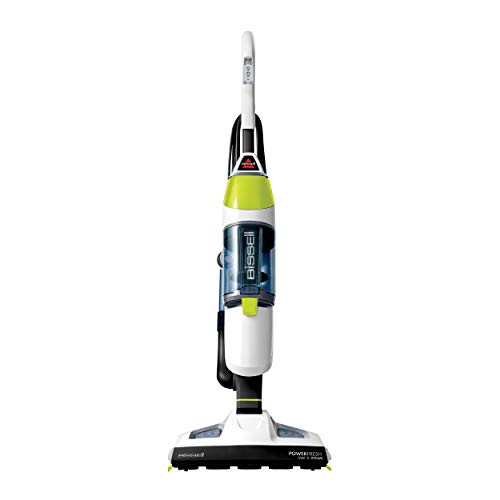


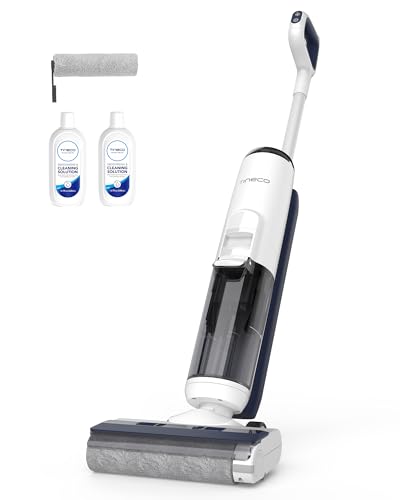
Steam Mop Vacuum vs Wet Dry Vacuum at a Glance
| Feature | Steam Mop Vacuum | Wet Dry Vacuum |
|---|---|---|
| Primary Cleaning Method | Steam sanitization paired with vacuum suction | Mechanical liquid extraction and dry suction |
| Thermal Sanitization | Eliminates 99.9% of germs (up to 356°F steam) | Not listed (uses cold water or chemical solution) |
| Liquid Tank Capacity | 0.4 liters to 1.0 liters | 0.8 liters to 6 gallons (over 22 liters) |
| Suction Power Metric | 25,000 Pa (roborock F25 Steam) | 85 inches water lift (Stanley SL18116P) |
| Power Configuration | Corded electric (1400W) or cordless battery (120V) | Corded electric (4 PHP) or cordless battery (190W) |
| Maximum Battery Runtime | Up to 80 minutes (cordless stick models) | Up to 35 minutes (cordless upright models) |
| Automated Self-Cleaning | Thermal steam wash with 203°F hot air drying | Hands-free centrifugal drying or manual bucket wash |
| Surface Compatibility | Sealed hard floors (tile, marble, hardwood, laminate) | Carpet, upholstery, hard floor, concrete, workshops |
| Debris Separation | Dry tank cyclonic capture or roller scraper | Dual-tank isolation, foam sleeve, or dry filter bag |
| Best For | Chemical-free hygiene and dissolving stuck grime | Heavy fluid spills, workshop debris, and multi-surface jobs |
Steam Sanitization vs Liquid Extraction Performance
Understanding the distinction between steam sanitization vs liquid extraction is the key to determining which appliance fits your home maintenance standards. In any thorough steam mop vacuum review, the headline feature is pressurized thermal energy. Models like the Bissell PowerFresh Vac & Steam 2747A utilize a 1400-watt heating system that reaches operating temperature in 30 seconds, sanitizing floors using steam to eliminate 99.9% of germs and bacteria. Advanced cordless models like the roborock F25 Steam Series deploy VaporFlow technology to push steam temperatures up to 356°F. This intense heat melts kitchen grease, dried sauces, and sticky residues at a molecular level, allowing you to disinfect floors thoroughly without introducing chemical residues into areas where children crawl or pets rest.
In contrast, a wet dry vacuum cleaner vs steam mop comparison reveals that wet dry vacuums completely forgo high-temperature steam. Instead, appliances such as the Tineco iFLOOR 5 Breeze Complete wash floors with room-temperature water mixed with cleaning solution, relying on a continuous flat scraper system to press out dirty water while feeding fresh solution to the roller. For heavy utility applications, drum vacuums like the Stanley SL18116P depend purely on negative air pressure to pull wet slurry off the ground. When evaluating general hard floor washers, readers examining comparisons like dyson vs tineco find that liquid extraction is exceptional at lifting spilled soup or milky cereal, but it cannot match the natural microbial reduction delivered by superheated vapor.
The operational trade-off comes down to sterilization versus removal. Steam mop vacuums leave sealed flooring sanitized and virtually dry within seconds because hot vapor evaporates rapidly. Wet dry vacuums remove the physical mess cleanly, but if you need to eliminate pathogens or dissolve hardened grease without scrubbing pads and chemical detergents, liquid extraction alone falls short.
Edge: Steam mop vacuum for chemical-free thermal sanitization and rapid grease dissolution.
Liquid Spill Management and Tank Capacity
When assessing whether is a wet dry vacuum worth it for busy family homes or workshops, physical fluid storage capacity is the primary deciding factor. The Stanley SL18116P wet dry vacuum offers a massive 6-gallon capacity (over 22 liters), driven by a 4 peak horsepower motor capable of lifting up to 85 inches of water. This immense volume enables homeowners to clear water heater leaks, clogged drains, flooded basements, or heavy mud puddles without stopping to dump the canister. Even domestic upright units like the Tineco iFLOOR 5 Breeze Complete feature an enlarged dual-tank architecture with 0.8 liters of capacity designed specifically to keep dirty recovery water strictly separated from clean wash solution.
Steam mop vacuums, by comparison, are engineered for surface hygiene rather than flood mitigation. The Bissell PowerFresh Vac & Steam incorporates a 0.4-liter water tank designed to feed its steam generator, utilizing Dry Tank Technology to keep vacuumed dust completely dry while mopping. However, it cannot vacuum standing liquid pools. Cordless steam units like the roborock F25 Steam offer a 1000 ml clean water reservoir to support extended steaming and mopping across up to 7104 square feet, but their internal waste tanks are scaled for recovering mopping residue rather than swallowing gallons of standing water.
A comprehensive wet dry vacuum review confirms that side B reigns supreme whenever liquid volume exceeds a couple of ounces. If a full carton of juice drops on the kitchen floor, or plumbing fails in the laundry room, a wet dry vacuum pulls the fluid into its containment chamber effortlessly. A steam mop vacuum subjected to heavy standing water risks saturating its pad or overwhelming its vacuum channel.
Edge: Wet dry vacuum for superior fluid volume capacity and handling large standing spills.
Dry Debris Pickup and Suction Power
Both product categories clear dry debris while washing or steaming, but their internal suction mechanics address very different forms of household waste. The roborock F25 Steam Series delivers an exceptional 25,000 Pa of suction, paired with JawScrapers anti-tangle technology that actively prevents pet and human hair from wrapping around the roller. It also features integrated blue light illumination to reveal fine dust and crumbs hidden along baseboards and under cabinets. The Bissell PowerFresh Vac & Steam utilizes cyclonic dirt capture to separate dust before it reaches the filter, and its Easy Touch Digital Controls allow users to turn suction on or off independently of the steam mechanism. Pet owners exploring upright cyclonic vacuums in guides like bissell pet hair eraser vs hoover powerdash pet will recognize how cyclonic airflow keeps suction consistent through heavy shedding.
Wet dry vacuums take a more utilitarian approach to debris pickup. The Stanley SL18116P relies on a wide 1-1/4-inch by 6-foot flexible hose paired with 3 extension wands, a gulper nozzle, and a crevice nozzle. Its 4 peak HP motor creates raw pneumatic pull that lifts heavy wood shavings, gravel, broken glass, and dry pet food that would choke a standard floor mop. For indoor maintenance, the Tineco iFLOOR 5 Breeze Complete uses a 190-watt motor alongside an enhanced edge-cleaning brush head that sweeps tight against baseboards down to a narrow 0.20-inch gap, ensuring dry perimeter debris gets pulled into the recovery stream.
When deciding on a steam mop or wet dry vacuum for pet messes, the nature of the debris dictates the winner. A steam mop vacuum excels at pulling up fine shedding while melting sticky slobber or tracked-in dirt stains from hard tiles. However, a wet dry vacuum inhales chunky vomit, soaked kibble, and gritty litter without risking thermal pad clogs or moisture lock inside dry dust bins.
Edge: Tie. Steam mop vacuums provide higher fine-dust suction (25,000 Pa) and anti-tangle engineering, while wet dry vacuums inhale large, coarse, and jagged debris.
Floor Surface Compatibility and Multi-Room Versatility
Surface versatility represents one of the most critical boundaries between these two cleaning formats. Steam mop vacuums are specialized tools intended specifically for sealed hard floors. The Bissell 2747A specification strictly limits operation to sealed surfaces, including hardwood, ceramic tile, linoleum, marble, and granite. Exposing unsealed wood, delicate luxury vinyl planks with heat-sensitive adhesives, or worn finishes to high-temperature steam can cause warping, peeling, or moisture entrapment. For homeowners specifically asking whether a steam mop or wet dry vacuum for tile floors is the right choice, the steam mop holds a clear advantage on tile and stone, because pressurized vapor penetrates porous grout lines to lift trapped grime that standard rollers glide over.
Wet dry vacuums offer substantially broader multi-surface utility because they do not rely on damaging thermal cycles. The Stanley SL18116P is explicitly rated for carpet, hard floors, and upholstery. It transitions from cleaning automotive floor mats and workshop concrete to vacuuming low-pile carpets and tiled entryways, supported by over 16 feet of total cleaning reach. Multi-surface shoppers comparing dynamic floor tools in articles like shark vertex pet pro vs hoover powerdash pet know that broad surface adaptability protects homeowners from needing three separate specialized cleaners.
A hard floor steam mop vs wet dry vac comparison shows that while wet dry uprights like the Tineco iFLOOR 5 Breeze Complete focus on sealed hard floors (wood, laminate, tile, and marble), utility wet dry vacuums clean virtually anything in the house, garage, or vehicle. If your home has wall-to-wall carpeting, area rugs, or outdoor workshop spaces alongside hard floors, the wet dry vacuum provides far safer and more practical multi-surface capability.
Edge: Wet dry vacuum for multi-surface utility across carpets, upholstery, concrete, and vehicle interiors.
Maintenance and Self-Cleaning Technology
Post-cleanup maintenance often determines whether an appliance stays in regular use or gets pushed to the back of a closet. In evaluating whether is a steam mop vacuum worth it from a maintenance standpoint, modern thermal cleaning systems offer remarkable convenience. The roborock F25 Steam Series features an automated thermal self-cleaning system that washes its roller with high-temperature steam and water. Once washed, an internal heater delivers 203°F hot air drying, ensuring the brush roller dries thoroughly to eliminate sour odors, mildew, and bacteria buildup. The Bissell PowerFresh Vac & Steam uses washable microfiber soft and scrubby pads alongside a detachable mop pad tray; while simple and reliable, it requires users to strip and wash the dirty pads manually in a laundry machine after use.
Wet dry vacuums approach maintenance through centrifugal spin cycles or manual tank washouts. The Tineco iFLOOR 5 Breeze Complete includes a hands-free self-cleaning cycle that flushes the brush roller and internal tubing with fresh water at the touch of a button. Afterward, it uses high-speed centrifugal drying to spin excess water out of the roller. While effective at removing loose dirt, centrifugal drying does not apply active heat, meaning the roller can remain slightly damp if room airflow is poor. Those reviewing robotic and cordless floor care systems in guides like shark ai ultra vs matrix plus appreciate how heated drying prevents roller souring.
Utility wet dry vacuums like the Stanley SL18116P require fully manual maintenance: you must unlatch the motor housing, dump the 6-gallon plastic bucket, rinse out the foam filter or reusable dry filter, and hang the components to dry. The steam mop vacuum side clearly leads in hygiene automation, thanks to high-temperature roller washing and 203°F heated air drying that keeps your cleaning hands clean.
Edge: Steam mop vacuum for thermal roller sanitation and active 203°F heated air drying.
Runtime, Maneuverability, and Physical Ergonomics
Ergonomics and operating duration influence how comfortably each machine tackles small daily messes versus whole-home deep cleaning. Corded steam mop vacuums like the Bissell 2747A weigh 6.19 kg (about 13.6 pounds) in an upright form factor, running continuously on 110V power via a standard wall outlet. For cordless agility, the roborock F25 Steam Series weighs 12 pounds and incorporates advanced pouch battery cells delivering up to 80 minutes of runtime. This allows it to cover up to 7104 square feet on a single charge. Furthermore, the roborock incorporates a 180° FlatReach 2.0 design, allowing the handle and body to lie completely flat at only 4.9 inches high to glide under low sofas, cabinets, and bed frames.
Wet dry vacuums span a wide ergonomic spectrum. The Stanley SL18116P weighs 13.4 pounds, operating at an 80 dB noise level with a stainless steel finish. It rolls across floors on four swivel casters, utilizing a 10-foot power cord and a 6-foot hose to provide over 16 feet of reach. While it runs indefinitely on AC power, dragging a drum canister and maneuvering rigid extension wands requires more physical effort than pushing an upright stick. Cordless upright models like the Tineco iFLOOR 5 Breeze Complete provide a balanced middle ground: running on a 190-watt motor with touch controls and a two-wheel base, its upgraded pouch cells provide up to 35 minutes of cordless runtime for swift room-to-room cleaning.
While corded drum vacuums offer non-stop utility, cordless steam mop vacuums take the lead in modern domestic ergonomics. Achieving up to 80 minutes of battery life while maintaining full suction and steam output-combined with a lay-flat profile under 5 inches-gives advanced steam mop vacuums superior maneuverability throughout living spaces.
Edge: Steam mop vacuum for extensive 80-minute battery endurance and low-clearance lay-flat reach.
Pros and Cons
Steam Mop Vacuum

Pros
- Eliminates 99.9% of germs with steam
- High-temperature vapor up to 356°F
- Automated 203°F hot air roller drying
- Up to 80 minutes cordless runtime
- Vacuums and steams simultaneously
Cons
- Restricted to sealed hard floor surfaces
- Compact fluid capacity under one liter
View Bissell PowerFresh Vac & Steam All-in-One on Amazon
Wet Dry Vacuum

Pros
- High liquid capacity up to 6 gallons
- Safe on carpet, upholstery, and hard floors
- 4 peak HP motor with 85-inch suction
- Rear blower port converts to power blower
- Enhanced edge cleaning to 0.20 inches
Cons
- No thermal sanitization without chemical additives
- Lacks heated self-drying roller systems
View Stanley – SL18116P Wet Dry Vacuum on Amazon
Who Should Buy Each One
Choose the Steam Mop Vacuum If
- You want chemical-free sanitization that eliminates 99.9% of bacteria and germs on sealed hardwood, tile, and stone.
- You deal with dried, sticky kitchen spills, grease splatters, and pet saliva stains that require intense heat up to 356°F to dissolve.
- You demand automated thermal roller washing and 203°F hot air drying so your cleaning head never develops mildew or musty odors.
- You need extended cordless runtime of up to 80 minutes and a slim body that reclines completely flat to reach dust under low furniture.
Choose the Wet Dry Vacuum If
- You regularly manage standing liquid disasters, overflowing fixtures, burst pipes, or multi-gallon spills that require massive containment up to 6 gallons.
- You need multi-surface cleaning that safely transitions across carpets, vehicle upholstery, concrete garages, and hard flooring.
- You want a heavy-duty shop tool that can ingest coarse sawdust, gravel, and nails, or switch to a rear blower port to clear leaves and debris.
- You want simple, mechanical wet-and-dry floor washing using cleaning solutions without exposing delicate finishes to intense thermal steam.
Final Verdict
For the vast majority of indoor residential households, the steam mop vacuum is the superior choice for day-to-day floor maintenance. By combining cyclonic or high-capacity 25,000 Pa suction with the natural sanitizing power of high-temperature steam, it eliminates the need for floor detergents while tackling sticky kitchen residues and microbial buildup. Premium features like 30-second rapid heating, 80 minutes of cordless battery life, and self-cleaning rollers with 203°F hot air drying make modern steam mop vacuums uniquely tailored to family homes where children and pets demand clean, chemical-free surfaces.
However, the wet dry vacuum remains the undisputed champion when mess volume, standing water, and coarse debris take center stage. If you need to drain an overflowing appliance, clean automotive floor mats, haul wood shavings in a workshop, or pull dirty water from low-pile carpets, a steam mop simply cannot compete with the 6-gallon drum capacity and 4 peak HP suction of a unit like the Stanley SL18116P, or the rapid dual-tank liquid recovery of the Tineco iFLOOR 5 Breeze Complete. Select the steam mop vacuum for deep microbial hygiene on sealed hard floors, and select the wet dry vacuum for heavy liquid extraction and rugged multi-surface versatility.
FAQ
Can a steam mop vacuum be used on unsealed hardwood floors?
No, steam mop vacuums should never be used on unsealed hardwood, unsealed stone, or damaged flooring finishes. High-temperature steam forces moisture into exposed wood grains, causing swelling, warping, and permanent discoloration. Manufacturers like Bissell and roborock specifically recommend use strictly on sealed hard floors, including sealed hardwood, ceramic tile, marble, granite, and laminate.
Can a wet dry vacuum sanitize hard floors without chemicals?
A wet dry vacuum cannot sanitize hard floors on its own without chemical additives because it uses room-temperature or cold water suction. While it effectively removes dirt, grease, and contaminated fluids from the surface, it lacks the thermal energy required to kill bacteria. If sanitization is your goal with a wet dry vacuum, you must mix an approved disinfecting cleaning solution into the clean water tank.
How does a steam mop vacuum handle pet messes compared to a wet dry vacuum?
A steam mop vacuum is ideal for dried pet messes, muddy paw prints, and pet saliva, because high-temperature steam dissolves the stain while killing odor-causing bacteria naturally. However, for fresh, high-volume wet accidents like puddles of urine or liquid vomit, a wet dry vacuum is far superior because it quickly extracts the fluid into a high-capacity waste tank without spreading moisture across a fabric pad.
Can wet dry vacuums vacuum dry debris without water in the tank?
Yes, wet dry vacuums are designed to operate completely dry. Utility models like the Stanley SL18116P use a reusable dry filter and a dust bag to capture dry workshop sawdust, dirt, and gravel without adding water. Similarly, cordless upright models can vacuum dry crumbs and dust, though running them with solution in the clean tank allows them to wash and vacuum simultaneously.
Do steam mop vacuums take a long time to heat up before cleaning?
Modern steam mop vacuums heat up almost instantly. The Bissell PowerFresh Vac & Steam reaches steam-ready operating temperatures in just 30 seconds using its 1400-watt internal boiler. Cordless units with VaporFlow technology also generate high-temperature steam rapidly, allowing homeowners to begin sanitizing hard floors without prolonged preheating delays.
Which machine is easier to maintain after cleaning sticky spills?
Modern steam mop vacuums with automated thermal self-cleaning stations are generally easier to maintain after sticky messes. Systems like the roborock F25 Steam use steam and hot water to wash sticky food residues from the brush roller, followed by 203°F hot air drying that prevents odors. With traditional utility wet dry vacuums, you must manually rinse the collection drum, hose, and filters in a sink or with a garden hose after picking up sticky liquids.


