When deciding between a griddle and a grill, the primary distinction rests on the cooking surface design and the heat source: an electric griddle features a solid, nonstick flat plate engineered for uniform indoor cooking, whereas a charcoal grill uses open wire grates suspended over live coals for high-heat outdoor searing. This structural divergence directly dictates the types of meals you can prepare, the flavor profile of your food, and whether your cooking happens on a kitchen counter or an open-air patio.
Choose an electric griddle if you want fast indoor preparation for breakfast staples, delicate foods, and simple cleanup without managing open flames. Choose a charcoal grill if you prioritize authentic smoky barbecue aroma, outdoor entertainment capacity, and the high-temperature radiant heat required for traditional cookouts.

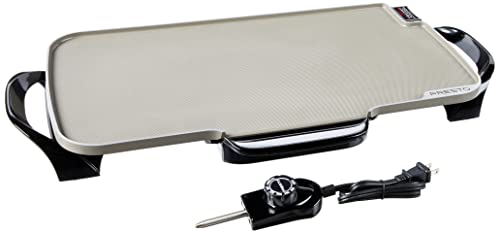

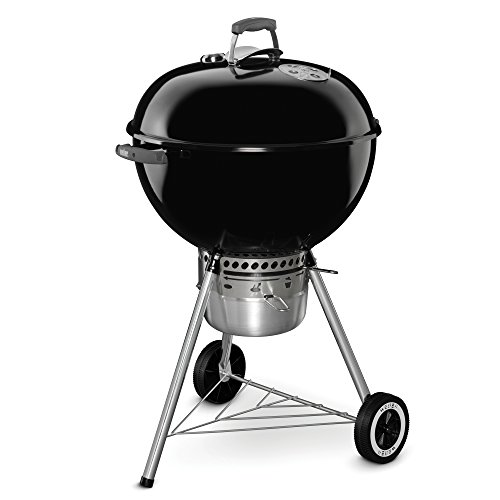
Griddle vs Grill at a Glance
| Feature | Griddle | Grill |
|---|---|---|
| Fuel Source | 120-volt corded electricity (1500 watts) | Charcoal briquettes or lump charcoal |
| Cooking Surface Type | Textured nonstick ceramic flat top | Porcelain-enameled or plated steel wire grates |
| Operating Environment | Indoor countertop | Outdoor patio, yard, or campsite |
| Total Cooking Surface Area | 22-inch length (approximate family-sized base) | 475 to 823 sq. in. (or 13-burger capacity) |
| Temperature Regulation | Detachable probe with 6 settings | Air dampers, adjustable charcoal pan, lid thermometer |
| Ash and Grease Management | Slide-out drip tray | High-capacity ash catcher or cleanout door |
| Portability and Weight | 5.7 pounds with detachable handles | 32.3 to 45.2 pounds with wheels or cart stand |
| Water Submersion Cleaning | Base fully immersible with probe detached | Not immersible; requires manual wire brushing |
| Best For | Indoor weekday meals, eggs, and pancakes | Authentic outdoor barbecue, smoking, and steaks |
Cooking Surface and Food Versatility
The culinary scope of each appliance is defined primarily by the solid plate versus open grate architecture. On a griddle, the continuous surface acts as a complete physical barrier between the heat element and your food. Delicate ingredients that liquefy, crumble, or slide apart remain securely on the cooking plane. This makes the flat top the undisputed champion for cooking runny batters, fried eggs, hash browns, and loose vegetables that would otherwise fall into the fire below. Modern flat tops such as the Presto 07061 22-Inch Electric Ceramic Griddle incorporate a PFAS-free textured ceramic coating over heavy cast aluminum, preventing sticking without requiring excessive cooking oils.
In contrast, open-grate cooking creates a direct pathway between hot charcoal and the meat. Wire cooking grates excel at supporting solid cuts of butcher meat, poultry, and links while allowing liquefied animal fats to drain away from the food. However, this open design completely excludes loose items like scrambled eggs, small shrimp, or loose onions unless you place separate cookware directly on top of the grates. While a flat top handles both solid proteins and runny batters with ease, outdoor grates restrict you almost exclusively to self-supporting items, a dynamic explored frequently in discussions like blackstone vs camp chef.
When considering a griddle or grill for breakfast, the flat-top surface provides an overwhelming functional advantage. An expansive electric surface allows you to flip rows of pancakes, scramble eggs, and crisp bacon simultaneously on a single appliance. Attempting the same meal on charcoal grates results in lost food and flared ashes, forcing you to alter your breakfast menu to solid sausages or pre-baked breads.
Edge: Griddle provides vastly superior food versatility, accommodating delicate, liquid, and small ingredients that fall through open barbecue grates.
Flavor Profile and Smoke Infusion
Flavor creation highlights the deepest divide between these two cooking categories. Charcoal grills rely on combustion gasses, wood embers, and vaporized drippings to generate the complex aromatic compounds associated with traditional barbecue. As meat juices fall through the wire grates, they hit the red-hot charcoal or the angled heat deflectors below, instantly vaporizing into flavor-packed smoke that recirculates under the closed lid and penetrates the meat fibers. The Royal Gourmet CC1830S Charcoal Grill takes this process further by integrating a 197-square-inch offset smoker chamber, which circulates wood smoke across the 475-square-inch primary grate without exposing delicate meats to direct scorching.
Electric griddles generate flavor purely through contact conduction. The heating element heats the cast aluminum base, which triggers the Maillard reaction along the surface of your food. While this direct thermal contact creates a continuous, savory crust on smash burgers and bacon, it generates zero wood-smoke aroma. The food tastes clean and reflects only the seasonings, marinades, and natural fats present in the pan, with no outdoor campfire essence.
For shoppers asking is a charcoal grill worth it based on taste alone, the answer centers on your commitment to smoky depth. If you desire competition-style ribs, pulled pork, or charred poultry, a griddle simply cannot duplicate the atmospheric smoke created inside an enclosed grill body. Even when comparing specialized outdoor cookers, as seen in the weber original kettle vs smokey mountain 18 breakdown, live fire remains the essential engine behind true outdoor flavor.
Edge: Grill dominates flavor development through real charcoal combustion, smoke circulation, and vaporized grease.
Heat Source and Temperature Regulation
The mechanisms that govern cooking temperature could not be more different between these two platforms. An electric appliance relies on steady household voltage, utilizing a closed-loop thermostat to maintain target heat levels without physical intervention. Units like the Presto 07062 22-Inch Ceramic Electric Griddle use a Control Master heat control dial featuring six distinct settings. Powered by a 1500-watt heating system at 120 volts, the internal thermostat automatically switches the element on and off to maintain a uniform cooking surface temperature across the entire cast aluminum plate.
Charcoal grilling requires hands-on combustion management. Because there is no mechanical dial to set an exact temperature, the user controls heat output by regulating oxygen intake through top and bottom dampers, adjusting the charcoal volume, or altering the distance between the coals and the grate. The Royal Gourmet CC1830S addresses this with a two-level height-adjustable charcoal pan, allowing the cook to raise or lower the fuel bed relative to the food, while monitoring thermal levels via a built-in lid thermometer. This learning curve mirrors the fuel management required when contrasting different automated fuel systems in a pellet grill vs gas grill evaluation.
The trade-off between electric griddle vs charcoal grill thermal dynamics comes down to precision versus ceiling. An electric griddle eliminates guesswork, ensuring you never burn delicate items through unexpected flare-ups. However, electric elements are capped at their wattage output and cannot reach the searing radiant temperatures produced by a concentrated bed of glowing charcoal embers.
Edge: Griddle wins for ease of operation and automated heat consistency, though the grill achieves far higher maximum searing temperatures.
Burger and Steak Performance
Evaluating a griddle or grill for burgers reveals two completely valid, yet wildly different, culinary techniques. Griddles excel at producing thin, crispy smash burgers. Because the meat remains in full contact with the flat plate, rendered fats pool slightly around the patty edges, frying the outer boundary into a crunchy, lace-like crust. The slide-out drip tray on electric models collects excess fat run-off, preventing the meat from boiling while maximizing contact browning.
Grilling burgers introduces open-flame charring and fat-drip flare-ups that define outdoor cookout flavors. The Weber Original Kettle Premium Charcoal Grill features a 22-inch diameter plated steel cooking grate engineered to hold up to 13 burgers simultaneously using a standard press. Fat dripping down into the fire creates controlled bursts of flame that lick the exterior of the patties, delivering the classic flame-broiled char that a flat nonstick plate cannot replicate.
When choosing a griddle or grill for steaks, the decision hinges on the type of crust you favor. A heavy griddle provides a complete, edge-to-edge Maillard crust because every square millimeter of the steak surface contacts the hot metal. A charcoal grill, conversely, creates distinctive dark crosshatch grill marks combined with deep convective baking inside the porcelain-enameled lid. Charcoal provides the radiant heat intensity needed for thick bone-in cuts, while griddles excel with thinner cuts that benefit from rapid surface browning, a dynamic also evident when comparing portable outdoor gear in the traeger pro 575 vs tailgater guide.
Edge: Tie. Griddles create superior edge-to-edge smash burger crusts, while charcoal grills provide unmatched flame-kissed charring on thick steaks.
Operating Environment, Footprint, and Storage
The space requirements and operating environments of these tools represent completely separate lifestyles. An electric griddle is designed exclusively for indoor kitchen countertops or dining tables. With overall dimensions of 13.5 inches deep by 26.25 inches wide and weighing only 5.7 pounds, the Presto 07061 is highly mobile. Its primary storage innovation lies in latch-clip removable handles: once unclipped, the base profile slims down to fit neatly inside standard 18-inch kitchen cabinets, making it accessible for daily cooking routines.
A charcoal grill is strictly an outdoor apparatus due to carbon monoxide emissions, open flames, and heavy smoke output. These units demand dedicated patio, deck, or backyard space, and they cannot be operated safely under low ceilings or indoors. A standard kettle setup like the Weber Original Kettle occupies a 22.5 by 22.5-inch ground footprint at 32.3 pounds, supported by all-weather wheels. Larger cart configurations like the Royal Gourmet CC1830S expand to 51.69 inches wide by 46.89 inches high, weighing 45.2 pounds and requiring substantial exterior storage space.
In the debate between an indoor griddle vs outdoor grill, accessibility often dictates practical usage. A griddle can be pulled from a cabinet, plugged into any 120-volt outlet, and operated regardless of rain, snow, or freezing temperatures. A charcoal grill requires favorable weather, outdoor clearance, and safe cool-down periods before being covered or stored, similar to the space considerations noted in the big green egg vs kamado joe comparison.
Edge: Griddle offers vastly superior spatial efficiency, compact indoor storage, and year-round, weather-independent usability.
Cleaning, Maintenance, and Ash Disposal
Post-cooking maintenance exposes significant differences in daily workload between electric nonstick plates and outdoor steel grates. The Presto line simplifies sanitation by making the heavy cast aluminum base fully immersible in water once the Control Master heat dial is unclipped. Grease channels lead directly into a slide-out drip tray that empties into the sink, while the PFAS-free ceramic nonstick cooking surface requires only a gentle sponge wipe without abrasive scraping.
Maintaining a charcoal grill requires managing combustion byproducts alongside cooked-on food residue. Charcoal inevitably produces heaps of fine ash that must be cooled and cleared to maintain proper airflow. The Weber Original Kettle Premium mitigates this mess with its One-Touch cleaning system, utilizing internal sweeping blades that push ash down into a high-capacity, removable aluminized ash catcher. While this system keeps hands clean, you must still scrape carbonized grease from the plated steel grates using wire brushes or wood scrapers.
Long-term durability also demands different maintenance routines. The porcelain-enameled bowl and lid on the Weber grill resist rust, peeling, and high heat, while the Royal Gourmet utilizes powder-coated alloy steel. However, outdoor exposure means these grills require protective covers or shed storage to avoid moisture damage. An electric griddle remains protected inside kitchen cabinetry, entirely shielded from exterior weather elements.
Edge: Griddle requires significantly less physical effort to clean, thanks to its immersible base, slide-out drip tray, and nonstick coating.
Pros and Cons
Griddle

Pros
- PFAS-free textured ceramic nonstick surface
- Control Master automated temperature regulation
- Detachable handles fit standard 18-inch cabinets
- Fully immersible base with probe detached
- Slide-out drip tray catches grease run-off
Cons
- Generates no authentic wood-smoke flavor
- Requires access to 120-volt electrical outlet
- Lacks lid for indirect convection roasting
View Presto 07061 22-Inch Electric Ceramic Griddle on Amazon
Grill

Pros
- Authentic smoky flavor from live charcoal
- Expansive cooking area up to 823 square inches
- Built-in lid thermometer for heat monitoring
- One-Touch ash cleaning system on kettle models
- Integrated offset smoker on select cart units
Cons
- Strictly outdoor use due to smoke and carbon monoxide
- Small and liquid foods drop through wire grates
- Heavy footprint weighing between 32 and 45 pounds
View Royal Gourmet CC1830S BBQ Charcoal Grill on Amazon
Who Should Buy Each One
Choose the Griddle If
- You prepare daily family breakfasts featuring pancakes, eggs, bacon, or French toast.
- You live in an apartment, condo, or home without a private outdoor cooking area.
- You want effortless cleanup with an immersible cooking plate and a slide-out grease drawer.
- You prefer automated, push-button temperature regulation without lighting and tending charcoal fires.
Choose the Grill If
- You crave authentic wood-smoke flavor, charred grill lines, and outdoor barbecue aroma.
- You regularly cook thick bone-in steaks, whole chickens, ribs, or large roasts.
- You have an open yard or patio and enjoy the active ritual of managing live fire and airflow.
- You want expansive cooking space, such as an 823-square-inch multi-rack layout with an offset smoker.
Final Verdict
For most home cooks looking for a versatile everyday cooking tool, the electric griddle is the more practical investment. Its ability to cook liquid batters, eggs, and delicate foods indoors across a family-sized 22-inch textured ceramic surface makes it indispensable for routine breakfast, lunch, and dinner prep. With detachable handles that fit into standard 18-inch cabinets, an immersible aluminum base, and automated 1500-watt temperature control, it solves daily cooking needs with minimal effort and rapid cleanup.
However, the charcoal grill remains the definitive winner when authentic barbecue flavor, high-temperature searing, and outdoor entertainment are the priority. Appliances like the Weber Original Kettle and Royal Gourmet CC1830S provide radiant open-flame heat, offset smoking capabilities, and expansive grate capacities that no electric flat top can match. If your culinary goals revolve around smoky ribs, flame-kissed burgers, and weekend outdoor cookouts, the charcoal grill is completely unmatched.
FAQ
Can an electric griddle be used outdoors?
An electric griddle can technically operate on an outdoor patio if plugged into a properly grounded, weather-safe 120-volt electrical outlet. However, it is fundamentally designed as an indoor countertop appliance. It lacks weatherproofing, lid insulation, and wind shielding, meaning outdoor breezes will cause rapid heat loss across the exposed flat surface.
Can you cook breakfast foods like pancakes and eggs on a charcoal grill?
Standard charcoal grill grates cannot support liquid batters, cracked eggs, or small loose ingredients because they will drain straight through the wire openings into the fire. To cook breakfast on a charcoal grill, you must place a separate cast iron skillet or flat griddle plate directly on top of the wire grates.
Which cooking surface is better for searing steaks?
Both surfaces sear effectively, but they produce different crust styles. An electric griddle provides continuous contact across the entire steak surface, yielding a uniform, edge-to-edge Maillard crust. A charcoal grill produces higher radiant heat, yielding distinctive dark char lines, caramelized fat edges, and deep smoky flavor from dripping juices.
How do you store an extra-large 22-inch electric griddle?
Extra-large units like the Presto 07061 and 07062 feature detachable handles secured with latch clips. Releasing these clips removes the handles from the base, reducing the overall footprint so the griddle can slide flat or stand on its edge inside standard 18-inch kitchen cabinets.
How does ash removal on a charcoal grill compare to griddle cleanup?
Ash disposal requires waiting for the coals to extinguish completely before sweeping the debris into a removable collection bucket, such as the high-capacity ash catcher on the Weber One-Touch system. Griddle cleanup is significantly faster, requiring only the removal of the slide-out grease tray and hand-washing the fully immersible base once the heat dial is disconnected.
Do charcoal grills take longer to heat up than electric griddles?
Yes, charcoal grills require substantially more preparation time. Lighting charcoal briquettes and allowing them to ash over into a stable cooking bed typically takes 15 to 25 minutes before cooking can begin. An electric griddle reaches its target cooking temperature within a few minutes of plugging into a standard wall outlet.


