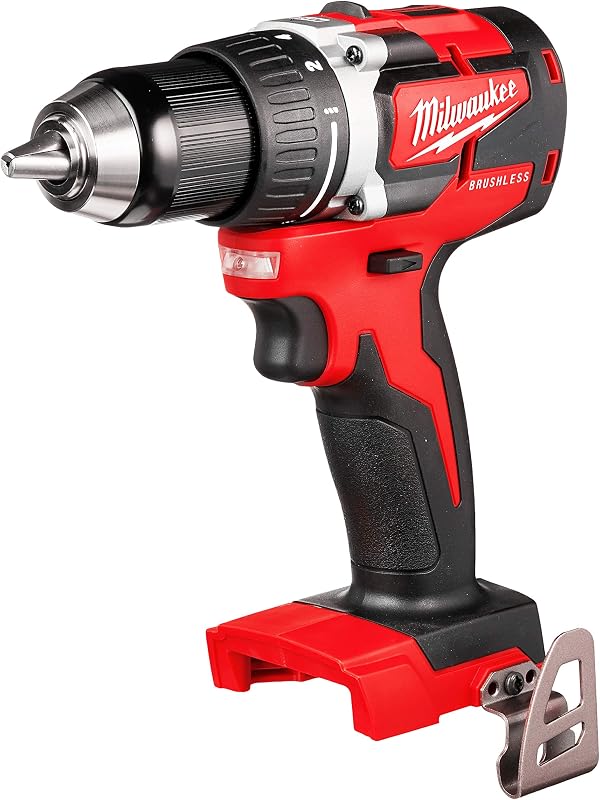
The fundamental dividing line between the DeWalt DCD777 and the DeWalt DCD806 comes down to impact capability and heavy-load engineering versus streamlined, everyday agility. The DCD806 is an XR-series hammer drill equipped with concrete-pulsing mechanics, an electronic kickback prevention system, and a 2,000 RPM transmission designed for high-stress commercial workloads. In contrast, the DCD777 is a dedicated drill-driver built around a compact 7.6-inch profile and 1,500 RPM drivetrain aimed directly at routine drilling, cabinet installation, and residential wood fastening.
Homeowners, woodworkers, and DIY enthusiasts needing an accessible, ready-to-run kit for household maintenance and light framing should pick the DCD777. General contractors, electricians, and tradespeople facing masonry anchors, dense framing timber, and repetitive hole-saw operations should choose the DCD806.


DeWalt DCD777 vs DeWalt DCD806 at a Glance
| Feature | DeWalt DCD777 | DeWalt DCD806 |
|---|---|---|
| Tool Category | Basic Drill / Driver | Hammer Drill |
| Motor Type | Brushless | Brushless XR |
| Maximum Rotational Speed | 1500 RPM | 2000 RPM |
| Speed Settings | 2-Speed (0-500 / 0-1500 RPM) | 2-Speed (0-650 / 0-2000 RPM) |
| Max Power Output | 300 Watts / 340 UWO | Up to 109% More Powerful (Watts not listed) |
| Torque Output | 53.1 N m | High-Torque Class (Exact N m not listed) |
| Chuck Size & Material | 1/2-Inch Single-Sleeve Ratcheting | 1/2-Inch Metal Ratcheting |
| Safety Anti-Kickback | Mechanical Clutch Only | ANTI-ROTATION Gyroscopic System with LED |
| Worklight Configuration | Single LED with 20-Second Delay | 3-Position Adjustable LED (70 Lumens) |
| Asset Tracking | Not listed | TOOL CONNECT CHIP Ready |
| Included Power Supply | 2.0 Ah Battery and Charger Included | Tool Only (Bare Tool) |
| Best For | General Woodworking & Home Repairs | Jobsite Framing, Masonry & Heavy Trade Work |
Hammer Drilling Action and Masonry Capability
The operational divide in any DCD806 hammer drill vs DCD777 drill driver showdown centers on the presence of a dedicated percussion mechanism. The DCD806 integrates a mechanical hammer mode designed specifically to pulverize brittle substrates like brick, mortar, poured concrete, and cinder block while rotating. When boring holes for masonry anchors, tapcons, or conduit brackets, a standard rotary tool simply scrapes against hard aggregates, generating friction and blunting carbide bits. The pulsing hammer action of the DCD806 fractures the mineral structure ahead of the bit, clearing debris quickly and efficiently.
By comparison, the DCD777 listing describes a dedicated basic drill-driver completely devoid of a hammer setting. While you can technically chuck a masonry bit into the DCD777 to scrape through soft mortar joints or drywall, attempting to drive anchor holes into aged foundation walls or patio slabs is inefficient and risks overheating the motor. When evaluating whether to choose the DeWalt DCD777 or DCD806 for masonry tasks, the DCD806 stands out as the only viable selection between these two tools. For readers who want to explore other hammer drill alternatives in the line, our dewalt dcd777 vs dcd996 breakdown provides deeper insight into DeWalt’s dedicated hammer mechanisms.
For DIY builders who exclusively fasten lumber, assemble flat-pack furniture, and mount drywall anchors, the absence of a hammer mechanism in the DCD777 is not a handicap; it eliminates internal mechanical bulk. However, for anyone who regularly fastens structural framing to foundation walls or installs electrical boxes on exterior brickwork, the percussion system of the DCD806 transforms an impossible chore into a standard 10-second drill operation.
Edge: DeWalt DCD806 because its integrated percussion hammer mechanism effortlessly drives through masonry, concrete, and brick where the rotary-only DCD777 cannot perform.
Power Output and Rotational Speed
Speed and sustained motor output define how fast an operator completes demanding boring tasks. The DCD777 vs DCD806 rpm difference illustrates a clear generational and performance divide. The DCD777 operates with a 2-speed gearbox topping out at 1,500 RPM, delivering 300 watts of maximum power (rated at 340 Unit Watts Out) and 53.1 N m of torque. This output is well-matched for driving three-inch deck screws, drilling through 2×4 studs with standard twist bits, and handling light hole saw work in pine or sheet metal up to its listed 0.5-inch drilling capacity.
The DCD806 pushes performance dramatically higher into the industrial realm. Its high-speed 2-speed transmission achieves a no-load velocity of 0-650 RPM in low gear and 0-2,000 RPM in high gear. According to official product specifications, the DCD806 is engineered to be up to 109% more powerful than predecessor models, generating severe rotational muscle capable of producing up to 175 holes per battery charge. When considering DCD777 vs DCD806 torque dynamics, the DCD806 maintains spindle momentum under heavy friction loads where the DCD777 would bog down, choke, or force the operator to drop down into low gear.
That extra 500 RPM at the top end of the DCD806 saves cumulative hours when drilling dozens of holes using self-feed bits or high-diameter spade cutters. The extra power margin also expands your capacity to bore through treated dense lumber, structural steel studs, and thick metal plate without stalling. Readers looking to weigh higher-tier industrial alternatives can compare this output against the commercial power detailed in our dewalt dcd806 vs dcd998 analysis.
Edge: DeWalt DCD806 due to its class-leading 2,000 RPM high gear and an advanced brushless motor that outputs more than double the working power of the DCD777.
Safety Control and Anti-Rotation Technology
High-torque cordless drills introduce a serious mechanical hazard: bit bind-up. When a large spade bit, hole saw, or masonry drill catches an embedded nail or rebar strand, the rotational torque transfers instantly from the drill bit into the tool body. In powerful tools without electronic protection, this sudden rotational twist can wrench the operator’s wrist, sprain tendons, or knock a worker off a ladder. This safety differential is a critical pillar of any comprehensive DeWalt DCD806 review.
To eliminate this risk, the DCD806 incorporates DeWalt’s advanced ANTI-ROTATION System. This onboard gyroscopic sensing technology actively monitors the rotational motion of the drill chassis in real time. If the bit binds and the tool body experiences an unexpected rotational whip, the internal sensor instantly cuts motor power. A dedicated red LED indicator on the tool housing illuminates to alert the user that the safety cutoff engaged. This allows tradespeople to push large augers and masonry cutters into wall cavities with complete peace of mind, knowing the tool protects their joints from violent torque transfer.
The DCD777 relies strictly on a standard adjustable mechanical friction clutch and operator vigilance. While the DCD777’s mechanical clutch functions reliably for setting screw depths in drywall or soft pine, it provides no active gyroscopic shutoff during heavy drilling in non-clutched drill mode. If a 1-inch spade bit locks up inside a dense timber knot while using the DCD777, the tool relies entirely on the operator’s grip and physical leverage to resist the twist. Similar safety differences are explored in our head-to-head review of the dewalt dcd771 vs dcd806.
Edge: DeWalt DCD806 because its electronic ANTI-ROTATION gyroscopic system senses tool binding and instantly halts the motor to protect user wrists.
Chuck Construction and Bit Retention
The chuck mechanism is the primary mechanical interface between the motor and your fastener or cutting accessory. The DCD777 utilizes a 1/2-inch single-sleeve ratcheting chuck. This chuck design is lightweight and allows for quick, single-handed bit changes when swapping between Phillips driver bits and pilot drills during residential carpentry. However, single-sleeve chucks featuring composite outer sleeves are more vulnerable to scuffing when working against abrasive surfaces, and under extreme torsional vibration, they can occasionally loosen their grip on smooth-shank steel bits.
The DCD806 is equipped with a heavy-duty 1/2-inch all-metal ratcheting chuck. An all-metal assembly is essential for a tool designed with a hammer mechanism. The constant axial percussion and violent vibration of hammering into poured foundation walls creates immense stress that can shatter or loosen composite assemblies. The hardened steel jaws and robust ratcheting ring of the DCD806 provide relentless biting pressure on drill shanks, preventing bit slippage when driving high-diameter hole saws or long masonry drill rods.
Furthermore, an all-metal chuck offers superior abrasion resistance when drilling close to masonry corners, structural steel beams, or abrasive cinder blocks. Where plastic sleeves can be abraded or cracked over years of commercial use, the metal nose of the DCD806 easily absorbs rough jobsite contact without compromising jaw alignment or bit centering.
Edge: DeWalt DCD806 thanks to its heavy-duty all-metal 1/2-inch ratcheting chuck that resists bit slipping during intense hammer vibration.
Worksite Illumination and Connected Asset Management
Visibility in under-cabinet recesses, unfinished basements, and cramped mechanical closets drastically impacts installation accuracy. The DCD777 features a base-mounted LED work light equipped with a 20-second trigger release delay. When you release the trigger, the lamp stays lit for a third of a minute, giving you sufficient illumination to inspect a driven screw or find your next pilot mark without holding the trigger down. It is an effective, simple lighting system that dramatically outclasses older non-delayed worklights.
The DCD806 upgrades work area illumination into an active task light. It features an adjustable, 3-position LED delivering up to 70 lumens of brightness, complete with an auto-shutoff timer function. Instead of casting shadows upward from a fixed angle, the pivoting head allows the operator to aim the light beam precisely onto the workpiece. At 70 lumens, this light can serve as a hands-free utility lantern when plumbing pipe penetrations or pulling electrical runs through dark attic joists.
Beyond lighting, the DCD806 incorporates modern connected jobsite engineering through its TOOL CONNECT CHIP READY housing (chip sold separately). When fitted with the chip, the tool pairs with the DEWALT Site Manager app, allowing commercial fleet supervisors and contractors to track tool location, inventory deployment, and jobsite asset data. The DCD777 listing specifies no integrated smart tracking support, making it an isolated tool rather than an inventory-managed asset. Similar tracking and lighting upgrades are discussed in our dewalt dcd777 vs dcd800 guide.
Edge: DeWalt DCD806 for its adjustable 3-position 70-lumen task light and modern TOOL CONNECT asset-tracking readiness.
Form Factor, Maneuverability, and Everyday Handling
While industrial features are valuable, they add structural bulk that can become burdensome during overhead work or tight-space assembly. This is where a focused DeWalt DCD777 review highlights the genius of compact engineering. The DCD777 measures an agile 7.6 inches from chuck nose to backplate. Paired with an ergonomic comfort grip handle that optimizes tool balance, it slips effortlessly into narrow stud cavities, under sink vanities, and between tight joist bays where longer drills cannot fit perpendicular to the work surface.
Furthermore, the DCD777 listing evaluated here is a complete kit (DCD777D1) containing a compact 2.0 Ah lithium-ion battery and charger. The 2.0 Ah pack keeps total tool weight minimal, reducing muscle fatigue during day-long overhead tasks like hanging drywall panels, fastening acoustic ceiling grids, or mounting upper kitchen cabinets. For users deciding between the DeWalt DCD777 or DCD806 for home use, this manageable footprint and low wrist strain provide noticeable day-to-day comfort.
The DCD806, offered as a bare tool in this comparison, is engineered with heavier metal gearing, a percussion hammer mechanism, a metal chuck, and an internal anti-rotation gyroscope. While it represents the pinnacle of compact XR power, its dense construction and 5 A rating make it noticeably heftier in hand, particularly when paired with larger XR battery packs. If your tasks consist of light drilling and fastener driving rather than structural framing, the extra mass of an XR hammer drill is unnecessary baggage. If compact handling is your highest priority, you might also compare smaller chassis variations in our dewalt dcd777 vs dcd801 overview.
Edge: DeWalt DCD777 because its 7.6-inch nose-to-tail length and included lightweight 2.0 Ah battery system provide unmatched maneuverability in cramped quarters.
Pros and Cons
DeWalt DCD777

Pros
- Includes 2.0 Ah battery and charger
- Compact 7.6-inch front-to-back length
- Lightweight design for easy overhead use
- Efficient brushless motor delivering 340 UWO
- Single-sleeve ratcheting chuck for rapid bit swaps
Cons
- No masonry hammer drilling capability
- Top speed limited to 1,500 RPM
- Lacks anti-rotation kickback shutoff protection
DeWalt DCD806

Pros
- Dedicated masonry hammer drilling mechanism
- ANTI-ROTATION gyroscopic bind-up protection
- High-velocity 2,000 RPM 2-speed transmission
- Heavy-duty 1/2-inch all-metal ratcheting chuck
- Pivoting 3-position 70-lumen work light
Cons
- Sold as bare tool without battery
- Heavier construction creates fatigue during light tasks
Who Should Buy Each One
Choose the DeWalt DCD777 If
- Your projects primarily involve assembling furniture, hanging shelving, mounting cabinets, and drilling into 2×4 framing lumber.
- You need a complete starter kit that includes a lightweight 2.0 Ah 20V MAX battery and dedicated charger straight out of the box.
- You frequently work in tight confines, between narrow framing studs, or under sinks where a short 7.6-inch tool head is essential.
- You want to minimize wrist strain and overhead fatigue during long, repetitive fastener driving sessions.
Choose the DeWalt DCD806 If
- You need a heavy-duty percussion tool to bore holes through concrete, brick, stone, and mortar for mechanical anchors.
- You use large hole saws, auger bits, or self-feed cutters and require electronic ANTI-ROTATION gyroscopic bind-up protection.
- You demand high-velocity drilling performance up to 2,000 RPM and up to 109% more working power output.
- You already own 20V MAX batteries and want a durable, all-metal chuck hammer drill ready for TOOL CONNECT asset tracking.
Final Verdict
For the vast majority of commercial tradespeople, remodeling contractors, and serious DIYers tackling varied structural materials, the DeWalt DCD806 is the superior power tool. Its massive power jump over entry-level tools, high-speed 2,000 RPM transmission, durable metal ratcheting chuck, and masonry-busting hammer mechanism provide the capability needed to finish tough jobs. When you consider whether it is DeWalt DCD806 worth it, the electronic ANTI-ROTATION system alone justifies the investment by stopping dangerous torque kickbacks before they can injure your wrist or hand.
However, the DeWalt DCD777 remains the smarter, more practical purchase for homeowners, hobbyists, and light-duty technicians who never touch masonry. Delivering 340 UWO of reliable brushless power, an agile 7.6-inch front-to-back chassis, and a complete ready-to-run kit with a 2.0 Ah battery and charger, the DCD777 easily masters all everyday residential drilling and fastening tasks without unnecessary jobsite weight.
FAQ
Can the DeWalt DCD777 drill into concrete or brick?
The DCD777 is a dedicated rotary drill-driver without a mechanical hammer function. While it can scrape small holes in soft mortar joints or soft brick using a specialty carbide bit, the listing does not recommend it for masonry. Drilling into dense concrete or foundation stone without a percussion mechanism is slow, overheats the motor, and quickly dulls standard drill bits.
What is the main RPM difference between the DCD777 and DCD806?
The DCD777 features a 2-speed transmission that reaches a maximum speed of 1,500 RPM. The DCD806 utilizes an upgraded 2-speed high-speed transmission with settings of 0-650 RPM in low gear and 0-2,000 RPM in high gear. That extra 500 RPM on the DCD806 enables significantly faster hole drilling in wood and metal.
Does the DeWalt DCD806 include a battery and charger?
The DCD806 model covered here (DCD806B) is sold as a bare tool only. It does not include a battery or charger in the package, making it an ideal option for users who already own DeWalt 20V MAX lithium-ion packs. In contrast, the DCD777D1 package comes complete with a 2.0 Ah battery and charger.
How does the ANTI-ROTATION system on the DCD806 work?
The ANTI-ROTATION system uses internal gyroscopic motion sensors to detect sudden, violent rotational twisting of the drill body, which happens when a bit binds in hard timber, rebar, or metal. The system instantly shuts off the motor in milliseconds and illuminates a red LED indicator to protect the operator from wrist and arm injuries.
Can both drills share the same DeWalt 20V batteries?
Yes. Both the DCD777 and DCD806 belong to the DEWALT 20V MAX platform. Any standard 20V MAX lithium-ion battery pack-from compact 2.0 Ah slim batteries to large high-capacity 5.0 Ah and XR packs-will lock securely into and power either tool.
What is the benefit of the DCD806 3-position worklight?
The DCD806 features an adjustable 3-position LED that puts out up to 70 lumens of light with an auto-shutoff function. Unlike fixed-angle drill lights, the pivoting head lets you aim the beam directly at the drill tip or use the tool as a stationary task light when working in unlit closets, crawlspaces, or ceiling cavities.
Is the DeWalt DCD777 powerful enough for building a backyard deck?
Yes. With 300 watts (340 UWO) of brushless power, 53.1 N m of torque, and a 1/2-inch chuck, the DCD777 easily handles drilling pilot holes, driving structural wood screws, and boring clearance holes in standard 2×4 and 2×6 pressure-treated decking timber.