Deciding between a charcoal grill and a gas grill ultimately comes down to a fundamental trade-off between the authentic, wood-smoke flavor produced by burning briquettes and the rapid, push-button convenience of multi-burner liquid propane. While charcoal units generate searing radiant embers and complex combustion aromas that traditional barbecue enthusiasts love, gas grills deliver effortless weeknight ignition, rapid preheating, and exact dial-controlled heat zones without messy ash disposal.
Choose a charcoal grill if you value rich smokiness, high-heat searing crusts, and the hands-on ritual of building a fire. Choose a gas grill if you prioritize rapid startup, minimal cleanup, and versatile multi-zone heat for stress-free family meals.
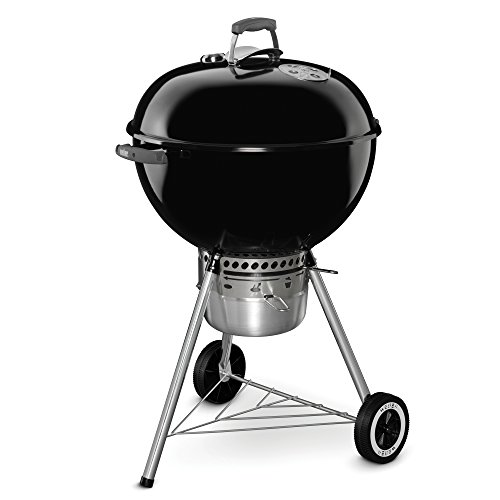
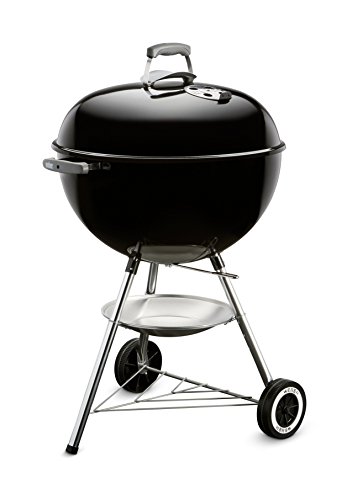


Charcoal Grill vs Gas Grill at a Glance
| Feature | Charcoal Grill | Gas Grill |
|---|---|---|
| Primary Fuel Source | Lump charcoal or charcoal briquettes | Liquid propane (LP gas) |
| Burners and Heating Elements | 1 main charcoal fuel grate | 3 independently controlled gas burners |
| Primary Cooking Area | 363 square inches (standard 22-inch kettle) | 360 to 434 square inches |
| Rated Heating Power | 8,000 BTU listed | 19,000 to 30,000 BTU total output |
| Temperature Control Method | Adjustable aluminum intake and exhaust dampers | Independent burner control dials and sear knobs |
| Ignition Mechanism | Manual ignition (chimney starter, fire starters, or matches) | Push-and-turn Snap-Jet individual burner ignition |
| Cooking Grate Material | Plated steel (hinged on premium models) | Porcelain-coated steel or porcelain-enameled cast iron |
| Ash and Grease Management | One-Touch cleaning system with aluminized steel ash catcher | Slide-out grease tray, drip pan, and Flavorizer Bars |
| Exterior Construction | Porcelain-enameled steel bowl and lid, aluminum frame | Cast-aluminum cook box, alloy steel, and stainless steel trim |
| Best For | Traditional smoky barbecue, high-heat crusts, and fire-tending purists | Fast weeknight dinners, multi-zone cooking, and push-button convenience |
Flavor Profile and Searing Capabilities
The primary reason backyard cooks gravitate toward charcoal is the distinct flavor profile created during the combustion process. When fat and meat drippings hit glowing charcoal embers, they instantly vaporize into aroma-rich smoke compounds that bathe the food as it cooks. Models like the Weber Original Kettle Premium Charcoal Grill, 22-Inch utilize a porcelain-enameled lid and bowl to trap these flavorful vapors around the food. In addition, the raw, radiant infrared heat generated by a concentrated bed of charcoal briquettes easily exceeds the baseline output of entry-level gas burners, allowing cooks to produce dark, caramelized crusts on thick steaks and burgers without overcooking the center.
Gas grills take an engineered approach to flavor and searing. A modern liquid propane unit like the Weber Spirit E-325 Gas Grill incorporates stainless steel Flavorizer Bars positioned directly above the burners. These angled metal deflectors catch dripping meat juices and sizzle them back into vapor to simulate traditional grill flavor while routing excess grease away from the flame to prevent uncontrolled flare-ups. To close the searing gap with solid fuels, the Spirit E-325 integrates dedicated Boost Burners that unleash 40 percent more power within its built-in Sear Zone, creating bold sear marks across porcelain-enameled cast-iron grates that retain heat evenly. While these metal bars produce a delicious grilled taste, the clean combustion of propane lacks the woodsy compounds generated by charcoal.
When evaluating charcoal vs gas grill flavor, charcoal holds an undeniable edge for recipes that benefit from heavy charring and aromatic smoke infusion. While gas grills with specialized sear zones can deliver restaurant-grade grill marks and rapid browning, they cannot replicate the authentic barbecue profile of glowing briquettes. If you frequently examine comparisons like a pellet grill vs gas grill to find robust wood aromatics, you will find that liquid propane prioritizes clean convenience over combustion flavor.
Edge: Charcoal grill. Real charcoal creates an unmatched wood-smoke aroma and intensely hot radiant embers that gas burner deflectors cannot fully duplicate.
Start-Up Convenience and Daily Usability
Daily usability is where the fundamental division between these two outdoor cooking methods becomes most pronounced. Operating a charcoal grill requires a deliberate preparation process. You must arrange the charcoal, ignite it using kindling or a chimney starter, wait fifteen to twenty minutes for the coals to ash over, and dump them across the fuel grate. Grills such as the Weber Original Kettle Charcoal Grill, 22-Inch include an angled lid hook that lets you hang the lid directly on the side of the bowl while tending the fire, and the Premium version adds a hinged cooking grate so you can drop in extra briquettes during longer cooks. Even with these ergonomic features, managing raw fuel remains a hands-on, multi-step chore.
A gas grill eliminates nearly all friction between deciding to cook and putting food over the flame. Units like the Megamaster Propane 3 Burner Gas Grill connect directly to an LP cylinder, firing up at the turn of a knob to deliver rapid heat across 434 square inches of cooking space. The Weber Spirit simplifies the process further with its Snap-Jet ignition system, allowing you to ignite each burner individually with one hand simply by pressing and rotating the dial. A gas grill reaches steady operating temperatures in five to ten minutes, turning spontaneous weeknight dinners into an effortless task rather than an hour-long project.
For shoppers deciding between a charcoal or gas grill for beginners, gas is far more forgiving when schedules are tight. Fire-building skills take practice to master, and extinguishing a charcoal kettle requires closing all dampers and waiting hours for the coals to cool completely. Gas grills turn on and shut off with the twist of a wrist, making them the superior platform for busy households that grill multiple nights a week. Upgraded kettle setups explored in guides like the weber original kettle vs performer deluxe add cart convenience to charcoal, but they still require manual briquette ignition.
Edge: Gas grill. Instant one-handed ignition and five-minute preheating make gas dramatically faster and more convenient for everyday cooking.
Temperature Control and Multi-Zone Cooking
Achieving stable, predictable temperatures is essential for delicate cuts of meat, seafood, and vegetables. Gas grills excel at heat regulation through independent, multi-burner valve control. The Megamaster 3-burner grill provides three 10,000 BTU burners that generate a combined 30,000 BTUs, letting you set high heat on the left, medium in the center, and low on the right. Similarly, the Weber Spirit features three main burner elements alongside its specialized boost dials. Setting up distinct direct and indirect cooking zones is as simple as turning off the center burner, closing the lid, and monitoring the built-in thermometer. Lowering the ambient temperature takes only seconds when you rotate the control panel dials down.
Charcoal grill heat retention is outstanding thanks to the porcelain-enameled lid and bowl construction seen on the Weber Kettle lineup, but temperature adjustments require manual airflow modulation. Controlling heat relies on adjusting the rust-resistant aluminum damper on the lid and the bottom air vents. Restricting oxygen cools the coals down, while opening the damper draws in air to increase combustion. Creating a two-zone cooking layout requires manually banking the charcoal to one side of the lower fuel grate. While skilled pitmasters can hold rock-steady temperatures for hours, lowering the heat of a charcoal bed that has become too hot is a slow process that takes considerable time.
For cooks who value agility, gas grill temperature control provides unmatched flexibility. You can sear chicken breasts over high heat and instantly move them to an unlit indirect burner zone without touching a damper or disturbing the fuel bed. While specialized dedicated charcoal smokers reviewed in comparisons like the weber original kettle vs smokey mountain 22 provide enhanced airflow tuning for low-and-slow cooks, a standard kettle demands constant vigilance compared to the set-and-forget dial interface of a multi-burner propane grill.
Edge: Gas grill. Multiple independent burners let you adjust separate heat zones instantly with front-panel knobs, avoiding the slow response of air damper adjustments.
Cleaning, Maintenance, and Waste Management
Cleaning an outdoor cooker involves two distinct types of residue: greasy food drippings and fuel byproducts. Charcoal grilling inherently produces fine ash that settles at the bottom of the firebox after every cook. Left unchecked, damp ash absorbs moisture, restricts airflow, and promotes corrosion. The Weber Original Kettle line addresses this chore using a patented One-Touch cleaning system. In the standard kettle, a three-blade damper sweeps ash into an aluminized steel collection dish. The Original Kettle Premium upgrades this setup with a high-capacity, enclosed aluminized ash catcher that detaches with a simple squeeze handle, preventing soot from blowing across your patio during breezy cleanups.
Gas grills produce no ash whatsoever, meaning your cleanup revolves entirely around grease management and cooking grates. The Weber Spirit incorporates a dedicated grease management system featuring angled Flavorizer Bars that funnel drippings past the burner tubes down into a wide funnel pan, which empties into a slide-out grease tray. The tray pulls out from the front of the cooker for quick disposal. The Megamaster relies on porcelain-coated steel cooking grates that offer natural non-stick properties, resisting rust and making food residue easy to scrape off using a standard grill brush. The stainless steel control panel on the Megamaster also wipes clean quickly with an outdoor degreaser.
While clearing an enclosed ash catcher on a premium charcoal kettle takes only a few minutes, handling charcoal remains fundamentally dirtier than managing propane. Carbon dust inevitably soils your hands, patio stones, and storage areas. Gas grills demand periodic scraping of their burner tubes and flavor bars to prevent blockages, but daily cleanup requires little more than brushing the hot grates and emptying a grease cup once every few cooks. If you prefer automated fuel setups like those seen in weber vs traeger evaluations, you know that keeping combustion dust to a minimum makes daily operation much cleaner.
Edge: Gas grill. Push-button propane completely eliminates flying soot and heavy ash pans, leaving you with simple grease cup emptying and grate brushing.
Build Quality, Materials, and Long-Term Durability
Evaluating long-term value requires looking past shiny finishes to examine structural materials and mechanical vulnerability. A classic charcoal grill has virtually no moving parts or electronic components. The Weber Original Kettle series is built around a heavy-gauge steel lid and bowl coated in porcelain enamel that is fused at high temperatures. This finish will not peel, resists rust, and handles intense heat cycles without degrading. Supported by an aluminum tripod frame, glass-reinforced nylon handles equipped with heat shields, and durable-plated steel grates, a charcoal kettle can sit on an exposed deck for years without mechanical failure, backed by Weber with a 10-year limited warranty.
Gas grills are significantly more complex machines containing gas regulators, internal hoses, brass valves, stainless steel burner tubes, spark igniters, and multiple structural panels. The Weber Spirit E-325 is engineered for durability, sporting a rugged cast-aluminum cook box that prevents rust and peeling, porcelain-enameled cast-iron cooking grates, hammertone metal folding side shelves, and a matching 10-year limited warranty. Meanwhile, value-oriented gas units like the Megamaster feature an alloy steel frame, a porcelain-coated steel firebox, powder-coated exterior finishes, and stainless steel handles. The Megamaster weighs 44 pounds, while the heavy-duty Weber Spirit weighs 98.1 pounds, reflecting its thicker metal castings and integrated side rails.
Because gas grills incorporate ignition wiring, gas orifices, and burner ports that can corrode, clog, or wear out over time, they require greater mechanical upkeep than a basic steel kettle. Is a gas grill worth it despite this complexity? Yes, provided you invest in durable cast-aluminum or porcelain-enameled cook boxes. However, when comparing pure resilience and resistance to mechanical failure, the simplicity of a charcoal kettle is unmatched. Even premium brands reviewed in comparisons such as weber vs napoleon recognize that simple, valve-free fireboxes inherently outlast complex burner assemblies in harsh outdoor environments.
Edge: Charcoal grill. Without electronic igniters, gas lines, or burner tubes to corrode or clog, simple porcelain-enameled steel kettles deliver longer mechanical life with less maintenance.
Pros and Cons
Charcoal Grill

Pros
- Authentic wood-smoke barbecue flavor profile
- High-heat radiant searing from natural charcoal
- Porcelain-enameled bowl with superior heat retention
- No complex burners, valves, or electronic igniters
Cons
- Longer preparation and preheat time
- Manual damper airflow temperature adjustments
- Requires ongoing ash disposal after every cook
View Weber® Original Kettle Premium Charcoal Grill on Amazon
Gas Grill

Pros
- Instant one-handed push-and-turn ignition
- Independent multi-burner temperature dial control
- High-output sear zones and folding prep shelves
- Clean operation without soot or charcoal ash
Cons
- Lacks deep authentic charcoal smoke aromatics
- More mechanical parts and burner tubes to maintain
- Requires continuous propane tank storage and refills
View Megamaster Propane 3 Burner Gas Grill on Amazon
Who Should Buy Each One
Choose the Charcoal Grill If
- You prioritize deep, authentic wood-smoke aromatics and charred crusts on thick steaks and burgers.
- You enjoy the hands-on ritual of lighting, managing, and banking real charcoal fires on weekends.
- You want a lightweight, durable cooker with no electronic igniters, burner tubes, or gas hoses to maintain.
- You prefer heavy porcelain-enameled steel bowls that retain heat effectively and resist peeling under intense temperatures.
Choose the Gas Grill If
- You need rapid, push-button ignition and five-minute preheating for quick weeknight family dinners.
- You regularly cook multi-course meals requiring separate, independently controlled low and high temperature zones.
- You want to eliminate soot, flying embers, and ongoing ash disposal chores from your patio cooking routine.
- You value integrated side prep tables, tool storage hooks, warming racks, and dedicated sear zone burners.
Final Verdict
For the vast majority of everyday home cooks, the gas grill is the more practical investment. Outdoor cooking is most rewarding when it happens frequently, and the push-button simplicity of systems like Snap-Jet ignition, paired with multi-burner dial controls, removes the time barriers associated with lighting coals. Grills like the Megamaster 3-Burner and Weber Spirit E-325 provide ample cooking surface, convenient warming racks, and instant multi-zone heat management. They allow you to prepare casual weeknight dinners in the time it takes a chimney of charcoal briquettes to catch fire, completely bypassing messy soot and ash cleanup.
However, if your primary goal is maximizing outdoor barbecue flavor, the charcoal grill remains the undisputed champion. No gas deflector bar or boost burner can completely duplicate the sizzling sear, wood-smoke rings, and rich caramelization produced by glowing charcoal embers. Grills like the Weber Original Kettle and Kettle Premium offer time-tested porcelain-enameled heat retention, simple One-Touch ash sweeping, and unbeatable mechanical durability backed by 10-year warranties. If you view grilling as an engaging outdoor hobby rather than a rushed chore, the charcoal kettle delivers superior culinary results every time you light the fire.
FAQ
Which grill produces better flavor, charcoal or gas?
Charcoal grills produce a richer, more authentic barbecue flavor. When fats and juices drip onto glowing coals, they vaporize into aromatic combustion gases that coat the food in traditional wood-smoke flavors. While gas grills use metal flavorizer bars to vaporize drippings, the clean-burning nature of propane cannot replicate the complex taste of real charcoal embers.
Is a gas grill better for beginners than a charcoal grill?
A gas grill is generally easier for beginners because it operates similarly to an indoor kitchen stove. You ignite the burners with a push-button dial, adjust cooking temperatures instantly using individual burner knobs, and preheat the grates in under ten minutes. Charcoal grills require learning proper fire-building techniques, airflow damper adjustments, and coal placement to manage heat effectively.
How does cooking steaks on charcoal compare to cooking on gas?
Cooking steaks over charcoal allows you to achieve a deeply caramelized crust thanks to the high radiant infrared heat generated by glowing coals. On a gas grill, searing thick steaks requires high-output burners or dedicated sear zones, such as the Boost Burners found on the Weber Spirit E-325, paired with heavy cast-iron grates that store and transfer thermal energy directly to the meat.
How long does it take to preheat a charcoal grill compared to a gas grill?
A gas grill reaches cooking temperature within five to ten minutes after turning the burner control knobs. A charcoal grill takes roughly fifteen to twenty-five minutes from the time you light the briquettes until the coals ash over and the porcelain-enameled cook box reaches a steady operating temperature.
Are charcoal grills harder to clean than gas grills?
Charcoal grills involve more cleanup because they generate physical ash with every use. Models equipped with a One-Touch cleaning system and enclosed high-capacity ash catchers make sweeping and emptying ash simple, but you must still empty the ash regularly. Gas grills produce no ash, requiring only routine grate brushing and occasional emptying of a slide-out grease tray.
Can you create multi-zone cooking areas on both grill types?
Yes, both grill types support multi-zone cooking, but gas grills make the process much easier. With a multi-burner gas grill, you simply turn off one burner to create an indirect heat zone. On a charcoal grill, you must manually push all the lit coals to one side of the lower grate, creating a two-zone fire for direct searing and indirect roasting.
Is a gas grill worth the extra investment over a charcoal kettle?
A gas grill is worth the investment if you want to cook outdoors multiple nights a week without dealing with long prep times or messy charcoal handling. The convenience of instant ignition, multi-burner temperature control, and built-in side tables turns outdoor cooking into a fast, accessible option for busy households.