The fundamental distinction between continuous positive airway pressure and bilevel positive airway pressure centers entirely on airflow delivery mechanics. Standard continuous positive airway pressure systems deliver a single, uninterrupted stream of pressurized air across both inhalation and exhalation cycles, maintaining airway patency through pneumatic splinting. In contrast, bilevel positive airway pressure devices deliver two discrete pressure settings: an elevated inspiratory pressure that assists lung expansion during inhalation, and an automatically reduced expiratory pressure that allows users to breathe out without fighting heavy resistance.
Choose a CPAP device if you have standard obstructive sleep apnea and can exhale comfortably against a constant, fixed pressure stream throughout the night. Choose a BiPAP machine if you require higher therapeutic pressures, suffer from respiratory conditions such as chronic obstructive pulmonary disease or central sleep apnea, or have consistently struggled to tolerate exhaling against continuous single-pressure airflow.

CPAP vs BiPAP at a Glance
| Attribute | CPAP | BiPAP |
|---|---|---|
| Pressure Delivery Method | Single continuous pressure across breathing phases | Dual pressure: independent inspiratory and expiratory levels |
| Pressure Range Support | Typically 4 to 20 cm H2O | Typically 4 to 25 or 30 cm H2O |
| Primary Clinical Indications | Uncomplicated Obstructive Sleep Apnea (OSA) | Complex Sleep Apnea, Central Sleep Apnea, COPD, Hypoventilation |
| Exhalation Resistance Level | Constant resistance matching therapeutic setpoint | Significantly lowered via independent expiratory pressure |
| Prescription and Titration | Standard sleep study or auto-titrating protocol | Specialized in-lab titration or clinical pulmonary prescription |
| Accessory Maintenance Compatibility | Cleaned using mask wipes and spray solutions | Cleaned using identical mask wipes and spray solutions |
| Mechanical Algorithm Complexity | Single-pressure baseline or auto-adjusting median | Dynamic flow-cycling sensors tracking breath initiation and transition |
| Best For | Standard Obstructive Sleep Apnea | High pressure needs, ventilatory failure, and exhalation intolerance |
Pressure Settings and Airflow Mechanics
Understanding the core operational difference between positive airway pressure modalities requires examining how air moves into the upper airway. A continuous positive airway pressure machine operates as a pneumatic splint. It generates a steady column of pressurized room air, measured in centimeters of water (cm H2O), to keep the soft tissues of the pharynx and palate from collapsing during sleep. Whether configured to a fixed manual setting or operating via automated pressure adjustment, the machine maintains that pressure floor uniformly. When you inhale, the pressurized column holds the airway open; when you exhale, you push back against that exact same mechanical pressure column.
A bilevel system introduces a dynamic mechanical shift by employing two distinct pressure targets: Inspiratory Positive Airway Pressure (IPAP) and Expiratory Positive Airway Pressure (EPAP). When the device detects the start of an inhalation, it ramps rapidly to the IPAP level to open the airway and assist airflow into the lungs. The moment inhalation ceases, internal pressure transducers cycle the blower motor down to the lower EPAP setting, allowing the chest wall to recoil naturally. Comparing mechanical performance dynamics is just as essential in clinical hardware as it is in workshop machinery, much like analyzing power output and motor consistency in the dewalt dcf809 vs dcf888 evaluation.
The gap between these two settings is known clinically as pressure support. On standard continuous machines, pressure relief features can only drop exhalation pressure by one to three centimeters of water, which is often insufficient for individuals on high prescription numbers. Bilevel machines allow for a much wider spread between IPAP and EPAP, frequently accommodating pressure ranges up to 25 or even 30 cm H2O. When reviewing the mechanical difference between cpap and bipap machines, this wide pressure delta allows the bilevel platform to function not merely as an airway splint, but as a non-invasive ventilatory support mechanism that physically unloads the work of breathing.
Edge: BiPAP. Dual independent pressure settings offer superior airflow adaptability and customized ventilatory support across both phases of the respiratory cycle.
Comfort and Exhalation Resistance
Therapy adherence in sleep medicine hinges almost entirely on nocturnal breathing comfort. When a patient uses a continuous system at higher prescription levels-such as 14 cm H2O or above-exhaling against that relentless incoming pressure can feel like blowing air into an active leaf blower. This continuous opposing force can cause fatigue in the intercostal muscles, nighttime awakenings, and aerophagia, a painful condition where pressurized air enters the esophagus and stomach instead of the lungs. For many sleepers, continuous single pressure creates a persistent sensation of suffocation during exhalation, directly undermining therapy compliance.
Bilevel devices resolve this physical barrier by dropping down to the predetermined EPAP baseline during exhalation. This pressure drop substantially reduces the effort required to empty the lungs, closely mimicking unassisted natural respiration. Patients who find themselves repeatedly waking up to rip off their interface often ask whether is bipap worth it to salvage their sleep quality. In situations where high pressure creates severe airway resistance, switching from cpap to bipap transforms treatment adherence by eliminating the physical strain of forced exhalation against a static column of air.
Selecting the appropriate airflow mechanism mirrors capacity planning in heavy-duty appliances, similar to evaluating mechanical leverage and load distribution in the kitchenaid pro 5 plus vs bowl-lift 7 qt analysis. The mechanical ability of a bilevel device to alleviate expiratory strain provides immediate physical relief, preventing airway drying, reducing mask leaks caused by high exhalation pressure spikes, and lowering the incidence of gastrointestinal gas buildup.
Edge: BiPAP. The dramatic reduction in exhalation pressure significantly minimizes breathing fatigue and physical resistance compared to constant single-pressure flow.
Condition Specificity and Clinical Suitability
While mechanical comfort is vital, the choice between these two therapies is primarily governed by clinical diagnosis and underlying respiratory physiology. Standard continuous therapy remains the worldwide front-line standard for uncomplicated Obstructive Sleep Apnea (OSA). When assessing whether to choose cpap or bipap for sleep apnea, continuous pressure is nearly always the initial recommendation because standard obstructive events require nothing more than physical airway stabilization. For millions of individuals whose respiratory drive and lung function are completely normal, a single continuous pressure level effectively prevents apnea and hypopnea events throughout the sleep cycle.
However, obstructive sleep apnea is not the only condition that impairs nocturnal respiration. Patients suffering from chronic pulmonary diseases encounter significant carbon dioxide retention and weakened ventilatory muscles. When evaluating cpap or bipap for copd, bilevel therapy is distinctly preferred because the mechanical difference between IPAP and EPAP actively facilitates carbon dioxide clearance and aids alveolar ventilation. Continuous pressure on its own does not assist with mechanical gas exchange; it merely stents the throat. For patients with overlap syndrome, obesity hypoventilation, or neuromuscular disorders like amyotrophic lateral sclerosis, the dual-level ventilatory assistance of a bilevel device is medically necessary.
A similar requirement emerges when analyzing bipap vs cpap for central sleep apnea. Central apneas originate in the brainstem rather than from a physical throat obstruction; the brain temporarily fails to send signals to the diaphragm to initiate breathing. Standard continuous pressure cannot resolve central pauses because stenting an open airway does nothing if the chest is motionless. Advanced bilevel units can incorporate timed backup rates that automatically deliver a timed breath if spontaneous breathing pauses, functioning as an active safety net where continuous therapy would fail.
Edge: BiPAP. It accommodates complex respiratory challenges, ventilatory failure, hypercapnia, and central sleep apnea that continuous single-pressure units cannot treat.
Equipment Maintenance, Sanitization, and Accessory Usability
Regardless of how air pressure is managed internally, both continuous and bilevel machines require identical vigilance regarding hygiene and accessory care. Warm, humidified air passing through silicone masks and corrugated tubing creates an environment ripe for microbial growth. Without proper daily sanitization, equipment can harbor bacteria, molds, and viruses that cause persistent sinus infections or respiratory complications. Both machine types rely on the same interface form factors, including full-face cushions, nasal pillows, heated humidification chambers, and six-foot delivery hoses.
Daily maintenance on standard continuous setups often relies on dedicated cleaning supplies to remove skin oils, facial moisture, and dust without degrading fragile silicone seals. An example of this daily care regimen is utilizing XL CPAP Mask Wipes by DuraCleanse, which come in a 150-count container plus a 6-count travel pack (model CPAP-Wipes-P1, measuring 2.87 x 0.13 x 6.22 inches and weighing 1.46 pounds). These unscented cleaner wipes are designed to clean full-face and nasal interfaces without requiring water immersion, helping users preserve the cushion seal integrity on both continuous and bilevel interfaces alike.
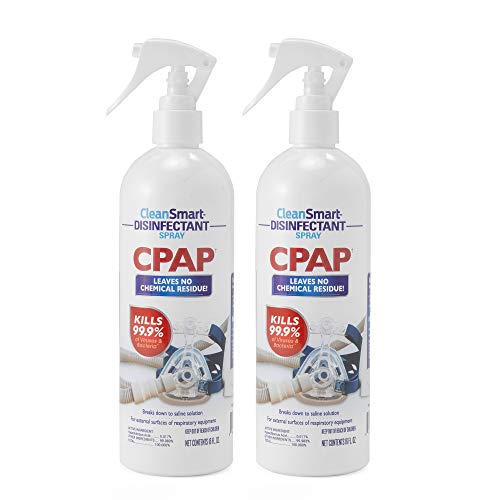
For deeper sanitization across hoses, mask frames, and water reservoirs, specialized aerosol solutions eliminate microscopic contaminants without leaving harsh chemical residues. A common example is CleanSmart CPAP Disinfectant Spray from Simple Science, packaged as a 16-ounce two-pack (dimensions 9.13 x 4.84 x 2.4 inches, weight 2.23 pounds). This spray kills 99.9% of bacteria, fungi, and viruses without requiring rinsing, dissolving into simple water with zero harmful chemicals or fumes, and is safe for use on baby pacifiers, CPAP equipment, BiPAP devices, nebulizers, and nasal cannulas. Consistent upkeep protocols dictate product performance here just as clearly as routine maintenance preserves floor cleaning machinery in our bissell crosswave pet pro vs little green comparison.
Edge: Tie. Both device categories share identical hose dimensions, mask interfaces, and sanitization protocols, utilizing the exact same wipes, disinfectants, and replacement schedules.
Setup Complexity, Titration, and Everyday Compliance
The operational simplicity of initiating therapy represents a major practical difference between these platforms. Standard continuous positive airway pressure systems feature straightforward titration pathways. Most modern units are auto-adjusting (APAP), meaning built-in algorithmic sensors automatically calculate the minimal pressure required to resolve airway resistance in real time. Patients can frequently be diagnosed through straightforward Home Sleep Apnea Tests (HSAT) and begin treatment with minimal manual programming. This operational simplicity allows clinicians to manage therapy remotely and enables users to acclimate quickly.
In contrast, configuring a bilevel device demands precise clinical expertise. Determining the appropriate IPAP, EPAP, pressure support spread, rise time, and trigger sensitivity typically requires an overnight in-laboratory polysomnography titration study. If the pressure support delta is miscalculated, or if the transition timing does not align with the patient’s intrinsic respiratory rate, the machine can cause hyperventilation, induce treatment-emergent central apneas, or create patient-ventilator dyssynchrony. Much like evaluating variable motor controls in kitchen appliances such as the kitchenaid artisan vs pro 5 plus review, increased setting complexity demands greater user oversight and professional calibration.
This technical disparity directly influences everyday user compliance. For standard sleep apnea, a continuous machine offers an unencumbered plug-and-play experience once an optimal pressure baseline is achieved. Bilevel systems, while offering unmatched therapeutic comfort when configured correctly, introduce multiple variables that may require recurring clinical adjustments. Routine monitoring is critical to verify that the patient remains synchronized with the dual-level switching algorithms as their health or sleeping positions fluctuate.
Edge: CPAP. Automated single-pressure titration, lower clinical complexity, and simplified home onboarding make continuous units substantially easier to implement.
Machine Architecture and Algorithmic Control
Beneath the outer casing, the internal engineering of these systems diverges significantly. A continuous machine relies on a high-speed motor turbine paired with an internal pressure sensor. The turbine spins up to generate the commanded pressure baseline, making minor rotational adjustments to compensate for intentional exhalation vent flow and unintentional mask leaks. Because the target pressure remains constant throughout the respiratory cycle, the internal control loop is streamlined, resulting in robust mechanical durability and highly reliable pressure output.
A bilevel machine incorporates complex flow-cycling algorithms and rapid-response brushless motors capable of transitioning between two widely divergent pressure targets in fractions of a second. The device must continuously sample airflow velocity, detecting the microsecond when an inhalation ends to drop the blower speed and transition to EPAP. Furthermore, these machines feature adjustable rise times-the speed at which the blower ramps from EPAP to IPAP-and cycle sensitivities that match the natural inspiratory effort of the patient. Just as evaluating mechanical durability and daily performance is vital in household systems like the bissell crosswave pet pro vs proheat 2x revolution comparison, bilevel hardware requires precision engineering to handle constant, rapid cycling.
Because the blower motor inside a bilevel machine is constantly accelerating and decelerating thousands of times per night, the thermal management, sound dampening, and transducer calibration must adhere to elevated engineering tolerances. This sophistication provides superior ventilatory tracking, but it also places higher demands on the internal circuitry and dynamic sensors compared to the steady-state turbine architecture found in standard continuous devices.
Edge: BiPAP. Advanced pressure transducers, rapid-cycling turbine motors, and responsive breath-tracking algorithms provide far more sophisticated airflow engineering.
Pros and Cons
BiPAP
Pros
- Independent inhalation and exhalation pressure settings
- Significantly lowers exhalation resistance
- Assists ventilation in COPD and central apnea
- Higher pressure range capacity up to 30 cm H2O
Cons
- Demands complex in-lab clinical titration
- Risk of patient-ventilator dyssynchrony if misconfigured
Who Should Buy Each One
Choose the CPAP If

- You have been diagnosed with standard, uncomplicated Obstructive Sleep Apnea.
- Your prescribed therapeutic pressure is moderate, typically falling below 12 to 14 cm H2O.
- You can exhale comfortably against a steady incoming column of pressurized air.
- You want a streamlined therapy setup that requires minimal diagnostic calibration and simple home operation.
Choose the BiPAP If
- You suffer from chronic respiratory conditions such as COPD, overlap syndrome, or hypoventilation.
- You have been diagnosed with Central Sleep Apnea or complex sleep apnea requiring ventilatory assistance.
- You require high therapeutic pressures above 15 cm H2O and suffer from severe exhalation resistance or aerophagia.
- You have previously failed continuous single-pressure therapy due to persistent chest discomfort or compliance intolerance.
Final Verdict
For the vast majority of individuals seeking relief from obstructive sleep apnea, standard continuous positive airway pressure remains the undisputed champion. It provides an efficient, clinically proven, and mechanically streamlined solution that eliminates soft tissue airway collapse without requiring complex multi-variable titration. When paired with effective hygiene supplies such as unscented wipes and hospital-grade sanitizing sprays, a continuous system delivers years of reliable therapy, making it the right recommendation for first-line airway stabilization.
However, when breathing mechanics are complicated by high therapeutic pressure demands, severe exhalation resistance, chronic pulmonary disease, or central apneas, the bilevel platform is completely indispensable. While the dual-pressure mechanics introduce higher prescription complexity and require precise clinical titration, the resulting reduction in exhalation effort and targeted ventilatory support provide life-changing comfort for patients who cannot tolerate continuous pressure. For complex respiratory profiles, the specialized engineering of a bilevel system is unquestionably worth the investment.
FAQ
What is the difference between CPAP and BiPAP machines?
The primary distinction lies in pressure delivery across the breathing cycle. A continuous positive airway pressure machine delivers a single, unchanging pressure level during both inhalation and exhalation. A bilevel positive airway pressure machine alternates between two separate pressure settings: a higher inspiratory positive airway pressure (IPAP) to assist inhalation, and a lower expiratory positive airway pressure (EPAP) to allow easy exhalation.
Can you use standard CPAP wipes and disinfectants on a BiPAP machine?
Yes, both machine types use identical interface components, including silicone mask cushions, headgear, water chambers, and standard tubing. Cleaning supplies formulated for continuous devices, including unscented mask wipes and non-toxic sanitizing sprays, are fully compatible with bilevel hardware and will not degrade silicone seals or leave harmful chemical residues.
When is switching from CPAP to BiPAP recommended?
A transition from continuous to bilevel therapy is typically recommended when a patient cannot tolerate exhaling against high continuous pressures, experiences severe aerophagia, or continues to suffer from disruptive nighttime awakenings. It is also prescribed when follow-up sleep studies reveal complex sleep apnea, treatment-emergent central apneas, or underlying ventilatory insufficiency.
Is BiPAP better than CPAP for treating COPD?
Yes, bilevel therapy is vastly superior for treating patients with chronic obstructive pulmonary disease. Continuous single pressure only stents the upper airway, whereas the pressure difference between IPAP and EPAP on a bilevel machine assists with alveolar ventilation, reduces the physical workload on fatigued respiratory muscles, and actively promotes the clearance of retained carbon dioxide.
Do CPAP and BiPAP machines use the same masks and tubing?
Yes, both device types utilize standardized 22mm or slimline 15mm tubing connections and connect to the exact same full-face, nasal, or nasal pillow masks. The choice of interface depends on individual facial anatomy, nasal breathing ability, and personal preference rather than whether the device delivers single or dual pressure.
Why does BiPAP require a more specific prescription than CPAP?
Bilevel devices function as non-invasive ventilatory support systems, requiring precise clinical calibration of inspiratory pressure, expiratory pressure, and pressure support deltas. Incorrect settings can cause respiratory dyssynchrony, hyperventilation, or induced central apneas, necessitating detailed sleep laboratory titration or direct pulmonary specialist prescription.