The single deciding difference between these two wearables comes down to form factor and software focus: the Google Fitbit Charge 6 is a slender fitness band deeply integrated with Google utilities, while the Garmin vívoactive 6 is a full-sized AMOLED smartwatch built around comprehensive athletic recovery and multi-satellite navigation.
Choose the Fitbit Charge 6 if you want an unobtrusive wristband that delivers turn-by-turn directions, tap-to-pay convenience, and simple daily wellness tracking. Choose the Garmin vívoactive 6 if you want dedicated training plans, detailed recovery metrics, nap detection, and a circular display tailored for active workouts.
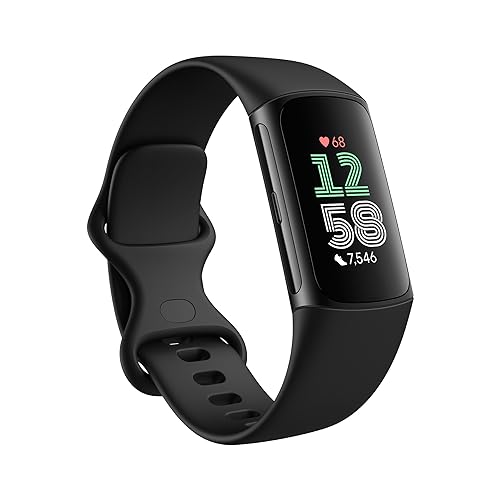

Fitbit Charge 6 vs Garmin vívoactive 6 at a Glance
| Feature | Fitbit Charge 6 | Garmin vívoactive 6 |
|---|---|---|
| Device Type | Fitness Tracker | Smartwatch |
| Screen & Case Shape | Rectangular Touchscreen | 42mm Round AMOLED Touchscreen |
| Case Material | Stainless Steel or Metal | Fiber-reinforced polymer |
| Water Resistance | 50 meters | 50 meters |
| Satellite Positioning | Built-in GPS | GPS, GLONASS, Galileo, QZSS |
| Sports Modes | 40+ exercise modes | 80+ built-in sports apps |
| Battery Life | Not listed | Up to 11 days in smartwatch mode |
| Unique Health Sensors | ECG, SpO2, Temperature Sensor | HRV status, Pulse Ox not listed |
| Smart Utilities | Google Maps, Google Wallet, YouTube Music | Smart notifications, Find My Phone |
| Best For | Streamlined daily health & Google tools | Deep athletic recovery & workout coaching |
Sports Tracking and Workout Coaching
When you evaluate athletic utility, the software depth behind each workout mode dictates how useful the wearable is once you leave the house. In any detailed Garmin vívoactive 6 review, the sheer breadth of athletic support stands out. The vívoactive 6 arrives loaded with more than 80 built-in indoor and GPS sports apps covering running, walking, cycling, swimming, mobility, golf, and high-intensity interval training. Beyond raw counts, the smartwatch incorporates animated on-screen workouts for yoga, Pilates, cardio, and strength that demonstrate proper movement form right on the 42mm AMOLED screen. Users can access Garmin Coach adaptive training plans that adjust dynamically to personal health and recovery figures, as well as personalized daily suggested walking workouts.
The Fitbit Charge 6 takes a more streamlined approach centered on everyday movement. It provides 40+ exercise modes with automatic exercise tracking, allowing you to log workouts without manually starting a session. A key feature highlighted on the Charge 6 listing is its ability to transmit real-time heart rate data directly to compatible gym equipment, such as treadmills and elliptical machines. It also aggregates your workout exertion into Active Zone Minutes and a Daily Readiness metric. However, guided structured progression on the device relies heavily on the optional Google Health Premium service, which supplies coaching powered by Gemini algorithms following an initial 3-month trial.
Choosing between them for dedicated exercise routines highlights a distinct capability gap. If you regularly switch between diverse athletic disciplines or require structured pacing assistance, the Garmin vívoactive 6 supplies native workout benefit analysis, recovery time calculations, and free adaptive plans without recurring membership requirements. The Charge 6 offers dependable logging and gym machine pairing, but lacks the on-screen form demonstrations and extensive standalone sports profiles found on the Garmin model. Those who have read our fitbit charge 5 vs garmin vívoactive 6 comparison will recognize Garmin’s persistent edge in athletic coaching.
Edge: Garmin vívoactive 6 provides twice as many sports profiles, animated movement guides, and built-in adaptive coaching without mandatory subscription tiers.
Health Monitoring and Sleep Recovery
Wearables have transformed from basic step counters into round-the-clock biological dashboards. Deciding on the Fitbit Charge 6 or Garmin vívoactive 6 for sleep tracking depends on whether you prioritize holistic energy modeling or specific physiological sensor data. The vívoactive 6 features Garmin’s Body Battery energy monitoring, which pools stress, sleep duration, daytime activity, and heart rate variability to grade your remaining physical reserves. Crucially, the vívoactive 6 includes automatic nap detection, factoring midday rests into your overall recovery picture alongside a personalized sleep coach and a morning report summarizing health metrics.
The Fitbit Charge 6 counters with a formidable array of discrete biomedical sensors. Its hardware suite includes an ECG app to evaluate heart rhythm, an SpO2 sensor for blood oxygen checks, a skin temperature sensor, an ambient light sensor, and an optical heart rate monitor. The device translates this information into a nightly Sleep Score, a stress management score, and Daily Readiness markers. The Charge 6 also features a Smart Wake alarm that vibrates during optimal sleep phases to prevent abrupt morning awakenings-a feature also matched by the vívoactive 6’s gentle wake system.
Despite the Charge 6 housing specialized hardware like an ECG and a temperature sensor, the vívoactive 6 delivers a more cohesive day-to-day recovery ecosystem. The automatic logging of naps on the Garmin device fills a common blind spot in modern activity tracking, ensuring that fragmented rest is properly rewarded in your daily stats. Conversely, if checking heart rhythm via an on-demand ECG sensor is essential to your peace of mind, the Charge 6 provides that capability directly from its stainless steel casing, whereas the vívoactive 6 listing does not include an ECG feature. For shoppers weighing alternative form factors, reading our fitbit sense 2 vs garmin vívoactive 6 breakdown offers further perspective on advanced sensor arrays.
Edge: Tie. Garmin vívoactive 6 leads in recovery coaching and nap tracking, while Fitbit Charge 6 carries more specialized clinical sensors like ECG and skin temperature hardware.
Navigation and GPS Performance
For outdoor walkers, cyclists, and runners, accurate route recording and navigational guidance make or break a wearable. In the debate over Fitbit Charge 6 or Garmin vívoactive 6 for running, satellite hardware plays an essential role. The Garmin vívoactive 6 listing specifies support for an extensive multi-satellite navigation system including GPS, GLONASS, Galileo, and QZSS. This broad satellite reception allows the 42mm watch to communicate with multiple constellations simultaneously, which helps preserve signal continuity when running beneath heavy tree foliage or near tall structures.
The Fitbit Charge 6 listing identifies built-in GPS for untethered exercise mapping, meaning you can record outdoor runs without carrying a connected smartphone. Where the Charge 6 innovates is in its direct integration with Google Maps. When connected to your smartphone, the tracker pushes turn-by-turn directions straight to your wrist screen. This makes navigating new city streets, cycling paths, or casual running routes straightforward, eliminating the need to take your phone out of your pocket at every intersection.
When examining Fitbit Charge 6 vs Garmin vívoactive 6 GPS accuracy expectations, the multi-GNSS architecture of the vívoactive 6 holds a distinct hardware advantage for technical positioning. However, the Fitbit Charge 6 delivers practical turn-by-turn guidance that the Garmin listing does not describe. If your primary goal is clean positional data across varied terrain, Garmin’s four-satellite support is ideal; if your goal is everyday urban wayfinding, Google Maps on the Charge 6 provides unmatched utility in a micro tracker format.
Edge: Garmin vívoactive 6 for raw satellite connectivity across global constellations; Fitbit Charge 6 for visual turn-by-turn street navigation.
Display, Build, and Form Factor
Physical construction directly influences how comfortable a fitness tracker feels across 24 hours of continuous wear. The Fitbit Charge 6 retains the iconic slim fitness band silhouette. Built with a rectangular housing crafted from stainless steel or metal and paired with a soft silicone band, it minimizes bulk on the wrist. Its low profile makes it virtually unnoticeable under long sleeves, during intense gym sessions, or while sleeping. The touchscreen interface is responsive, navigating through daily statistics with simple swipes.
The Garmin vívoactive 6 adopts a traditional circular smartwatch layout with a 42mm fiber-reinforced polymer case and a classic tang buckle silicone strap. The centerpiece of the vívoactive 6 is its bright, colorful AMOLED touchscreen display. The expansive circular real estate makes glancing at multi-data workout screens, full text notifications, and animated workout figures vastly easier while in motion compared to reading compact text across a narrow band.
The trade-off between these builds centers on screen utility versus wrist unobtrusiveness. The vívoactive 6 weighs more heavily in presence, appearing as a modern sports watch that commands wrist space. The Charge 6 functions as a discreet piece of fitness jewelry that stays out of your way. Both models share a 50-meter water resistance rating, ensuring full survivability in the pool or shower, but the larger AMOLED canvas of the Garmin device provides superior legibility for mid-run metrics. Readers curious about larger smartwatches can compare options in our fitbit versa 4 vs garmin vívoactive 6 guide.
Edge: Garmin vívoactive 6 for workout visibility and display size; Fitbit Charge 6 for minimalist, low-profile comfort.
Battery Life and Daily Endurance
Charging routines often dictate whether a wearable remains on your wrist or ends up abandoned on a nightstand. In any assessment of Fitbit Charge 6 vs Garmin vívoactive 6 battery life, the available manufacturer data establishes a clear baseline for the Garmin smartwatch. The Garmin vívoactive 6 listing explicitly states an operating endurance of up to 11 days in smartwatch mode on a single charge. This extended lifespan allows you to track more than a week of sleep, daily steps, multiple workouts, and daytime naps without reaching for the charging cord.
In contrast, the Amazon listing for the Fitbit Charge 6 does not specify a concrete battery runtime figure. While fitness trackers of this physical scale generally prioritize energy-efficient components, prospective buyers must rely on real-world experiences rather than an advertised manufacturer longevity spec from the official listing. The lack of an explicit runtime rating in the product specification leaves the Garmin smartwatch as the only contender with documented multi-day endurance in this comparison.
Long battery cycles are particularly vital if you plan to rely on continuous biometric tracking, such as nightly sleep coaching, HRV monitoring, and the morning report. Having to remove your tracker every couple of days disrupts data consistency and sleep logs. With an 11-day rating, the Garmin vívoactive 6 provides dependable stamina that easily outlasts typical smart wearable expectations.
Edge: Garmin vívoactive 6, which delivers an officially stated runtime of up to 11 days, whereas the Charge 6 listing does not specify battery duration.
Smart Features and Everyday Usability
Beyond tracking physical output, a modern wearable needs to assist with daily chores and communications. The Garmin vívoactive 6 vs Charge 6 discussion reveals two distinct approaches to everyday connected features. The Charge 6 leverages its Google lineage to provide practical lifestyle tools right on your wrist. It includes Google Wallet, enabling seamless tap-to-pay transactions at checkout counters without your phone. Additionally, it integrates YouTube Music controls, letting you adjust tracks and playlists directly from your wrist while exercising, alongside phone-tethered Google Maps navigation.
The Garmin vívoactive 6 operates on Garmin OS and focuses on standard connected smartwatch fundamentals. It delivers smart notifications directly to your wrist, allowing you to read incoming text messages, emails, and app alerts when paired to an iOS or Android smartphone. It also incorporates convenient tools like Find My Phone, customizable alarms, and menstrual cycle or pregnancy tracking directly accessible through the watch software and the Garmin Connect app.
For shoppers who prioritize mobile payments and transit ease, the Fitbit Charge 6 holds a clear software edge thanks to Google Wallet and Google Maps. The vívoactive 6 offers robust notification management, but lacks native Google utility integration. Those considering smaller trackers without smart software may also want to read our fitbit inspire 3 vs garmin vívoactive 6 comparison to see how entry-level trackers stack up against full smartwatches.
Edge: Fitbit Charge 6 for its native integration of Google Wallet, Google Maps navigation, and YouTube Music playback controls.
Pros and Cons
Fitbit Charge 6

Pros
- Google Maps turn-by-turn navigation
- Google Wallet contactless payments
- ECG and temperature sensor built-in
- Heart rate broadcast to exercise machines
- Compact rectangular stainless steel case
Cons
- Listing does not specify battery life
- Fewer sports modes than vívoactive 6
- Gemini coaching requires paid premium subscription
View Fitbit Charge 6 on Amazon
Garmin Vívoactive 6

Pros
- Up to 11 days battery life
- Bright AMOLED touchscreen display
- Over 80 built-in sports apps
- Multi-satellite GNSS including GLONASS and Galileo
- Automatic nap detection and sleep coaching
Cons
- Larger 42mm round polymer case
- No ECG sensor listed in specifications
- No Google Maps turn-by-turn directions
View Garmin vívoactive 6 on Amazon
Who Should Buy Each One
Choose the Fitbit Charge 6 If
- You prefer a slender, lightweight band over a full-sized watch that might feel bulky while sleeping.
- You frequently use Google services and want Google Wallet contactless payments and Google Maps turn-by-turn prompts on your wrist.
- You want dedicated health hardware like an ECG sensor, SpO2 tracking, and an ambient skin temperature sensor.
- You exercise on compatible gym equipment and want to stream your live heart rate directly to treadmill or elliptical screens.
Choose the Garmin vívoactive 6 If
- You want confirmed multi-day endurance with up to 11 days of battery life in smartwatch mode.
- You need comprehensive athletic features, including over 80 sports apps, animated exercise demonstrations, and Garmin Coach adaptive plans.
- You take daytime naps and want a recovery system like Body Battery that automatically factors midday rest and HRV into your energy scores.
- You prefer a classic 42mm round smartwatch silhouette with a bright AMOLED screen that makes workout metrics easy to read at a glance.
Final Verdict
For the majority of casual fitness enthusiasts and everyday office workers, the Garmin vívoactive 6 emerges as the more capable overall fitness device. Its combination of an expansive AMOLED display, over 80 sports applications, an advertised 11-day battery life, and automated nap detection creates a comprehensive health ecosystem that requires minimal maintenance and no paid subscription to unlock advanced coaching insights.
However, the Fitbit Charge 6 remains the superior choice if your lifestyle demands a minimalist, low-profile band packed with everyday Google utilities. With Google Wallet tap-to-pay, turn-by-turn Google Maps guidance, gym machine heart rate broadcasting, and dedicated ECG monitoring housed within a metal case, the Charge 6 delivers unmatched smart convenience in a form factor that never gets in the way of daily life.
FAQ
Is Garmin vívoactive 6 worth it for casual gym workouts?
Yes. The Garmin vívoactive 6 includes more than 80 built-in sports profiles and animated on-screen workouts for strength, cardio, and HIIT, helping you track proper form and monitor recovery time between gym sessions.
Is Fitbit Charge 6 worth it without a Google Health Premium subscription?
The Fitbit Charge 6 delivers extensive baseline functionality without the paid subscription, including 40+ exercise modes, 24/7 heart rate monitoring, Google Maps, Google Wallet, and built-in GPS. Premium is only required if you want Gemini-powered adaptive coaching after the included 3-month trial ends.
Can the Garmin vívoactive 6 track naps automatically?
Yes. The vívoactive 6 features automatic nap detection that measures the duration of your daytime sleep and integrates those rest intervals directly into your Body Battery energy scores and sleep coaching recommendations.
Does the Fitbit Charge 6 have built-in GPS?
Yes. The Fitbit Charge 6 listing confirms built-in GPS geotagging functionality, enabling route recording for outdoor walks, runs, and rides without needing to carry your smartphone along.
Can you make contactless payments with both devices?
The Fitbit Charge 6 listing explicitly highlights Google Wallet for contactless payments at checkout terminals. The Garmin vívoactive 6 listing features smart notifications, fitness tracking, and alarm applications, but does not list contactless payment hardware in its specifications.
How do the screens compare between the Charge 6 and vívoactive 6?
The Fitbit Charge 6 uses a compact, rectangular touchscreen built into a slender tracker frame. The Garmin vívoactive 6 features a larger 42mm circular, bright AMOLED touchscreen display that provides greater visible area for workout stats and animated exercises.
Can Fitbit Charge 6 broadcast heart rate to exercise equipment?
Yes. The Charge 6 allows you to link your tracker to compatible exercise machines, such as treadmills and ellipticals, to display your live heart rate directly on the equipment console during a workout.


