The single deciding difference between these two fitness trackers comes down to independent navigation and integrated smart capabilities: the Fitbit Charge 6 includes standalone built-in GPS and integrated Google applications, whereas the Fitbit Inspire 3 relies entirely on a connected phone for outdoor location mapping and concentrates strictly on minimalist health habits.
Athletes who want phone-free run tracking, Google Maps turn-by-turn directions, and workout machine connectivity should pick the Charge 6, while everyday wellness seekers who want an ultra-lightweight resin band for passive metric logging and sleep habits should choose the Inspire 3.
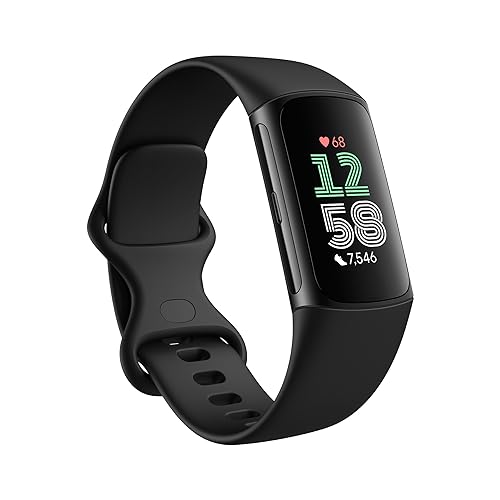

Fitbit Charge 6 vs Fitbit Inspire 3 at a Glance
| Feature | Fitbit Charge 6 | Fitbit Inspire 3 |
|---|---|---|
| Case Material | Stainless Steel or Metal | Resin |
| GPS Functionality | Built-in GPS | GPS Via Smartphone (Connected GPS) |
| Google Utilities | Google Maps, Google Wallet | Not listed |
| Music Controls | YouTube Music controls | Not listed |
| Heart Rate Machine Sharing | Real-time machine linking (treadmills, ellipticals) | Not listed |
| Health Sensors | ECG, SpO2, Temperature, Gyroscope | SpO2, Skin Temperature (ECG not listed) |
| Water Resistance | 50 meters | 50 meters |
| Exercise Modes | 40+ exercise modes | 40+ exercise modes |
| Operating System | Android Wear 1.0 | Android |
| Bands Included | Silicone band | Small and Large bands |
| Best For | Outdoor runners and connected workouts | Lightweight daily health and sleep logging |
GPS Tracking and Outdoor Workout Performance
For any athlete training outdoors, how a tracker handles satellite positioning directly dictates how you plan workouts. The Charge 6 features standalone built-in GPS alongside support for 40+ exercise modes, multi-sports tracking, and automatic exercise recognition. When deciding between the Fitbit Charge 6 or Inspire 3 for running, this autonomous hardware makes a substantial practical difference. With built-in satellite reception, you can lace up your shoes, leave your smartphone at home, and still record your path, pace, and distance in real time.
By comparison, the Inspire 3 specification sheet lists GPS Via Smartphone, meaning it features connected GPS rather than autonomous satellite hardware. To capture geographic route data or pace metrics during an outdoor jog, walk, or cycling session, you must carry your mobile device along with you. In direct head-to-head testing considerations regarding the Fitbit Charge 6 GPS vs Inspire 3, outdoor enthusiasts who dislike carrying a heavy smartphone in an armband or pocket will feel limited by the Inspire 3 setup. Runners wanting deep comparisons between dedicated sports watches and compact bands often review our fitbit charge 6 vs garmin venu 3 analysis to see how integrated satellite hardware compares across form factors.
Indoor athletes also gain a unique training advantage on the Charge 6: it allows you to see your heart rate in real time by linking directly to compatible gym exercise machines like treadmills and ellipticals. The Inspire 3 listing does not include equipment heart rate casting, limiting your heart rate data strictly to the wrist display and the mobile phone dashboard during gym sessions.
Edge: Fitbit Charge 6 wins decisively with standalone built-in GPS and real-time heart rate casting to compatible gym machines.
Smart Connectivity and Google Application Support
Smart capabilities transform a simple fitness band into an everyday operational assistant. The Charge 6 operates on Android Wear 1.0 and incorporates integrated Wi-Fi alongside dedicated Google utilities. Runners and commuters can navigate roads using turn-by-turn directions from Google Maps right on the rectangular touchscreen. In addition, tap-to-pay functionality via Google Wallet lets you buy refreshments on the move without pulling out a physical payment card, while on-wrist YouTube Music controls let you manage audio playback directly during workouts.
The Inspire 3 takes a strictly traditional fitness tracker approach. Running on standard Android tracker software, its smart features are limited to standard phone notifications, vibrating alarms, and basic device alerts. The product listing notes no support for contactless payment hardware, turn-by-turn navigation mapping, or direct streaming music controls. While this minimalist configuration prevents digital distractions, it forces you to reach for your handset every time you need directions or want to skip a music track.
When asking is Fitbit Charge 6 worth it, the answer largely hinges on whether these Google ecosystem tools add value to your daily routine. Many shoppers considering wearable convenience weigh these smart utilities against fuller smartwatches, as explored in our fitbit charge 6 vs versa 4 guide and our fitbit charge 6 vs apple watch series 10 comparison. For users who prioritize wrist-based convenience, the Charge 6 bridges the gap between basic fitness bands and full-fledged smartwatches.
Edge: Fitbit Charge 6 offers far superior smart utility thanks to integrated Google Maps, Google Wallet, and YouTube Music controls.
Heart Health, ECG Sensor, and Physiological Metrics
Both devices track an extensive range of core health metrics, but they differ significantly in diagnostic-grade sensor hardware. The Charge 6 includes an advanced sensor suite featuring an ECG sensor, SpO2 blood oxygen sensor, skin temperature sensor, optical heart rate monitor, accelerometer, gyroscope, and ambient light sensor. It provides a stress management score to track physical reactions to tension, 24/7 heart rate monitoring, and Active Zone Minutes. The inclusion of an ECG sensor allows users to assess heart rhythm directly from the tracker.
The Inspire 3 provides thorough baseline health tracking, measuring heart rate around the clock, resting heart rate, blood oxygen (SpO2), skin temperature variations, and stress scores through guided mindfulness sessions and relax breathing sessions. It also features irregular heart rhythm notifications and menstrual health tracking. However, the Inspire 3 specification sheet does not list an ECG sensor or a gyroscope. While irregular rhythm notifications alert you to potential arrhythmias passively, you cannot conduct on-demand electrical heart assessments on the Inspire 3.
Both models track Daily Readiness Scores to indicate whether your body is prepared for strenuous exercise or needs recovery, though this feature requires a premium membership. The Charge 6 comes with a 3-month trial of Google Health Premium, which incorporates personalized coaching built with Gemini. Readers comparing hardware across product generations in our fitbit charge 5 vs inspire 3 breakdown will note that electrical cardiac monitoring remains reserved for the higher-tier Charge lineup.
Edge: Fitbit Charge 6 holds the advantage by packing a dedicated ECG sensor and gyroscope alongside standard SpO2 and temperature metrics.
Design, Build Quality, and Sleep Tracking Comfort
Wearable design is not merely about looks; it directly impacts how comfortable a device feels when worn 24 hours a day. The Inspire 3 is built around a lightweight resin case with a minimalist rectangular profile. It ships with both small and large silicone bands in the box, secured by a dependable tang buckle. Because resin is exceptionally light, the tracker virtually disappears on the wrist, making it one of the least intrusive wearables available.
In contrast, the Charge 6 uses a more premium stainless steel or metal case, paired with a black silicone band. The metallic build delivers a substantial, high-end feel that resists daily bumps during rigorous physical labor or outdoor recreation. However, the metal housing adds noticeable structural density compared to the feathery resin chassis of the Inspire 3.
When considering the Fitbit Inspire 3 or Charge 6 for sleep tracking, chassis bulk becomes a primary consideration. Both trackers deliver automatic sleep tracking, compute a daily Sleep Score, and include a Smart Wake vibrating alarm to wake you during light sleep stages. However, reading any detailed Fitbit Inspire 3 review reveals that sleepers who toss and turn frequently favor the Inspire 3 because its slim resin housing never catches on bedsheets or presses uncomfortably against the wrist. The Charge 6 tracks sleep with equal analytic depth, but its metal chassis is slightly more noticeable overnight.
Edge: Fitbit Inspire 3 wins for pure comfort and sleep wearability due to its lightweight resin build and included dual band sizes.
Battery Life Expectations and Energy Demands
Understanding operational endurance requires examining the hardware demands of each device. When shoppers analyze Fitbit Charge 6 vs Inspire 3 battery life, the official Amazon listings do not specify an exact battery life in days or hours for either model. Nevertheless, an evaluation of their specifications reveals how differently their internal systems consume power during normal daily routines.
The Charge 6 powers an energy-intensive hardware configuration: standalone GPS satellite tracking, Wi-Fi connectivity, an ambient light sensor, and interactive Google applications running on Android Wear 1.0. Engaging the internal GPS receiver during an outdoor run actively consumes onboard power far faster than passive metric collection. If you use on-wrist Google Maps navigation and stream music controls regularly, battery consumption increases accordingly.
The Inspire 3 operates under a substantially lighter energy load. Because it relies on GPS via smartphone, it offloads satellite processing entirely to your handset over low-power Bluetooth. Its minimalist operating system handles passive metric logging without background Wi-Fi scanning or heavy application processing. Users examining cross-category battery dynamics in our fitbit charge 5 vs versa 4 coverage observe this exact dynamic: trackers that offload satellite reception to a smartphone demand far less power from their internal battery during outdoor exercise.
Edge: Fitbit Inspire 3 holds the operational advantage by offloading power-hungry GPS tracking and omitting battery-draining Wi-Fi hardware.
Software Experience and Daily Usability
The everyday interface dictates how quickly you can check metrics and act on your data. The Charge 6 operates on Android Wear 1.0, presenting an interactive tile-based interface on its rectangular touchscreen. It integrates seamlessly with Google Health Premium features, which utilize Gemini-based coaching to adapt fitness suggestions to your routine. In an exhaustive Fitbit Charge 6 review, users praise how quickly they can jump from checking Active Zone Minutes to initiating Google Wallet payments or viewing street directions.
The Inspire 3 focuses strictly on health monitoring simplicity. Compatible with Apple iOS 16.4 or higher and Android OS 11.0 or higher, its touchscreen UI presents clear daily metrics, reminders to move, relax breathing exercises, and stress summaries without extra software layers. When evaluating whether is Inspire 3 worth it, users who feel overwhelmed by digital smartwatch interfaces find its focused layout refreshingly simple. It records steps, active minutes, and vital statistics reliably without demanding constant interaction.
Overall usability depends on what you want from your wristwear: the Charge 6 acts as a capable hybrid fitness smartwatch, while the Inspire 3 functions as a discreet health logger. In this Fitbit Inspire 3 vs Charge 6 software matchup, those who embrace smart tools will appreciate the Charge 6, while minimalists will gravitate toward the Inspire 3.
Edge: Fitbit Charge 6 provides a more versatile software environment with Gemini-backed Google Health tools and Google ecosystem integration.
Pros and Cons
Fitbit Charge 6

Pros
- Built-in GPS for standalone route tracking
- Google Maps, Google Wallet, and music controls
- ECG sensor for heart health assessments
- Real-time heart rate casting to gym machines
- Durable stainless steel or metal case
Cons
- Higher battery drain during standalone GPS use
- Heavier metal case than minimalist resin bands
View Fitbit Charge 6 on Amazon
Fitbit Inspire 3

Pros
- Ultra-lightweight resin case for sleep comfort
- Small and large bands included in box
- Lower battery demands by offloading GPS
- Comprehensive SpO2, stress, and sleep tracking
Cons
- Requires smartphone for outdoor GPS tracking
- Lacks ECG sensor and Google smart apps
View Fitbit Inspire 3 on Amazon
Who Should Buy Each One
Choose the Fitbit Charge 6 If
- You run, walk, or cycle outside regularly and want built-in GPS so you can leave your smartphone at home.
- You want smart conveniences on your wrist, including Google Maps directions, Google Wallet payments, and YouTube Music controls.
- You need advanced heart health monitoring, such as an ECG sensor and the ability to broadcast real-time heart rate to compatible gym equipment.
- You prefer the durability and premium look of a stainless steel or metal case.
Choose the Fitbit Inspire 3 If
- You prioritize a feathery, minimalist tracker that feels virtually weightless for 24/7 wear and uninterrupted sleep tracking.
- You always carry your phone on workouts and are completely satisfied using connected GPS via your smartphone.
- You want simple, distraction-free health monitoring covering SpO2, skin temperature, stress, and sleep scores.
- You want both small and large wristbands included directly in the box for an adaptable fit right away.
Final Verdict
In this Fitbit Charge 6 vs Inspire 3 comparison, the Charge 6 emerges as the clear winner for the majority of active users. By combining built-in GPS, an ECG sensor, gym equipment heart rate broadcasting, and Google tools like Maps and Wallet, it bridges the gap between a standard fitness band and a feature-packed smartwatch. Its durable metal construction and advanced sensor array deliver an independent fitness tracking experience that lets you leave your phone behind without sacrificing workout accuracy or daily utility.
The Fitbit Inspire 3 remains the ideal choice for individuals who want an understated, ultra-comfortable wellness band focused strictly on habit building. Its minimalist resin casing makes it practically unnoticeable in bed, ensuring excellent sleep tracking comfort, while its reliance on connected smartphone GPS keeps the user experience simple. If you never exercise without your phone and prefer a discreet health band over a miniature smartwatch, the Inspire 3 delivers exceptional everyday value.
FAQ
Does the Fitbit Inspire 3 have built-in GPS?
No, the Fitbit Inspire 3 does not have built-in GPS. According to the manufacturer specifications, it uses GPS Via Smartphone, requiring a connected phone nearby to record outdoor routes and pace data.
Can the Fitbit Charge 6 broadcast heart rate to gym machines?
Yes, the Charge 6 allows you to see your heart rate in real time by linking directly to compatible exercise machines such as treadmills, ellipticals, and stationary bikes.
Does the Fitbit Inspire 3 include an ECG sensor?
The Inspire 3 product listing does not list an ECG sensor. While it tracks 24/7 heart rate and provides irregular heart rhythm notifications, on-demand ECG readings are exclusive to the Charge 6.
Can you make contactless payments with the Fitbit Inspire 3?
No, the Inspire 3 does not support tap-to-pay transactions. The Charge 6 includes Google Wallet, allowing you to pay at compatible contactless terminals directly from your wrist.
Are both the Fitbit Charge 6 and Inspire 3 water-resistant?
Yes, both devices have a water resistance rating of 50 meters according to their product specifications, making them suitable for showering, swimming, and wearing in rainy conditions.
What band sizes come included in the box?
The Fitbit Inspire 3 listing explicitly confirms that both small and large silicone bands are included in the package. The Charge 6 listing specifies a black silicone band, but does not state whether multiple band sizes are included in the box.

