The fundamental divide between a jump starter and traditional jumper cables comes down to self-sufficiency versus mechanical simplicity. A portable jump starter stores its own electrical reserve to revive a dead battery anywhere without assistance, whereas standard jumper cables require a running donor car parked within cord’s reach to bridge electrical current between vehicles.
Solo commuters, rural drivers, and frequent highway travelers should choose a jump starter for standalone roadside security without having to flag down strangers. Drivers in multi-car households, fleet owners, and motorists traveling in groups should select jumper cables for reliable, zero-maintenance emergency starting that never requires recharging.

Jump Starter vs Jumper Cables at a Glance
| Feature | Jump Starter | Jumper Cables |
|---|---|---|
| Power Source | Internal battery (Lithium or Lead-Acid AGM) | External donor vehicle electrical system |
| Peak Output Current | 1500A to 1700A peak | Dependent on host vehicle battery and alternator |
| Wiring and Cable Gauge | Integrated heavy-duty leads up to #2 AWG | 4 AWG to 6 AWG copper clad aluminum |
| Cable Reach | 46 inches or short clamp leads | 16 to 20 feet |
| Safety Protection Systems | Spark-proof and reverse polarity protection (select models) | Manual visual clamp alignment required |
| Cold Weather Flexibility | Operating floor not listed; cell capacity drops in deep freeze | Flexible down to -25°C or -40°C |
| Auxiliary Utilities | USB power bank, 12V DC port, multi-mode LED flashlight | Carrying case only; passive power transfer |
| Maintenance Demands | Routine periodic recharging required | Zero charging; periodic insulation inspection only |
| Best For | Solo motorists, remote drivers, and tight parking spots | Multi-car households, work fleets, and cold-trunk storage |
Operational Independence and Rescue Requirements
The primary consideration when evaluating jump starter vs jumper cables is whether you can afford to depend on an external vehicle during an emergency. When your starter motor clicks on a deserted road or in an empty workplace lot after midnight, a traditional set of booster cables remains completely inert until another driver stops, positions their vehicle close enough, and agrees to connect their engine to yours. This dependency introduces significant logistical friction and personal safety risks, especially for solo drivers traveling late at night.
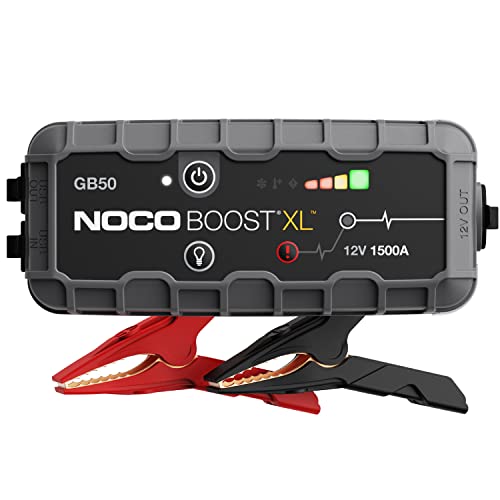
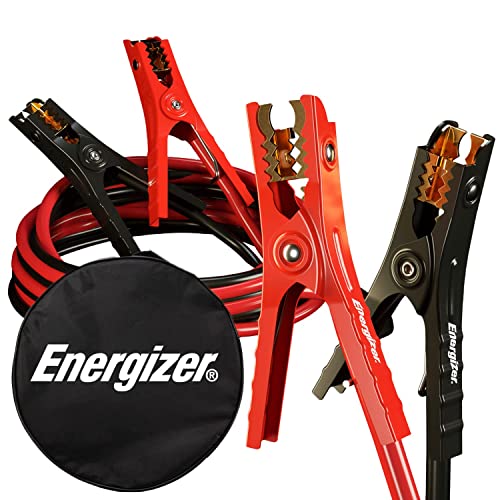
A self-contained power pack solves this problem by functioning as a dedicated starting battery in a box. Modern lithium units like the NOCO Boost GB50 pack up to 1500 peak amps into a self-contained unit capable of up to 30 jump starts on a single charge for engines up to 7.0L gas and 4.5L diesel. Conversely, conventional cable sets such as the Energizer Jumper Cables require an entire second vehicle running parallel to deliver starting voltage. When exploring self-contained roadside options, reviewing the technical differences in units like the noco gb40 vs gb70 illustrates how portable power units prioritize independent recovery over communal jump starts.
Physical positioning further magnifies the jump pack vs booster cables divide. If a dead vehicle is parked head-in against a garage wall, boxed in by snowbanks, or tucked into a narrow parking stall, standard jumper leads may struggle to span the distance between battery bays. A compact jump starter requires only inches of clearance directly above the engine bay to clamp onto terminal posts, turning what would otherwise be a complex vehicle maneuvering challenge into a two-minute solo procedure.
Edge: Jump Starter. A self-contained power pack eliminates the need to flag down a helper vehicle or maneuver two cars into close proximity.
Power Delivery and Engine Cranking Capacity
Cranking an unresponsive internal combustion engine requires hundreds of instantaneous amperes to spin the flywheel against cylinder compression. In this category, the debate between a battery jump box vs jumper cables centers on resistance and direct power transfer. Long cables naturally introduce electrical resistance, which causes a noticeable voltage drop across the circuit. This voltage reduction becomes especially problematic when small passenger vehicles attempt to boost large commercial trucks or heavy-duty diesel engines.
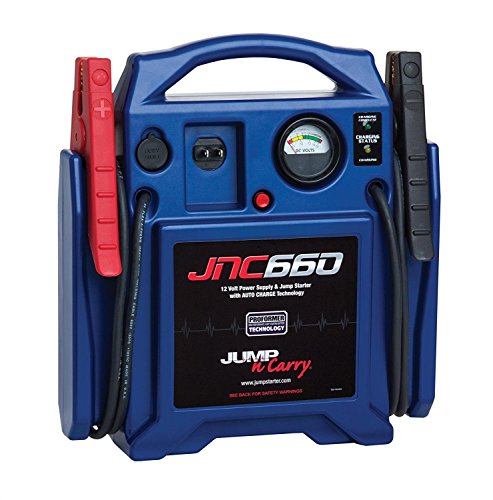
Heavy-duty jump packs minimize cable resistance by utilizing very short, thick conductor leads. For example, the Clore Automotive Jump-N-Carry JNC660 utilizes 46-inch heavy-duty #2 AWG cables paired with an internal 22Ah AGM battery to deliver 1700 peak amps directly into the dead electrical system. By contrast, a long jumper lead set like the Cartman Jumper Cables relies on 20 feet of 4-gauge copper-coated aluminum wiring. Understanding how dedicated electrical delivery systems manage rapid high-current output aligns with principles explored in our noco gb40 vs genius5 technical breakdown.
While thick 4 AWG or 6 AWG booster leads transfer sufficient current from a running donor car’s alternator to revive typical passenger cars, the process often requires revving the donor engine for several minutes to build surface charge. A jump starter with high portable jump starter peak amps dumps intense starting energy directly into the starter motor in seconds, turning over stubborn engines without waiting for a donor vehicle’s charging system to balance voltages.
Edge: Jump Starter. Ultra-short, heavy-gauge cables deliver direct peak amperage without the substantial voltage drop associated with 16-to-20-foot jumper runs.
Cold Weather Performance and Winter Reliability
Winter places immense stress on automotive starting systems because sub-zero ambient temperatures sap chemical battery power while simultaneously thickening engine oil into a viscous sludge. When deciding between a jump starter or jumper cables for winter, the thermal vulnerability of internal battery packs becomes a critical consideration. Chemical batteries lose significant output capacity when cold-soaked in an unheated vehicle trunk over extended periods.
Jumper cables hold an inherent advantage in freezing conditions because they contain no chemical cells that degrade in extreme cold. The Energizer booster cables feature tangle-free copper-clad aluminum wire designed to remain flexible even at -40°C, while Cartman cables are rated for low-temperature immunity down to -25°C (-13°F). When connected to a warm, fully operational donor vehicle, passive cables draw power from an engine that is already running at operating temperature. Evaluating winter readiness frequently involves understanding how cold weather influences power electronics, a subject detailed in our noco gb70 vs genius5 comparison.
Jump starters, whether utilizing lead-acid AGM or lithium-ion cells, require careful thermal management. While units like the Clore Automotive JNC660 feature rugged AGM plates designed for jump starting, leaving any jump box in a sub-freezing vehicle for weeks causes steady capacity drain. If the internal battery drops below its operational threshold in the cold, it cannot generate adequate cranking current when summoned. Drivers choosing a jump box for winter driving must form the habit of keeping the unit inside the warm cabin or bringing it indoors periodically to top off the charge.
Edge: Jumper Cables. Passive wire sets suffer zero chemical degradation from sub-zero storage and remain flexible down to -40°C without requiring scheduled battery maintenance.
Safety Systems, Spark Hazards, and Vehicle Electronics
Modern vehicles are densely packed with sensitive microprocessors, body control modules, and delicate infotainment circuits that react poorly to electrical disturbances. Comparing jumper cables review summaries against jump starter safety specifications reveals a vast difference in how each tool handles accidental misuse, short circuits, and polarity reversal.
Connecting traditional booster cables carries real mechanical risks. The Cartman cables include non-conducting rubber clamps, but the user remains entirely responsible for matching positive and negative poles in dim lighting or stressful weather. Accidental reverse connection creates a dead short across two 12V automotive systems, producing violent sparks, melted terminal posts, or blown onboard fuses. Safety engineering differences in modern automotive tools reflect the design principles analyzed in our noco genius5 vs schumacher sc1281 evaluation.
By contrast, modern jump starters incorporate internal microcontrollers that act as an electronic barrier between your car and the booster pack. The NOCO Boost GB50 features patented UltraSafe technology with spark-proof connections and reverse polarity protection. If you attach the clamps backwards or touch the metal jaws together, the unit refuses to send current until the error is corrected. For drivers unfamiliar with vehicle mechanics, this mistake-proof design prevents costly alternator and computer repairs.
Edge: Jump Starter. Integrated reverse polarity and spark-proof safety electronics eliminate the risk of short circuits and voltage spikes that damage automotive electronics.
Portability, Maintenance, and Long-Term Readiness
Long-term emergency readiness comes down to whether a tool requires human intervention to stay functional. Passive jumper cables represent the ultimate set-and-forget equipment. They can sit undisturbed in a spare tire compartment for a decade, shielded by thick vinyl coatings against rust and corrosion, and emerge completely operational whenever needed. For drivers wondering are jumper cables worth it, this perpetual shelf life provides immense reassurance.
Jump starters demand regular operational maintenance. An internal battery naturally self-discharges over time. While the NOCO Boost GB50 recharges in 5 hours via USB-C and the Clore Automotive JNC660 includes an onboard voltmeter to check state of charge, both require intentional monitoring. If you leave a jump starter in your glove box for an entire year without touching it, you risk pulling out a dead pack during an emergency. Examining long-term emergency electrical upkeep parallels the maintenance routines outlined in our noco gb40 vs schumacher sc1281 guide.
The trade-off for managing this recharge cycle is unmatched multi-purpose utility. The NOCO GB50 weighs just 2.7 pounds (3.3 pounds total pack weight) and measures 4 by 8.25 by 4.75 inches, fitting easily into a glove box while doubling as a USB power bank for phones and featuring a 200-lumen LED flashlight with SOS and strobe modes. The Clore JNC660 provides a heavy-duty 18-pound jump box platform equipped with a 12V DC outlet to power travel accessories. While cables are maintenance-free, a portable power pack vs jumper cables comparison shows that jump starters serve as broad emergency survival tools on road trips.
Edge: Jumper Cables. The complete absence of internal cells means booster cables offer perpetual shelf life and zero maintenance between uses.
Pros and Cons
Jump Starter

Pros
- Starts engines independently without a second vehicle
- Delivers up to 1700 peak starting amps
- Spark-proof and reverse polarity protection on select models
- Doubles as a USB power bank and emergency flashlight
Cons
- Requires scheduled recharges every few months
- Internal battery capacity drops in extreme freezing cold
- Higher hardware complexity with electronic components to maintain
View Clore Automotive Jump-N-Carry JNC660 1700 Peak on Amazon
Jumper Cables

Pros
- Zero maintenance with unlimited trunk shelf life
- Remains flexible in sub-zero cold down to -40°C
- Generous 16 to 20 foot vehicle-to-vehicle reach
- No internal batteries or circuit boards that can fail
Cons
- Useless without a running donor vehicle nearby
- Manual clamp matching creates spark and short-circuit risks
- Difficult to use in tight or confined parking spaces
View Energizer Jumper Cables Car Battery on Amazon
Who Should Buy Each One
Choose the Jump Starter If
- You frequently drive alone, commute at odd hours, or travel through remote corridors where finding a helper car is impossible.
- You park in tight garages or nose-in parking spaces where bringing another vehicle close enough for cables is physically unfeasible.
- You want multi-functional utility including mobile device USB charging, an emergency LED flashlight, or a 12V power port.
- You want automated reverse polarity and spark-proof safety systems to protect sensitive modern vehicle computers from connection errors.
Choose the Jumper Cables If
- You want a permanent emergency tool that can sit untouched in a spare tire well for years without losing readiness or needing recharges.
- You manage a multi-car household or commercial vehicle fleet where a second running vehicle is always readily accessible.
- You face severe sub-zero winter temperatures that would drain or degrade untended lithium or AGM battery packs stored in a freezing trunk.
- You prefer simple mechanical hardware with no internal battery cells, circuit boards, or charging cables to manage over time.
Final Verdict
For the majority of modern drivers, the jump starter is the clear winner for everyday emergency preparedness. The ability to recover from a dead battery independently, without relying on strangers or waiting hours for roadside assistance, provides unmatched security for solo commuters and highway travelers. Compact lithium options like the NOCO GB50 combine 1500 peak amps with spark-proof electronics and emergency device charging, turning an intimidating electrical breakdown into a quick, five-minute inconvenience.
However, traditional jumper cables remain an essential, fail-safe backup for multi-car households and extreme winter environments. Heavy-duty 4-gauge or 6-gauge sets from manufacturers like Cartman and Energizer never run out of battery, stay flexible down to -40°C, and provide reliable cranking power as long as another vehicle is available. If you have the habit of maintaining your gear, buy a jump starter; if you want an emergency tool you can toss in the trunk and forget forever, keep a set of cables in the spare tire well.
FAQ
Can a jump starter damage a modern vehicle’s electronics?
Quality jump starters engineered with reverse polarity protection and spark-proof electronics, such as the NOCO Boost GB50, are safe for modern vehicle electronics. They regulate voltage delivery to prevent power spikes. By contrast, improper connections made with traditional jumper cables can cause significant electrical arcs and voltage surges that risk frying sensitive automotive computers.
How often do you need to recharge a portable jump starter?
Most portable jump starters should be checked and topped off every three to six months to ensure they retain sufficient cranking amperage. Units equipped with integrated voltmeters, like the Clore Automotive JNC660, make it easy to verify the internal battery’s voltage status before embarking on long road trips.
Are longer jumper cables better than shorter ones?
Longer cables, such as 16-foot or 20-foot sets, provide greater positioning flexibility when jumping cars that are parked bumper-to-bumper or side-by-side. However, longer cables experience increased electrical resistance, which is why longer lengths require thicker wire gauges, such as 4 AWG, to maintain adequate cranking current.
Can you leave a jump starter in a freezing car during winter?
While jump starters are built to handle rugged conditions, sub-zero ambient temperatures accelerate chemical self-discharge in both lithium and lead-acid batteries. To ensure reliable performance when choosing a jump starter or jumper cables for winter, store your jump pack inside your home or heated workspace during severe cold snaps rather than leaving it in an unheated trunk.
What is the difference between peak amps and cranking amps on a jump box?
Peak output current, such as the 1700 peak amps on the Clore JNC660 or 1500 peak amps on the NOCO GB50, represents the maximum initial burst of electrical current the unit can discharge. Cranking power measures sustained energy delivery over several seconds to turn the engine over until combustion begins.
Do jumper cables work on completely dead batteries?
Jumper cables work effectively on completely dead batteries because they draw direct electrical current from a running donor car’s alternator and battery. Some digital jump starters require a minimal residual voltage in the dead battery to detect the connection, though many include manual override functions to bypass internal voltage checks on completely flat cells.