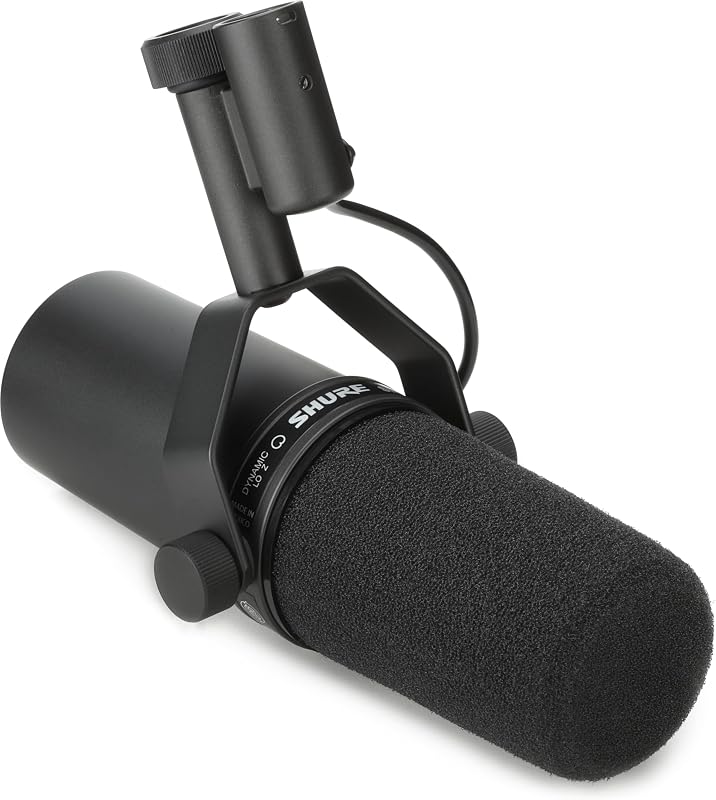
The fundamental distinction between the Shure MV7+ and the Rode NT-USB+ centers on capsule physics and system versatility: the MV7+ relies on a broadcast dynamic capsule with dual USB-C and analog XLR outputs to suppress unwanted background noise in untreated rooms, whereas the NT-USB+ pairs an ultra-sensitive 1/2-inch studio condenser capsule with dedicated USB-C connectivity to capture intimate high-frequency nuance in quiet spaces.
Broadcasters, streamers, and podcasters working in imperfect acoustic setups with audible PC fans or keyboard noise should choose the Shure MV7+ for its superior voice isolation and future-proof XLR expandability. Solo narrators, voiceover talent, and vocalists operating in sound-dampened environments who demand full-spectrum acoustic air, instant boom-arm mounting, and classic harmonic processing should select the Rode NT-USB+.

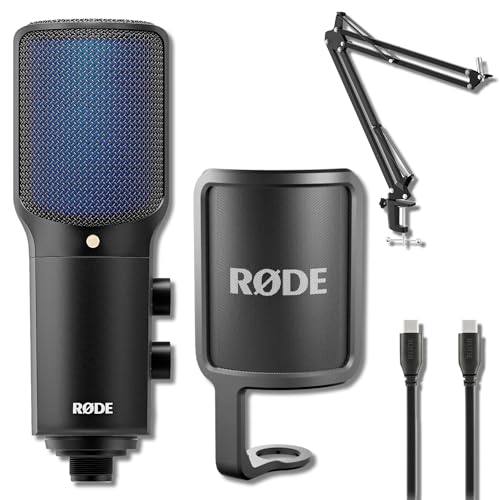
Shure MV7+ vs Rode NT-USB+ at a Glance
| Attribute | Shure MV7+ | Rode NT-USB+ |
|---|---|---|
| Transducer Type | Dynamic | Studio Condenser (1/2-inch) |
| Polar Pattern | Cardioid (Voice Isolation) | Tight Cardioid |
| Connectivity | USB Type-C & XLR | USB Type-C |
| Frequency Response | Not listed | 20 Hz – 20 kHz |
| Digital Conversion | Not listed | 24-bit / 48 kHz |
| Integrated DSP | Auto Level Mode, Real-Time Denoiser, Digital Pop Filter, Reverb | Aphex (Compressor, High-pass, Gate, Aural Exciter, Big Bottom) |
| Hardware Controls | Multi-color LED Touch Panel with Quick Mute | Headphone Volume Dial, Direct Monitor Mix Dial |
| Enclosure Material | Stainless Steel | Metal |
| Included Mounting | SH-DESKTOP2 Low-Profile Stand | StreamEye BOOMARM1 27-Inch Boom Arm |
| Best For | Untreated rooms, live streaming, dual USB/XLR setups | Quiet studios, voiceover, detailed narration, boom setups |
Capsule Architecture and Acoustic Background Rejection
The core acoustic difference in a head-to-head evaluation of the Shure MV7+ dynamic vs Rode NT-USB+ condenser lies in how each transducer responds to mechanical pressure and ambient air. The MV7+ features a dynamic capsule built specifically for speech, using Voice Isolation Technology and an integrated real-time denoiser to reject ambient hum, reflective wall bounce, and room echo. Because dynamic capsules require higher sound pressure levels to move their heavier diaphragms, the MV7+ naturally disregards softer secondary sounds occurring outside its direct axis. In any practical shure mv7 vs rode nt-usb+ evaluation, this dynamic architecture prevents open room acoustic issues from ruining a live recording.
By contrast, the NT-USB+ utilizes a sensitive 1/2-inch studio condenser capsule powered by Rode’s ultra-low-noise Revolution Preamp. Condenser diaphragms are featherweight and electrically charged, allowing them to capture lightning-fast acoustic transients, subtle lip articulations, and an extended 20 Hz to 20 kHz frequency response. However, this heightened sensitivity means Rode NT-USB+ voice isolation depends primarily on its tight cardioid pickup pattern and software-driven noise gating rather than physical acoustic rejection. If your recording environment features hard parallel drywall, clicky computer keyboards, or nearby traffic noise, the condenser capsule will register those ambient details unless you position sound treatment around your workspace.
Choosing between these two designs involves a direct compromise between clinical isolation and high-frequency sparkle. The MV7+ ensures that noisy bedroom studios sound dry, focused, and professional, though it demands close speaking proximity right near the grille. The NT-USB+ provides an open, airy top-end capture that flatters articulate voice actors, but it will punish users who record in untreated, echo-prone living spaces.
Edge: Shure MV7+. Its dynamic capsule design and integrated real-time denoiser offer superior room noise rejection in typical home environments.
Connectivity Options and Audio Interface Flexibility
System connectivity often dictates the lifespan of a studio microphone as your recording needs expand. In the debate between Shure MV7+ XLR vs Rode NT-USB+ USB, the MV7+ stands out by offering dual outputs: a digital USB Type-C port and a professional analog 3-pin XLR connection. This dual-output topology allows creators to plug the microphone directly into a computer for convenient daily streaming, while preserving the ability to hook into multi-channel broadcast mixers, hardware mic preamps, or dedicated studio interfaces when running multi-host podcasts. It bridges the gap between plug-and-play simplicity and long-term modular studio infrastructure, similar to choices explored when comparing the shure mv7+ vs sm7b.
The NT-USB+ is exclusively a digital USB Type-C device. It communicates directly with laptops, desktop personal computers, and smartphones, converting analog sound right at the capsule via internal 24-bit / 48 kHz digital conversion. While USB-only integration creates an efficient, zero-clutter workflow for solo desktop creators, it prevents the microphone from interfacing with standard analog audio equipment, studio patchbays, or commercial XLR mixers. If your production setup expands to accommodate four in-studio guests on an analog console, the NT-USB+ cannot make that transition.
For creators questioning is Shure MV7+ worth it on connectivity alone, the dual output design provides significant insurance against future hardware obsolescence. The NT-USB+ remains an exceptionally streamlined single-cable tool, but the MV7+ accommodates both direct laptop streaming and professional studio evolution without forcing you to replace your primary voice transducer.
Edge: Shure MV7+. The dual USB-C and XLR output configuration provides unmatched versatility for both desktop users and expanding studio setups.
Digital Signal Processing and Audio Shaping Capabilities
Both manufacturers incorporate advanced internal DSP into these microphones to offload audio processing from host computer processors. The MV7+ features an OBS-certified digital sound engine that includes an Auto Level Mode, a real-time denoiser, a digital pop filter, and an onboard digital reverb module offering Plate, Hall, and Studio profiles. The Auto Level Mode acts as an automated virtual audio engineer, continuously adjusting digital gain in real time so that excited outbursts during a stream do not clip, while hushed speech remains fully audible to listeners without manual knob adjustments.
The NT-USB+ counters with internal Aphex DSP hardware, configured through RØDE Connect, RØDE Central, or RØDE Reporter desktop and mobile software. Rather than relying on simple dynamic leveling, the Aphex hardware suite provides studio-grade tone-sculpting tools, including a dedicated compressor, a high-pass filter to remove low-end desk rumbles, a noise gate, and the renowned Aphex Aural Exciter and Big Bottom processors. The Big Bottom processor injects rich low-frequency resonance into thin voices without generating muddy boominess, while the Aural Exciter adds broadcast sheen across the vocal presence range.
The operational philosophy separates these processing suites clearly. The MV7+ focuses heavily on preventative maintenance-eliminating plosives with its digital popper stopper, maintaining uniform loudness with Auto Level Mode, and stripping ambient hum via real-time denoising. The NT-USB+ focuses on classic broadcast coloration, elevating vocal timber and punch using analog-modeled harmonic excitement. For streaming without sound checks, the MV7+ algorithm prevents production mistakes; for dedicated voice-over work, the Aphex DSP inside the NT-USB+ yields a richer, fully mastered sound straight out of the capsule.
Edge: Tie. The MV7+ wins for automated gain safety and active denoising, while the NT-USB+ wins for rich, broadcast-quality harmonic enhancement via Aphex DSP.
Hardware Monitoring and Physical Interface Controls
Tactile control during an active broadcast can prevent costly production mistakes. The NT-USB+ provides an intuitive analog control layout right on its metal chassis. It features a zero-latency 3.5 mm stereo headphone output wired directly before the digital conversion stage, eliminating round-trip computer monitoring delays. Alongside the headphone output, Rode equips the NT-USB+ with two dedicated rotary dials: one controlling overall headphone listening volume, and a second blend dial that adjusts the direct mic-to-computer playback mix. This lets you balance your own voice against game audio, Discord calls, or background music instantly without clicking through software menus.
The MV7+ replaces traditional rotary potentiometers with an interactive multi-color LED touch panel integrated along the microphone body. This panel displays a visual audio level meter, features customizable dynamic lighting across 16.8 million colors, and supports an instantaneous quick-mute function that silences the microphone with a single tap anywhere across the strip. This quick-mute capability prevents unwanted coughs, keyboard clatter, or private interruptions from going out over a live feed.
Choosing between these physical designs depends on whether you prioritize tactile headphone balancing or visual monitoring and swift muting. The LED panel on the MV7+ provides immediate feedback on signal peaking and an effortless mute trigger, but it lacks direct physical knobs to dial in headphone monitoring levels. The physical dials on the NT-USB+ offer precise, tactile audio mixing right at your fingertips, making monitor adjustments second nature during unscripted recording sessions.
Edge: Rode NT-USB+. Dedicated analog dials for headphone volume and direct monitor blend provide superior tactile control during live sessions.
Mounting Hardware and Workspace Ergonomics
Microphone positioning dramatically influences capsule frequency response and mechanical rumble isolation. The NT-USB+ bundle includes the StreamEye BOOMARM1, a 27-inch aluminum alloy articulating desktop boom arm with a desk clamp mount and external tension springs. With 27 inches of horizontal reach, this arm allows you to suspend the NT-USB+ directly in front of your mouth while keeping your desk surface completely free of clutter. The mechanical suspension isolates the microphone from desk vibrations, such as furious typing or mouse bumps, and eliminates the sag often encountered with budget friction mounts, making it comparable in utility to hardware evaluated in our shure mv7+ vs rode podmic usb analysis.
The MV7+ bundle approaches workspace placement differently by supplying the SH-DESKTOP2 low-profile mic stand manufactured by Gator. This stand features a compact 4.5-inch by 8-inch weighted rectangular base, an integrated vibration-absorbing bottom gasket, and an ergonomic twist-clutch adjustment mechanism. Built with a stainless steel body weighing 16 ounces, the MV7+ rests firmly on the desk directly below your monitor line.
While the low-profile stand of the MV7+ maintains clean sightlines for camera framing and webcam presentation, sitting directly on a desk surface leaves dynamic capsules vulnerable to structural desk thumps despite the base gasket. The NT-USB+ bundle’s 27-inch articulating boom arm provides superior acoustic positioning flexibility, letting you bring the sensitive condenser capsule close to your mouth while lifting mechanical resonance away from your work surface.
Edge: Rode NT-USB+. The included 27-inch aluminum boom arm offers superior positioning ergonomics and isolates desk vibrations far better than a tabletop base.
Vocal Suitability for Podcasting and Streaming
Deciding between the Shure MV7+ or Rode NT-USB+ for podcasting versus the Shure MV7+ or Rode NT-USB+ for streaming comes down to how your voice interacts with each capsule design. In an honest Shure MV7+ review context, this microphone behaves like a classic broadcast tool. It handles sudden loud laughter, passionate gaming commentary, and hard plosive consonants gracefully. When paired with its digital pop filter, the MV7+ prevents clipping and delivers an authoritative, radio-ready mid-range punch that sits cleanly over background audio tracks without competing for sonic space.
In contrast, an objective Rode NT-USB+ review reveals a microphone tuned for sonic transparency, breath detail, and natural resonance. Recording at 24-bit / 48 kHz across a wide 20 Hz to 20 kHz spectrum, the NT-USB+ reveals rich vocal texture, room presence, and chest warmth that dynamic microphones inherently smooth over. For solo audiobook narrators, educational video producers, and podcasters recording in quiet spaces, the condenser detail produces an intimate, polished studio sound. This difference mirrors classic studio matchups such as the shure sm7b vs rode nt-usb+, where sensitive condenser articulation is weighed against dynamic durability.
When asking is Rode NT-USB+ worth it for voice production, the answer depends entirely on your delivery style. If your streaming workflow involves unpredictable vocal volume, background keyboard hammering, and rapid speech, the MV7+ dynamic architecture ensures consistent intelligibility. If your workflow involves controlled narration, delicate voice-over acting, or musical vocal performance in a quiet room, the NT-USB+ provides superior acoustic fidelity.
Edge: Shure MV7+. For modern live streaming and multi-host podcasting, its dynamic consistency, digital pop suppression, and gain leveling deliver a more reliable vocal baseline.
Pros and Cons
Shure MV7+

Pros
- Dual USB-C and analog XLR connectivity
- Dynamic capsule rejects room reflections
- OBS-certified Auto Level Mode and denoiser
- LED touch panel with quick tap mute
- Durable stainless steel enclosure
Cons
- Desktop stand rests on vibration-prone surfaces
- Listing does not specify frequency response range
Rode NT-USB+

Pros
- Sensitive 1/2-inch studio condenser capsule
- Integrated Aphex DSP with Aural Exciter
- Hardware dials for headphone volume and mix
- Included 27-inch aluminum desktop boom arm
- 24-bit / 48 kHz digital conversion
Cons
- Lacks analog XLR connection output
- Condenser capsule captures untreated room reflections
Who Should Buy Each One
Choose the Shure MV7+ If
- You record or stream in an untreated home room containing reflective walls, computer fan noise, or background activity.
- You plan to upgrade to a dedicated analog audio interface or professional XLR studio mixer in the future without buying another microphone.
- You broadcast live using Open Broadcaster Software and want certified integration with real-time Auto Level gain control and visual LED touch-panel muting.
- You prefer a weighted, low-profile desktop stand that sits below your webcam framing without mounting a boom arm to your desk edge.
Choose the Rode NT-USB+ If
- You produce audiobooks, voiceovers, or podcasts in an acoustically controlled, quiet room and require crisp, full-range 20 Hz to 20 kHz vocal detail.
- You want tactile hardware dials directly on the chassis to balance zero-latency headphone volume and computer playback mix on the fly.
- You want a complete overhead microphone setup out of the box using an included 27-inch aluminum articulating boom arm.
- You want onboard Aphex hardware processing to add signature low-end punch via Big Bottom and high-end broadcast shimmer via the Aural Exciter.
Final Verdict
For the majority of modern content creators, streamers, and remote podcasters, the Shure MV7+ is the more practical investment. Home recording spaces are rarely acoustically treated, and the combination of an isolated dynamic capsule, an onboard real-time denoiser, and Auto Level Mode ensures clean, intelligible voice tracks regardless of room imperfections. Furthermore, its dual USB-C and XLR output configuration provides genuine hardware longevity, enabling you to start on a single laptop cable today and transition seamlessly into professional studio interfaces down the road, much like users discovering the dynamic durability highlighted in comparisons like the shure mv7+ vs rode podmic.
The Rode NT-USB+ wins decisively when audio fidelity in a controlled acoustic environment is your top priority. Its 1/2-inch studio condenser capsule, ultra-low-noise Revolution Preamp, and Aphex processing deliver an open, articulate, and rich vocal character that dynamic microphones cannot replicate. Bundled with a versatile 27-inch aluminum boom arm and featuring dedicated hardware dials for zero-latency monitoring balance, the NT-USB+ represents an extraordinary turnkey solution for solo voice actors, educators, and podcasters working in quiet environments.
FAQ
Does the Shure MV7+ require an audio interface to work?
No. The MV7+ features dual connectivity and operates as a standalone plug-and-play USB Type-C microphone when connected directly to a computer using the included USB-C cable. An external audio interface is only required if you choose to connect the microphone through its analog XLR port.
Can the Rode NT-USB+ connect to an analog XLR mixer?
No. The NT-USB+ listing specifies USB Type-C connectivity only. It is engineered specifically for direct digital connection to laptops, personal computers, and smartphones, and lacks an analog XLR output for traditional mixing consoles.
Does the Rode NT-USB+ feature built-in hardware controls for monitoring?
Yes. The NT-USB+ includes a physical zero-latency 3.5 mm headphone jack on the microphone body, accompanied by two dedicated hardware dials: one for adjusting headphone volume and another for setting the direct monitor blend between your voice and computer audio.
How does the Shure MV7+ handle mechanical desk bumps?
The MV7+ bundle includes the SH-DESKTOP2 low-profile mic stand, which incorporates a weighted 4.5-inch by 8-inch rectangular base and a vibration-absorbing gasket. However, because it rests on the desktop surface, heavy desk impacts may still transmit mechanically compared to microphones suspended from an articulating boom arm.
What processing software supports the Rode NT-USB+ onboard Aphex DSP?
The listing notes that the Aphex DSP inside the NT-USB+ is accessible and configurable using RØDE Connect, RØDE Central, and RØDE Reporter applications, allowing users to activate the compressor, noise gate, high-pass filter, Aural Exciter, and Big Bottom effects.
Can you adjust the LED touch panel on the Shure MV7+?
Yes. The listing highlights a multi-color LED touch panel supporting 16.8 million colors. It can be configured as a real-time audio level meter, used to display dynamic pulse effects, or tapped anywhere along the panel to instantly mute the microphone.