When choosing between the iRobot Roomba j7 and the iRobot Roomba s9+, the deciding factor comes down to whether your home demands proactive obstacle avoidance for low-lying hazards or maximum suction power paired with automated self-emptying dirt disposal. While both robotic vacuums feature intelligent room mapping and automated scheduling, their physical hardware and cleaning philosophies target completely different household cleaning challenges.
Choose the Roomba j7 if your living spaces frequently have charging cables, stray socks, and unpredictable pet accidents that could trap or derail a standard automated vacuum. Choose the Roomba s9+ if your priority is deep carpet agitation, squared edge cleaning, and up to two months of automated debris collection in a self-emptying base.
iRobot Roomba j7 vs Roomba s9+ at a Glance
| Feature | Roomba j7 | Roomba s9+ |
|---|---|---|
| Navigation and Hazard Detection | iRobot Genius obstacle avoidance for cords and pet waste | Careful Drive Mode (detects objects taller than 2.5 cm) |
| Suction Performance | Standard lifting suction (1 power level) | 40x power-lifting suction compared to i Series |
| Dirt Disposal | Onboard dust bin emptying | Clean Base Automatic Dirt Disposal with enclosed bag |
| Chassis and Brush Architecture | Round body with dual multi-surface rubber brushes | D-shape body with PerfectEdge and 40% wider brushes |
| Battery Life | 75 minutes | 120 minutes |
| Smart Mapping and Zones | Imprint Smart Mapping with Clean and Keep Out Zones | Imprint Smart Mapping with Clean and Keep Out Zones |
| Voice Assistant Support | Amazon Alexa, Siri, Google Assistant | Amazon Alexa, Siri, Google Assistant, Vera |
| Surface Recommendations | Carpet and hard floors | Carpet, hardwood, and hard surfaces |
| Included Components | Robot vacuum and filter | Dirt disposal bag, filter, and Clean Base |
| Best For | Homes with floor clutter, cords, and indoor pets | Homes with deep pile carpets, heavy shedding, and open layouts |
Navigation and Obstacle Avoidance
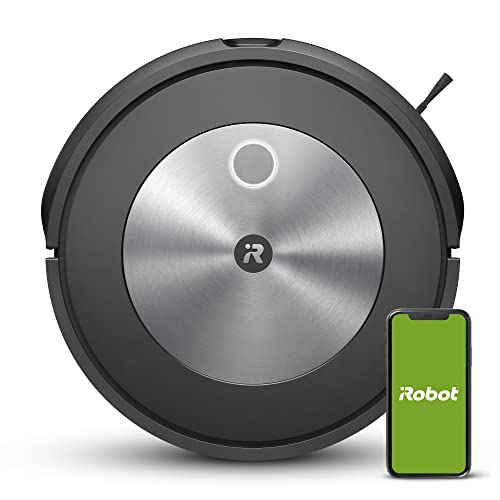
A robotic cleaner only provides value if it can complete a scheduled cleaning cycle without getting trapped, jammed, or tangled. In busy households, floors rarely stay completely clear of everyday items like phone charging cords, dropped clothing, and animal accessories. The primary design focus of the Roomba j7 obstacle avoidance technology is neutralizing these exact floor hazards. Utilizing a front-facing optical camera combined with iRobot Genius software intelligence, the Roomba j7 actively recognizes and steers clear of low-profile cords and pet waste in real time, preventing messy smear accidents and premature job stoppages.
The navigation architecture of the Roomba s9+ focuses primarily on systematic room coverage rather than low-profile hazard evasion. The Roomba s9+ utilizes Careful Drive Mode, an advanced sensor suite engineered to detect objects in its cleaning path and navigate around them without rough nudging. However, product specifications indicate that Careful Drive Mode only detects objects taller than 2.5 cm. Low-profile power cords, flat cables, and pet waste sitting below that height limit remain undetected by the sensors, meaning users must tidy small items off the floor before starting a cleaning cycle. Shoppers researching navigation variations across different models often review the irobot roomba j7 vs j7+ to see how identical camera-based navigation platforms perform across different base station configurations.
In everyday use, this distinction changes how much prep work you must do before vacuuming. With the Roomba j7, you can schedule cleanings while away from home without worrying about clearing your living spaces beforehand. With the Roomba s9+, you must inspect rooms to pick up stray wires, pet messes, and thin obstacles. When conducting an iRobot Roomba s9+ vs Roomba j7 assessment on navigation convenience, the hazard-detecting vision of the j7 provides a decisive advantage in active homes.
Edge: Roomba j7 because its camera-based obstacle avoidance reliably detects and steers around low-profile floor cords and pet waste that the s9+ cannot sense.
Suction Power and Carpet Deep Cleaning
Suction strength determines whether a robot vacuum merely sweeps surface crumbs or pulls deeply embedded grit and fine dander out of dense carpet backings. When evaluating the Roomba j7 or s9+ for carpet, suction performance creates the sharpest contrast between the two units. The Roomba s9+ suction power is rated at 40 times the power-lifting suction of the legacy Roomba i Series models. This airflow pairs with a 3-Stage Cleaning System engineered to lift, loosen, and extract stubborn debris and pet hair from deep within carpets and area rugs.
The Roomba j7 operates with a single standard power level designed for everyday scheduled maintenance across hard floors and carpets. While its dual multi-surface rubber brushes agitate floor fibers efficiently for routine surface dust, its internal motor does not produce the high-volume airflow generated by the s9+ powerhouse cleaning system. Readers evaluating suction performance benchmarks across multiple generations frequently examine the irobot roomba i7+ vs s9+ comparison to see how the 40x suction increase changes deep carpet cleaning outcomes.
In daily practice, this suction disparity shows up clearly on medium and high-pile carpets, entryway mats, and heavy-traffic runners. Where the Roomba j7 collects visible surface dust, hair, and dry debris, the Roomba s9+ pulls up fine sand, compacted soil, and microscopic dander trapped at the base of the carpet fibers. For homeowners looking for thorough carpet extraction that mirrors a traditional corded upright vacuum, any in-depth Roomba s9+ review confirms the dominance of its high-powered motor.
Edge: Roomba s9+ because its 40x power-lifting suction provides vastly superior airflow for pulling embedded grit and dander from deep carpet fibers.
Brush Architecture and Edge Cleaning
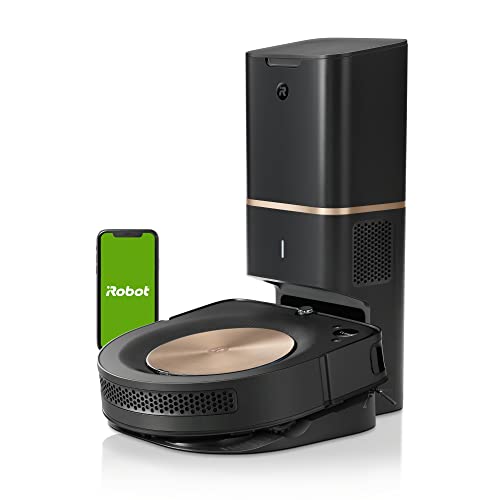
Cleaning open floor areas is straightforward for robotic vacuums, but baseboards, wall perimeters, and 90-degree corners reveal the mechanical limitations of circular vacuum chassis. The Roomba s9+ breaks away from conventional circular proportions by implementing a distinct D-shape body supported by PerfectEdge Technology. This structural profile places the vacuum rollers closer to the front edge and incorporates 40% larger Multi-Surface Dual Rubber Brushes compared to Roomba i Series units. A specially engineered corner brush spins at an optimized angle to pull debris directly out of interior corners into the extra-wide suction path.
The Roomba j7 features a classic circular chassis with two wheels and a standard set of dual multi-surface rubber rollers centered between the drive wheels. While the circular geometry lets the Roomba j7 turn smoothly around round pedestal tables and pivot through cluttered dining chairs, its rounded body cannot position its rollers flush against square room corners. The spinning edge-sweeping brush sweeps debris toward the center, but the rollers cannot make direct physical contact with tight corners.
When selecting between the Roomba j7 or s9+ for pet hair, roller width and brush placement matter significantly. The 40% wider rollers on the Roomba s9+ cover more surface area with each pass, shortening cleaning runs and capturing tumbling hair clumps along baseboards more completely. Buyers exploring how chassis design impacts overall floor coverage often review the irobot roomba i3 vs s9+ analysis to understand the direct performance benefits of the wide-track D-shape design along baseboards and walls.
Edge: Roomba s9+ because its D-shape chassis, PerfectEdge technology, and 40% wider dual rubber rollers deliver thorough corner sweeping and wider pass coverage.
Dust Disposal and Maintenance
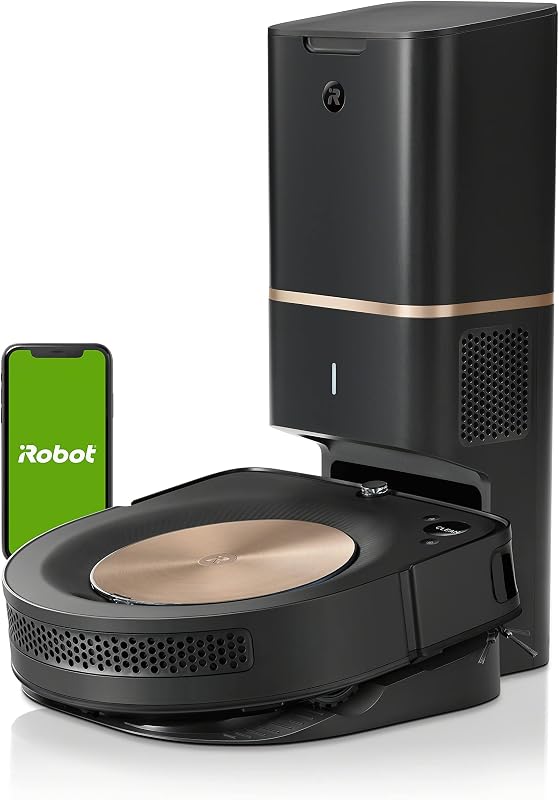
A robotic cleaner is intended to automate household chores, but having to manually empty a small onboard dust bin after every cleaning cycle limits that convenience. The Roomba s9+ comes configured as a complete hands-free cleaning setup featuring the Clean Base Automatic Dirt Disposal station. When the Roomba s9+ completes a cleaning job or fills its internal bin mid-run, it navigates back to the Clean Base, which automatically evacuates the bin into an enclosed disposal bag that holds up to 60 days of dirt and debris.
The Roomba j7 listed here is a standalone robotic unit equipped with a standard onboard dust container that requires manual emptying. While the j7 product description notes compatibility with automatic self-emptying docks, this standalone configuration requires users to open the onboard bin and shake accumulated debris into the trash after each run. For homes with multiple shedding pets or large floor plans, the internal container can fill up quickly, requiring manual attention before cleaning can resume. Shoppers debating whether to choose a self-emptying dock from the start often compare the irobot roomba j7+ vs s9+ to weigh the added convenience of an included disposal base.
Beyond convenience, the sealed bag disposal system on the Roomba s9+ provides notable hygienic advantages. Emptying the manual bin of the Roomba j7 over an open trash can inevitably releases dust clouds and fine allergens back into the room air. In contrast, the Clean Base system of the s9+ traps dust inside an enclosed bag that self-seals upon removal, keeping airborne particles contained. When considering if the Roomba s9+ is worth it for busy individuals, two months of automated debris management is a significant operational upgrade.
Edge: Roomba s9+ because its Clean Base automatic dirt disposal system seals away up to 60 days of debris without requiring regular manual dust bin emptying.
Battery Runtime and Coverage Efficiency
Battery capacity dictates how much square footage a robotic vacuum can clean before it must pause its cycle to recharge. The Roomba s9+ contains a lithium-ion battery that delivers up to 120 minutes of runtime on a single charge. This extended two-hour operating window allows the s9+ to clean large living areas, open floor plans, and multiple connected rooms in one continuous pass without needing to pause for power replenishment.
The Roomba j7 is equipped with a lithium-ion battery rated for 75 minutes of continuous runtime. While 75 minutes provides ample cleaning coverage for small to medium-sized single-story homes, larger layouts will deplete the charge before the entire floor plan is finished. Fortunately, the Roomba j7 includes smart mapping recharge-and-resume capabilities, allowing it to dock, replenish its battery, and resume cleaning right where it stopped. However, these recharging intervals extend the overall elapsed time needed to complete whole-home cleaning routines.
Both vacuum platforms support Imprint Smart Mapping, allowing users to label individual rooms, set targeted Clean Zones, and define Keep Out Zones via the iRobot Home app or voice assistants. Furthermore, the Roomba s9+ supports Imprint Link Technology to synchronize directly with the Braava jet m6 robot mop, triggering an automated mopping run as soon as vacuuming concludes. Homeowners curious about how mopping integration compares across robotic setups can examine the irobot roomba j7 vs combo j9+ breakdown to evaluate combined vacuum and mop ecosystems.
Edge: Roomba s9+ because its 120-minute battery runtime delivers 45 extra minutes of continuous cleaning per charge compared to the 75-minute battery on the j7.
Pros and Cons
Irobot Roomba j7

Pros
- Identifies and avoids cords and pet waste
- Imprint Smart Mapping with Clean Zones
- Automated cleaning when away via Genius
- Cliff Detect prevents falling down stairs
Cons
- Shorter 75-minute battery runtime
- Single power level without deep-pile boost
View iRobot Roomba j7 on Amazon
Irobot Roomba s9+
Pros
- 40x suction power lift over i Series
- Clean Base holds 60 days of debris
- 40% larger dual rubber brushes
- 120-minute extended battery runtime
- PerfectEdge technology with corner brush
Cons
- Only avoids obstacles taller than 2.5 cm
- Cannot detect low cables or pet waste
View iRobot Roomba s9+ on Amazon
Who Should Buy Each One
Choose the Roomba j7 If
- Your living areas frequently have stray charging cables, power cords, pet toys, or shoes left on the floor.
- You share your home with pets and need reliable optical obstacle avoidance to prevent accidents with pet waste.
- You live in an apartment, condominium, or medium-sized home where a 75-minute cleaning runtime covers your layout.
- You prefer a round robot chassis that maneuvers smoothly under low furniture and around dining chair legs without needing pre-cleaning room tidy-ups.
Choose the Roomba s9+ If
- Your home features medium to high-pile wall-to-wall carpeting or thick area rugs that require 40x suction extraction.
- You want hands-off cleaning with a Clean Base that stores up to 60 days of debris inside an enclosed bag.
- You have heavy-shedding pets and need 40% larger rubber rollers and specialized corner brushes to pull fur from edges.
- You manage a spacious floor plan that benefits from a 120-minute battery runtime and automated pairing with a Braava robot mop.
Final Verdict
For the vast majority of households, the Roomba j7 is the more practical and stress-free everyday cleaning partner. Its front-facing camera and iRobot Genius obstacle avoidance solve the most common failure point of robotic vacuums: becoming stuck on stray power cables or tracking pet waste across the floor. While this standalone configuration requires manual dust bin emptying and runs for 75 minutes per charge, its ability to clean thoroughly without requiring you to inspect and prep every room makes the Roomba j7 worth it for busy living spaces.
The Roomba s9+ remains the premier choice for homes with expansive square footage, deep carpets, and heavy pet shedding. With its 40x power-lifting suction, 120-minute lithium-ion battery, PerfectEdge corner-cleaning architecture, and 60-day enclosed Clean Base disposal, it provides unmatched deep-cleaning extraction on fibrous surfaces. If your floor plan is dominated by carpets and you keep cords managed, the raw power and hands-off disposal of the Roomba s9+ deliver an exceptional clean.
FAQ
Does the Roomba j7 avoid pet waste?
Yes. The Roomba j7 uses front-facing camera sensors and iRobot Genius technology designed to detect and avoid pet waste and electrical cords in real time, preventing the vacuum from running over hazards.
Does the Roomba s9+ have obstacle avoidance for cords?
No. The Roomba s9+ features Careful Drive Mode, which detects and maneuvers around objects taller than 2.5 cm. It cannot identify flat floor items like charging cables or pet waste, so you must clear small hazards before cleaning starts.
How does the suction power compare between the Roomba j7 and s9+?
The Roomba s9+ provides 40 times the power-lifting suction of the Roomba i Series, utilizing a heavy-duty motor for deep carpet extraction. The Roomba j7 operates with a single standard power level engineered for everyday surface maintenance.
Does the Roomba s9+ empty its own dust bin?
Yes. The Roomba s9+ includes the Clean Base Automatic Dirt Disposal dock, which draws debris out of the robot’s bin and stores it in an enclosed bag that holds up to 60 days of dust.
What is the difference in battery life between the Roomba j7 and s9+?
The Roomba s9+ delivers up to 120 minutes of continuous runtime on a single charge, whereas the Roomba j7 provides up to 75 minutes. Both robots feature smart recharge-and-resume capabilities to finish larger homes.
Can both vacuums clean corners and baseboards effectively?
Both models clean along walls, but the Roomba s9+ uses a specialized D-shape body, PerfectEdge Technology, and an angled corner brush to reach deeper into 90-degree corners than the circular Roomba j7.
Do both robots support smart mapping and room scheduling?
Yes. Both the Roomba j7 and Roomba s9+ utilize Imprint Smart Mapping, allowing you to store multiple floor plans, designate Keep Out Zones, create custom Clean Zones, and schedule cleanings by room through the iRobot Home app or voice assistants.