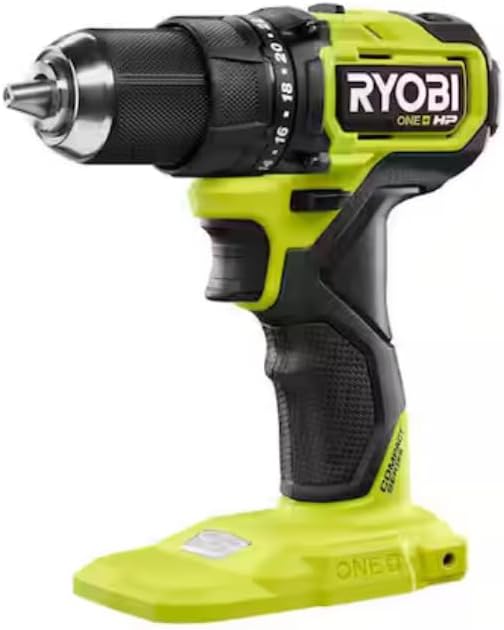
The core distinction separating the Makita XFD131 and the Makita XPH12Z comes down to mechanical drilling versatility and package format: the XPH12Z delivers a dedicated percussive hammer mode backed by 530 in-lbs of rotational torque as a bare tool, whereas the XFD131 operates strictly as a rotational driver-drill delivering 440 in-lbs of torque inside a complete, out-of-the-box starter kit.
Woodworkers, cabinet installers, and homeowners starting without existing 18V gear should choose the Makita XFD131 drill kit for its complete setup and lighter chassis, while general contractors and remodelers who already own LXT batteries or regularly drill into concrete, brick, and block should invest in the Makita XPH12Z bare tool.


Makita XFD131 vs XPH12Z at a Glance
| Attribute | Makita XFD131 | Makita XPH12Z |
|---|---|---|
| Drill Type | Basic Driver-Drill | Hammer Driver-Drill |
| Kit Configuration | Complete Kit (Tool, 3.0Ah Battery, Charger) | Bare Tool (Tool Only) |
| Maximum Torque | 440 in-lbs | 530 in-lbs |
| Top Rotational Speed | 1,900 RPM | 2,000 RPM |
| Blows Per Minute (BPM) | Not listed (No hammer mechanism) | Up to 30,000 BPM |
| Wood Drilling Capacity | 1.25 inches | 1.5 inches |
| Metal Drilling Capacity | 0.5 inches | 0.5 inches |
| Chuck Diameter | 1/2 inch (13 mm) | 1/2 inch |
| Operating Weight (with battery) | 3.8 lbs | 4.2 lbs |
| Tool Overall Length | Not listed | 7-1/8 inches |
| Best For | Assembly, carpentry, and standard drilling | Masonry drilling, framing, and heavy fasteners |
Drilling Mechanisms and Masonry Capability
The operational divide between these two cordless units lies within the gear train. The Makita XPH12Z integrates a mechanical hammer mechanism featuring dual ratcheting plates that deliver forward percussive impacts while rotating. In high gear, the tool produces up to 30,000 blows per minute (BPM) and up to 7,500 BPM in low gear. When choosing between the Makita XFD131 or XPH12Z for concrete, this hammer action pulverizes aggregate, enabling masonry bits to clear dust and sink tapcons, anchors, or lead shields into brick, poured foundation walls, and cinder blocks with minimal axial effort from the operator.
By comparison, any thorough Makita XFD131 review highlights that this unit is engineered exclusively as a rotary driver-drill. It lacks an internal cam-action percussion assembly. When tasked with boring through fired brick or dense masonry, a standard drill bit running on rotation alone heats up, binds, and glazes over, damaging both the bit cutting edge and the motor windings. While the XFD131 can penetrate softer materials effortlessly, attempting to drill stone or concrete without mechanical impact is inefficient and impractical. If your work requires heavier anchor setting, you might also compare options like the makita xfd131 vs xph07z to evaluate high-output hammer drills against standard drivers.
Switching modes on the XPH12Z involves a dedicated selector collar positioned directly behind the keyless chuck. This collar allows users to toggle seamlessly between driving with clutch control, standard rotary drilling for timber or steel, and percussive hammer drilling. The XFD131 uses a standard dual-function collar configured strictly for clutch-based driving or non-clutched rotary drilling. For tradespeople frequently shifting between drywall framing and anchoring into masonry thresholds, having that third dedicated hammer setting on the XPH12Z saves carrying a separate dedicated rotary hammer to the jobsite.
Edge: Makita XPH12Z, due to its integrated percussive hammer mechanism generating up to 30,000 BPM for masonry applications.
Motor Torque Output and Fastening Power
Rotational force determines how well a tool handles high-resistance driving, large structural lag screws, and wide-diameter hole saws. The Makita XPH12Z hammer drill torque tops out at 530 in-lbs of maximum torque, powered by an electronically managed brushless motor. This elevated torque threshold gives the XPH12Z the upper hand when driving 3-inch or longer construction screws through kiln-dried framing lumber, sinking self-tapping fasteners into thick structural steel studs, or boring through laminated veneer lumber (LVL) where wood fibers fight rotational advance.
The Makita XFD131 specs list a maximum torque rating of 440 in-lbs from its 350-watt brushless motor. While delivering 90 in-lbs less than the XPH12Z, 440 in-lbs is ample power for general carpentry, cabinetry installations, subfloor fastening, and mounting utility boxes. In driver mode, the mechanical clutch of the XFD131 allows fine-tuned calibration across adjustable torque stages, preventing user over-torque from stripping screw heads, snapping small shank screws, or driving delicate brass hardware straight through cabinet veneers. For higher power needs within the brand family, comparisons such as the makita xfd131 vs xph14z show where mid-range drivers sit relative to maximum-torque flagships.
When running high-resistance fasteners continuously, the extra torque headroom of the XPH12Z prevents motor stalling and reduces thermal buildup. Both tools feature electronically controlled brushless powerplants that dynamically match battery draw to mechanical load, eliminating carbon brush replacement entirely. However, the XPH12Z handles demanding structural tasks without bogging down, whereas the XFD131 reaches its mechanical clutch limits sooner under heavy continuous friction.
Edge: Makita XPH12Z, offering 530 in-lbs of maximum torque compared to 440 in-lbs on the XFD131.
Packaging, Platform Entry, and Out-of-the-Box Utility
A primary factor when evaluating the Makita XPH12Z vs XFD131 is what arrives in the packaging. The XFD131 is packaged as a complete, ready-to-work kit under the model designation Makita XFD131 drill kit. Inside the package, buyers receive the driver-drill, an 18V LXT 3.0Ah lithium-ion battery pack, and a rapid charger. For an apprentice, a DIY builder, or a tradesperson switching over from an alternate power tool platform, this all-inclusive packaging provides an immediate working setup without secondary accessory orders.
The XPH12Z, indicated by the trailing “Z” in the product code, is sold as a Makita XPH12Z bare tool. The carton contains the drill body exclusively; no battery, charger, or carrying case is included. For professional contractors who already maintain a bank of Makita 18V LXT batteries and multi-bay rapid charging stations, buying the bare tool avoids accumulating superfluous chargers and low-capacity battery packs. Evaluating whether makita xph12z vs xph07z fits your existing gear rack often turns on leveraging these shared LXT power packs across existing toolsets.
For buyers without existing Makita equipment, purchasing a bare tool necessitates buying batteries and an 18V charger separately, substantially increasing overall logistics and order complexity. The XFD131 eliminates that friction entirely. Its included 3.0Ah battery provides a balanced power-to-weight profile, allowing users to start driving screws and drilling timber minutes after unboxing.
Edge: Makita XFD131, because it includes a 3.0Ah battery and charger ready for immediate field operation.
Size, Weight, and Overhead Ergonomics
Extended use on ladders, overhead drywall installations, and tight under-sink plumbing rough-ins make tool dimensions and overall heft critical operational variables. The Makita XFD131 weighs 3.8 lbs with its bundled 3.0Ah battery attached. This lower mass noticeably reduces shoulder fatigue during long days of driving drywall screws, securing electrical boxes, or boring repetitive holes inside wall cavities. When asking whether the Makita XFD131 or XPH12Z for woodworking is the superior handling option, the lighter balance of the XFD131 provides more agility across delicate furniture work.
The Makita XPH12Z measures a compact 7-1/8 inches in overall tool length, making it remarkably short front-to-back for a hammer-capable drill. Despite its compact footprint, the internal steel strike plates and reinforced front gear housing bring its operating weight to 4.2 lbs with an 18V battery installed. That additional 0.4 lbs represents an approximate 10 percent increase in weight over the XFD131, which is noticeable during sustained overhead reaching or continuous wrist flexion on a ladder.
Both tools feature rubberized ergonomic grips, variable speed triggers, and built-in LED work lights to illuminate dark work zones such as joist bays or utility crawlspaces. The XPH12Z adds Makita Extreme Protection Technology (XPT), an internal engineered seal network that channels water and dust away from internal electronic components. If you are balancing tool footprints across various Makita cordless equipment, you can see similar compact engineering trade-offs explored in our look at makita xph12z vs xph14z. For pure weight savings during all-day standard assembly, the XFD131 holds a distinct ergonomic advantage.
Edge: Makita XFD131, delivering a lighter 3.8-lb working weight that cuts down physical fatigue during overhead drilling.
Operating Speed and Drilling Hole Capacities
Drill velocity and mechanical gearing dictate how fast bits cut cleanly through various structural materials without tearing grain or overheating bit flutes. The Makita XPH12Z features a two-speed mechanical transmission delivering 0-500 RPM in low gear and up to 2,000 RPM in high gear. That extra 100 RPM at the top end enhances small-diameter twist-bit penetration in sheet steel and accelerates clean-hole cutting in dimensional lumber.
The Makita XFD131 provides a two-speed mechanical gearbox spanning 0-500 RPM on low gear and 0-1,900 RPM on high gear. While 1,900 RPM provides excellent operational pacing for standard hole saws and spade bits, the difference in internal mechanical design influences the manufacturer-rated hole capacities between the two units. The listing data confirms that both models share an identical 0.5-inch boring capacity in sheet metal through their 1/2-inch keyless chucks.
In wood, however, the XPH12Z is rated to drill up to a 1.5-inch diameter hole, whereas the XFD131 is rated for up to a 1.25-inch diameter hole. That additional quarter-inch boring threshold on the XPH12Z accommodates larger auger bits, spade cutters, and self-feed bits often required when pulling standard residential plumbing lines or heavy electrical conduit through wall studs. When pairing high-speed drilling tools with cutting gear like the setups detailed in dewalt dcs391 vs makita xsh04z, maintaining higher speed and larger capacity helps trades move through rough-in work faster.
Edge: Makita XPH12Z, thanks to its 2,000 RPM top speed and wider 1.5-inch wood boring capacity.
Pros and Cons
Makita XFD131
Pros
- Complete kit includes 3.0Ah battery
- Lighter working weight at 3.8 lbs
- Brushless motor optimizes runtime per charge
Cons
- Lower torque output at 440 in-lbs
- Lacks hammer drilling functionality
- Lower maximum speed at 1,900 RPM
Makita XPH12Z
Pros
- Higher peak torque at 530 in-lbs
- Hammer mode delivers up to 30,000 BPM
- Faster maximum drilling speed at 2,000 RPM
- Larger 1.5-inch wood drilling capacity
Cons
- Bare tool excludes battery and charger
- Heavier build at 4.2 lbs
Who Should Buy Each One
Choose the Makita XFD131 If

- You need a complete starter kit containing an 18V LXT battery and dedicated charger without purchasing separate power packs.
- Your projects consist solely of woodworking, cabinet building, general maintenance, and metal drilling where hammer action is unnecessary.
- You prioritize minimum weight (3.8 lbs with battery) to reduce user fatigue during overhead tasks or continuous driving applications.
- You require precise clutch control across light-to-medium fastening tasks to protect small hardware and finished surfaces from overdrive.
Choose the Makita XPH12Z If

- You already own Makita 18V LXT lithium-ion batteries and chargers, making a bare tool purchase practical and efficient.
- You regularly drill anchor holes into concrete, brick, mortar, or masonry requiring up to 30,000 BPM of percussive impact.
- Your framing, deck building, or commercial rough-in tasks demand 530 in-lbs of rotational torque and 1.5-inch wood hole capacities.
- You work on active outdoor jobsites where Extreme Protection Technology (XPT) provides extra resistance against dust and light rain.
Final Verdict
For the vast majority of general contractors, remodelers, and tradespeople who already utilize Makita cordless equipment, the Makita XPH12Z is the superior operational investment. Its three-mode versatility combines standard clutch driving, high-speed rotary drilling, and a genuine 30,000 BPM percussive hammer drill capability inside a compact 7-1/8-inch frame. Backed by 530 in-lbs of torque and a 1.5-inch wood-boring capacity, it handles rough-in construction tasks and concrete anchor setting that the lighter driver-drill cannot accomplish.
However, the Makita XFD131 remains the optimal selection for homeowners, woodworkers, and technicians who need a turnkey, complete tool setup without buying standalone accessories. Operating at a lighter 3.8 lbs with its bundled 3.0Ah battery, it delivers 440 in-lbs of smooth brushless torque that easily handles standard fasteners, pocket holes, and metal brackets. Unless masonry drilling is a firm requirement on your schedule, the complete XFD131 kit provides balanced performance right out of the box.
FAQ
Can the Makita XFD131 drill into concrete or brick?
The Makita XFD131 is a basic rotary driver-drill that lacks a percussive hammer mechanism. While it can theoretically turn a masonry bit into very soft mortar or soft brick, it will do so slowly and risks overheating the bit or burning out the motor under heavy resistance. Concrete work requires a dedicated hammer drill like the XPH12Z.
Does the Makita XPH12Z include a battery and charger?
No, the Makita XPH12Z is sold as a bare tool only. It does not come with an 18V LXT battery, charging station, or tool case. Buyers must already possess compatible Makita 18V LXT lithium-ion batteries or purchase them separately to operate the tool.
Can I turn off the hammer mode on the Makita XPH12Z for normal screwdriving?
Yes. The Makita XPH12Z features a three-mode collar behind the chuck. You can select driving mode with clutch adjustments to drive delicate screws, standard drilling mode for rotary drilling in timber and steel, or hammer drilling mode exclusively when working in masonry materials.
Are both drills compatible with any Makita 18V battery?
Both models operate on the Makita 18V LXT lithium-ion battery platform. They work with compact 2.0Ah batteries up to larger capacity 5.0Ah and 6.0Ah LXT packs featuring Star Computer Controls, giving users flexibility across different battery capacities.
Is Makita XPH12Z worth it over the XFD131 for standard home maintenance?
If you already own Makita 18V batteries and anticipate mounting shelves, hose reels, or fixtures into exterior brick, concrete foundations, or stucco walls, the XPH12Z is well worth selecting. If you do not own Makita batteries and only assemble furniture or hang drywall fixtures, the complete XFD131 kit is more practical.
What is the chuck size on both of these Makita drills?
Both the Makita XFD131 and the Makita XPH12Z feature heavy-duty 1/2-inch (13 mm) keyless chucks. This size accommodates standard round-shank and hex-shank drill bits, hole saws, and large-diameter driving accessories.